


A commercial vehicle wrap is more than a design purchase. It is a fleet asset that must earn attention without disrupting operations. For Portland-area fleets, the most useful estimate is not one market average. It is a full per-vehicle budget that covers the graphics, design work, surface condition, install time, and future panel repairs.
Request a fleet wrap quote from APM PrintWorks.
Procurement leaders can use this guide to build an apples-to-apples scope. They can challenge incomplete bids and choose full, partial, or spot coverage for each vehicle. The guide also explains downtime and lifetime costs. These two items often make a low first quote more costly after award.
What determines commercial vehicle wrap cost?
APM PrintWorks reviews seven main cost factors. They are printable area, body shape, coverage, film, design needs, vehicle condition, and install access. Fleet buyers should treat each factor as part of the scope. A change can affect material use, labor hours, downtime, and long-term results.
Surface area is the starting point, but it is not the final price model. Two vehicles with similar sizes can need very different amounts of labor. A box truck has broad, flat panels. They are easy to print and install, while a cargo van may have deep channels and compound curves. Hinges, handles, sensors, and trim also need more fitting and finish work.
Coverage is the next major lever. A full wrap uses the most film and creates a uniform look across the vehicle. A partial wrap places graphics on high-view areas. The factory paint becomes part of the design, while spot graphics use separate logos, lettering, ID numbers, or service messages. The right choice depends on visibility goals and vehicle condition. It also depends on expected service life, not just today’s budget.
Film specs affect price and risk. The quote should name the film and laminate system. It should not merely say “premium vinyl.” A film made for a short campaign serves a different purpose. A conformable system must perform on complex fleet vehicles. Buyers should ask if the system fits the vehicle contours and exposure. It must also suit the cleaning routine and planned replacement date.
Surface condition can turn a simple install into a repair-sensitive project. Wrap film follows the surface below it. It does not fix peeling clear coat, rust, weak body filler, or damaged paint. An early inspection should flag vehicles that need repair. It should also flag old graphics for removal and equipment that limits coverage. The inspection turns unknowns into clear exclusions or line items before award.
Design is another cost center, mainly for mixed fleets. A transit van concept cannot simply be enlarged for a box truck. It also cannot be squeezed onto a pickup. Key details must stay readable around door seams, wheel wells, and hardware. Explore APM PrintWorks’ vehicle wraps and graphics capabilities. The team can define a scope that adapts well across vehicle classes.
How should procurement compare coverage options?
APM PrintWorks recommends four points of comparison. Review cost per useful year, message visibility, design consistency, and replacement options. The cheapest option is not always the best value. Choose coverage that meets operating and brand needs. Do not pay for surfaces that few people will see.
Start with a route and viewing review. A delivery van in dense Portland traffic shows its sides and rear to many people. This group includes motorists, cyclists, and people on foot. A service truck parked at customer sites may need a clear side-panel message. A box truck on regional highways may need larger, simpler graphics. Drivers must understand them quickly at speed. This review keeps teams from paying for coverage that adds little value.
| Coverage option | Best fit | Budget profile | Procurement watchpoint |
|---|---|---|---|
| Spot graphics. | Identification, required marks, or restrained branding. | Lowest first spend. | Confirm every required message and placement. |
| Partial wrap. | High-impact branding on visible panels. | Moderate spend with flexible coverage. | Confirm how graphics blend into factory paint. |
| Full wrap. | Maximum change and fleet-wide visual consistency. | Highest first spend. | Confirm exclusions for roofs, bumpers, trim, and hardware. |
A useful comparison checks bids by coverage, rather than totals alone. Ask each bidder to mark wrapped, unwrapped, and excluded surfaces on the same vehicle template. One “full wrap” may exclude the roof and door jambs. It may also exclude plastic bumpers and some trim. Another bid may include those surfaces, so a visual coverage map is vital. Without it, different scopes can look much the same.
For partial wraps, design fit matters. A strong partial design uses the vehicle color on purpose. Its changes look natural from common viewing angles. Stopping film at random may cut square footage and price. It may also weaken the result. For spot graphics, set minimum letter heights, message order, and placement. Some vehicles must meet federal ID rules. Review the FMCSA commercial vehicle marking guidance. Keep all required marks readable in the full layout.
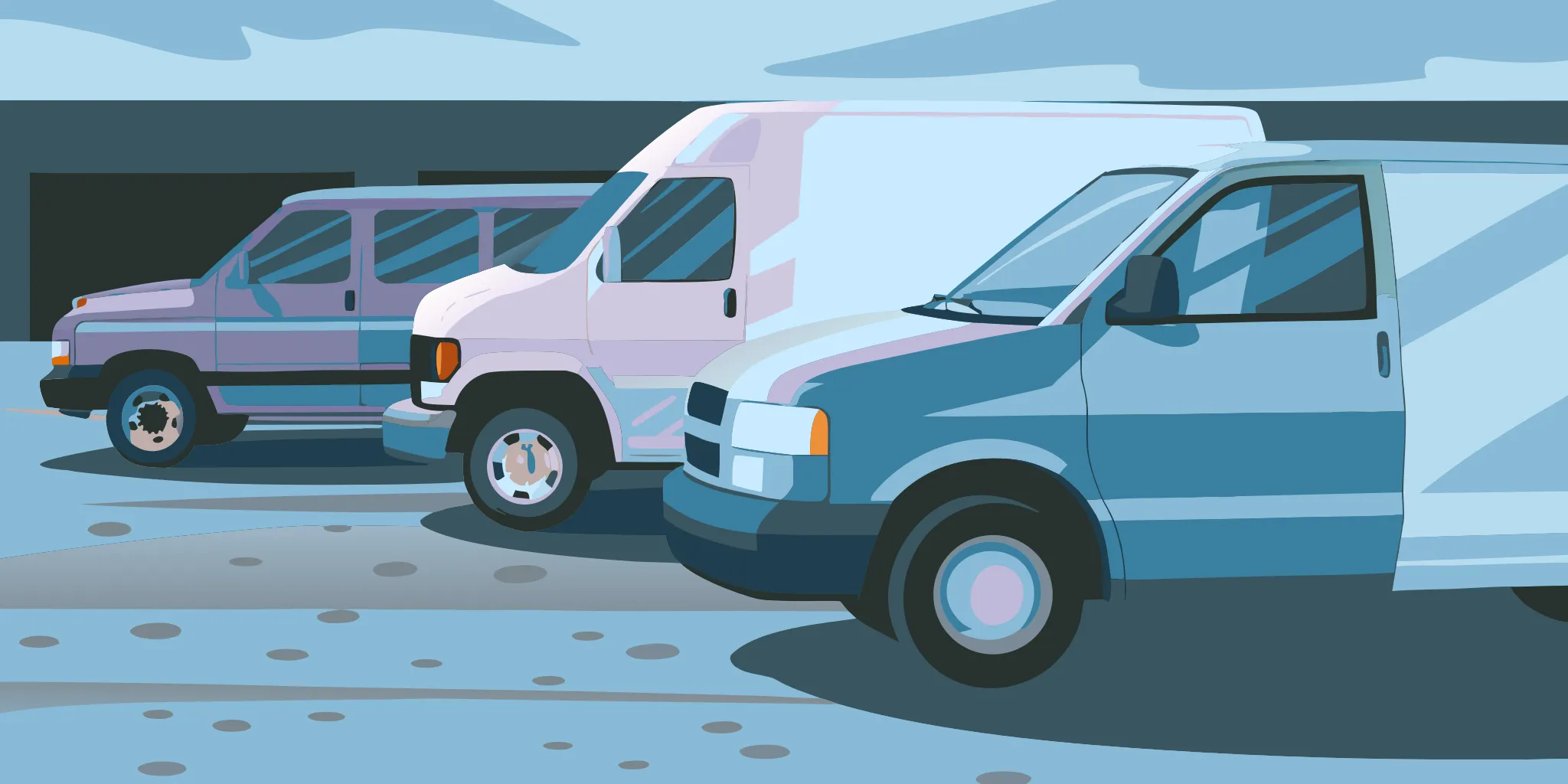
Coverage can also vary within one fleet. High-mileage vehicles on visible routes may merit fuller designs. Backup units or vehicles near replacement may need only basic graphics. A tiered plan keeps the fleet consistent. It also directs spending based on business value.
How do you build a defensible fleet wrap budget?
APM PrintWorks helps fleet managers build clear budgets with four cost groups. These are one-time setup, per-vehicle production, operating downtime, and future care. This format makes approvals clear and shows each assumption. It also lets teams model phased installs. They can keep design costs apart from the repeat cost of each new vehicle.
Begin with a fleet register. For every unit, record the year, make, model, and wheelbase or body length. Add body type, base color, current graphics, known damage, operating site, and replacement date. Photos of all sides can show clear exceptions. They should not replace an in-person review when paint or hardware causes doubt.
Next, divide the budget into four groups. First, setup covers discovery, creative work, brand-file prep, vehicle templates, proofs, and edits. Second, production covers print film, laminate, cutting, finish work, labels, and special parts. Third, install covers cleaning, removal, included disassembly, application, finish work, and quality checks. Fourth, operations covers delivery cleaning, transport, lost route capacity, spare vehicles, and staff work.
This split supports better planning. If the fleet grows, the team can estimate the added cost of a new unit. It does not need to buy the first design work again. If funding must come in phases, leaders can see which setup costs happen once. They can also see which production costs follow each install batch.
Use a weighted vehicle model
One average cost per vehicle is not sound for a mixed fleet. Instead, group units into repeat classes. These may include short vans, long vans, pickups, and box trucks. Give each class a planned coverage level and draft cost. Then multiply by unit count. Add separate funds for exceptions, removal, repairs, and risk.
A useful reserve is tied to known risk, not a random percent. A newer, uniform fleet with clean paint needs a smaller reserve. A mixed-age fleet with an unknown repair history needs more. Keep the reserve visible rather than hiding it in unit rates. This makes later budget review easier.
Price downtime as an operating cost
Install time can affect service capacity, overtime, rental needs, and route plans. Ask bidders for the estimated shop time by vehicle class. Also ask how many units they can process at once. Confirm needed cure or review time and the rules for late arrivals. Then plan install waves with dispatch or operations. A quote may save on production yet remove too many working vehicles at once. That is not a sound trade.
- Inventory and photograph every vehicle.
- Group units by repeatable vehicle class.
- Define coverage and message priorities for each class.
- Document condition, old-graphic removal, and hardware exceptions.
- Separate setup, production, installation, and operating costs.
- Model installation waves and replacement dates.
- Approve a controlled allowance for verified exceptions.
Ask APM PrintWorks to scope a phased fleet wrap budget.
How does fleet scale change cost and execution?
APM PrintWorks treats fleet scale as a systems task, not just a volume count. Large programs can gain speed from standard design files, repeat production, and planned install waves. They also need tighter asset records and color control. Clear proof approval and exception rules prevent costly errors.
Volume can improve speed, but buyers should not assume a fixed discount per vehicle. Savings depend on repeat work. Ten identical vans with the same coverage and clean surfaces offer one type of savings. Ten vehicles across six models with mixed paint create another task. Ask bidders to show where scale changes the work. Examples include shared setup, smart print layouts, repeat installs, or less travel.
The base is a fleet graphics standard. It should list approved colors, fonts, logo files, message order, contact details, placement rules, and coverage rules. It should note exceptions by vehicle class. It should also include approved proofs and print-ready files. This system makes a new vehicle or replacement panel easy to quote and copy. It avoids a new round of design choices.
Install order should protect operating capacity. Do not send units whenever it happens to be easy. Create waves based on route coverage, vehicle class, location, and shop capacity. Include a clear path for vehicles that arrive dirty or damaged. Use it when a vehicle differs from the fleet record. The goal is to stop one exception from delaying a full wave.
Scale also changes quality checks. A fleet program needs the same review rules for each vehicle. Confirm the vehicle, design version, contact details, color, alignment, edges, exclusions, and final inspection. A short signed list for each unit is useful. It is much better than rebuilding details after vehicles return to service.
What should an apples-to-apples wrap quote include?
APM PrintWorks recommends that every wrap quote define key parts of the job. These include design scope, exact coverage, film, surface prep, removal, install, schedule, warranty, exclusions, and change rules. When bidders price the same written scope, buyers can compare risk and value. They will not compare totals for different work.
Send the same request to every provider. Include the fleet register, sample photos, vehicle classes, coverage maps, brand needs, desired schedule, operating limits, and review rules. Ask bidders to state all assumptions. They should not silently price around missing details. A clear proposal should show what can add cost.
Require material and coverage specificity
The proposal should name the film and laminate. If not, it must clearly define the offered system and its expected use. It should list included and excluded surfaces. It should state whether edges are wrapped. It must also explain how the team will handle bare plastic, rivets, grooves, sensors, trim, and hardware. Require a visual coverage map for each vehicle class. It keeps the scope clear through staff changes and later additions.
Clarify design, proofing, and change control
Ask how many concepts and edit rounds are included. Confirm who owns final print files and how designs change across models. Set who can approve proofs. Explain how a change after approval affects price and time. A clear approval chain stops informal edits from reaching production. It also prevents reprint costs.
Document preparation and removal
Quotes should explain customer cleaning, provider cleaning, old-graphic removal, glue cleanup, and treatment of damage. Ask how the provider will handle hidden paint failure found during removal. If removal is priced after review, require the hourly rate. The quote may instead state the method used to price the change.
Evaluate schedule, warranty, and closeout
Require an estimated time by vehicle class, weekly output, shop needs, and new booking terms. Warranty terms should state what is covered and for how long. They should also state which use or care choices can affect coverage. Closeout should include approved designs, film details, install dates, vehicle sign-off, and care steps.
Score proposals with weighted rules before the final price review. Give a set weight to scope fit, operating plan, film fit, quality steps, warranty, and related work. Price then remains an important factor. It does not hide the risks in an incomplete offer.
How can fleets control lifetime wrap cost?
APM PrintWorks helps fleets control lifetime wrap cost through good asset records and proper cleaning. Planned checks, written repair steps, and replacement plans also help. The best savings come from stopping damage that can be avoided. When practical, reproduce only damaged panels. Match graphic life to each vehicle’s planned service life.
Measure value over the planned service period, not only at install. A vehicle due for replacement next year may need a different spec. A unit kept for several years may merit a longer-life option. A short-term system on a long-life vehicle can cause early replacement costs. It can also create uneven branding and more downtime.
Set a simple care policy that matches the chosen film and provider advice. Train drivers and wash teams to report lifting edges, impact damage, chemical contact, and pressure-wash problems early. Small issues are easier to review before dirt and water spread the damage. Record checks with the vehicle’s asset history. Do not rely on informal notes.
Design for easy repair. Keep key logos and messages away from likely impact zones when possible. Arrange artwork so the team can copy a damaged area as a defined panel. Keep approved print files, color records, film specs, and install records. These records help when a door is repaired or a side panel is damaged. They can prevent the need to rebuild the full design.
Plan removal before resale, rebranding, or a new vehicle role. The age and condition of both the graphics and paint can affect removal work. Add removal planning to the first lifetime cost model. This gives buyers a more honest total. It also helps operations plan the work before a vehicle must transfer or sell.
Vehicle graphics should also work with the rest of the group’s public look. Matching colors, type, and messages across fleet graphics and business signs build recall. They also reduce one-off design choices. APM PrintWorks can help Portland-area groups define a useful system. It can serve both current fleet needs and future additions.
Frequently Asked Questions
How much does a commercial vehicle wrap cost?
Commercial vehicle wrap cost depends on the vehicle, coverage, film, design scope, surface condition, and install needs. Those factors can vary a great deal. Buyers should request an inspected, itemized quote. A broad average may exclude removal, prep, downtime, or complex surfaces.
Is a partial wrap a good choice for a fleet?
A partial wrap can work well when it places the message on visible panels. It uses the factory paint as part of the design. It is useful for tiered fleet programs. Buyers should require clear coverage maps. They should also confirm that each change looks planned on every vehicle class.
How long should a fleet vehicle be out of service for wrapping?
Downtime varies with vehicle size, condition, removal needs, complexity, and the installer’s capacity. Ask for estimated shop time by vehicle class. Plan install waves with operations. Vehicles should arrive based on the provider’s prep rules. This helps prevent surprise cleaning or repair issues from delaying the plan.
What information is needed for an accurate fleet wrap quote?
Provide a fleet list with the year, make, model, body type, base color, and photos. Add current graphics, known damage, desired coverage, brand files, schedule, and operating limits. An in-person review can find paint problems, hardware, or removal work that photos may not show.
Contact APM PrintWorks to plan your commercial fleet graphics project.