
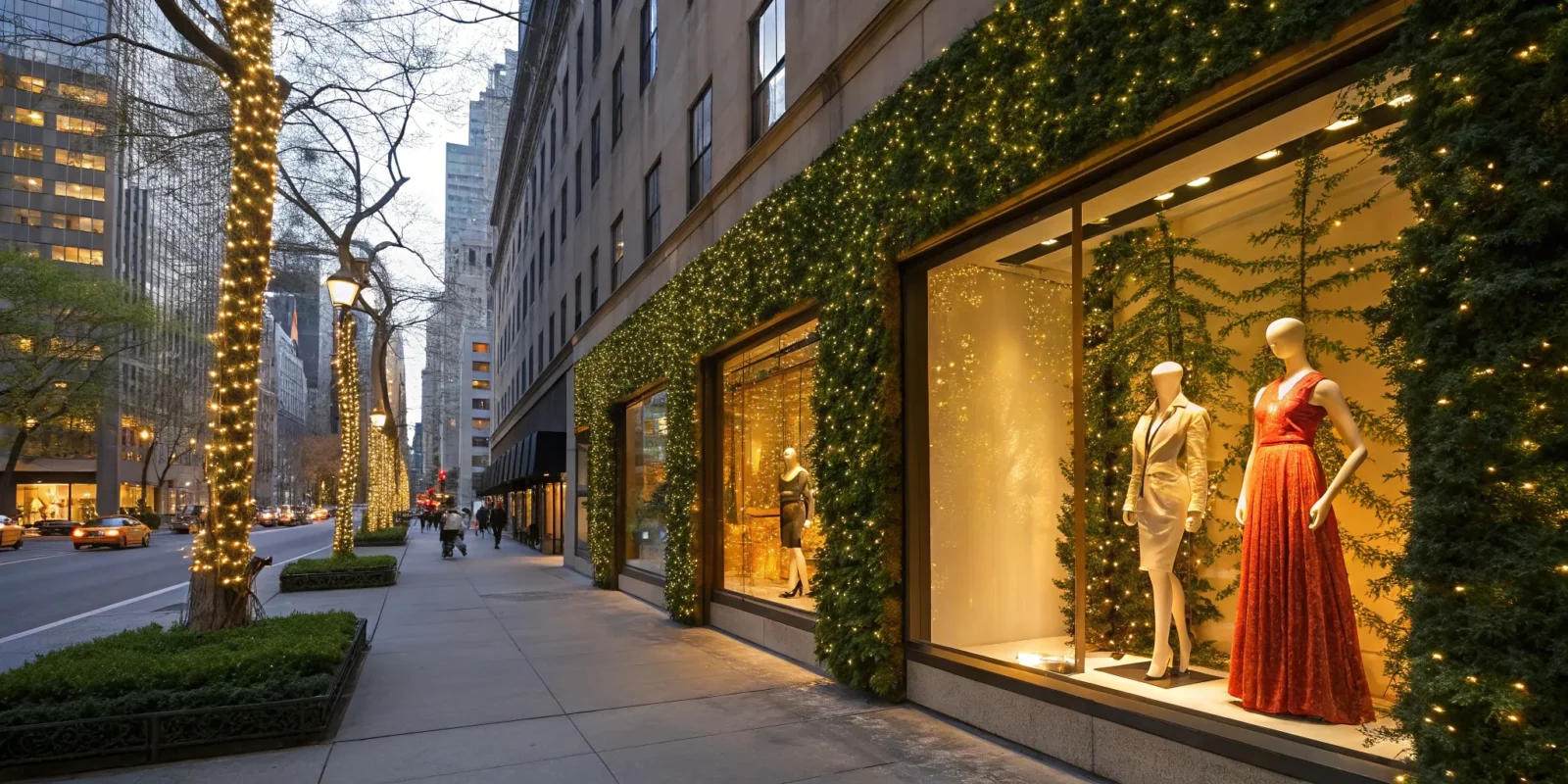
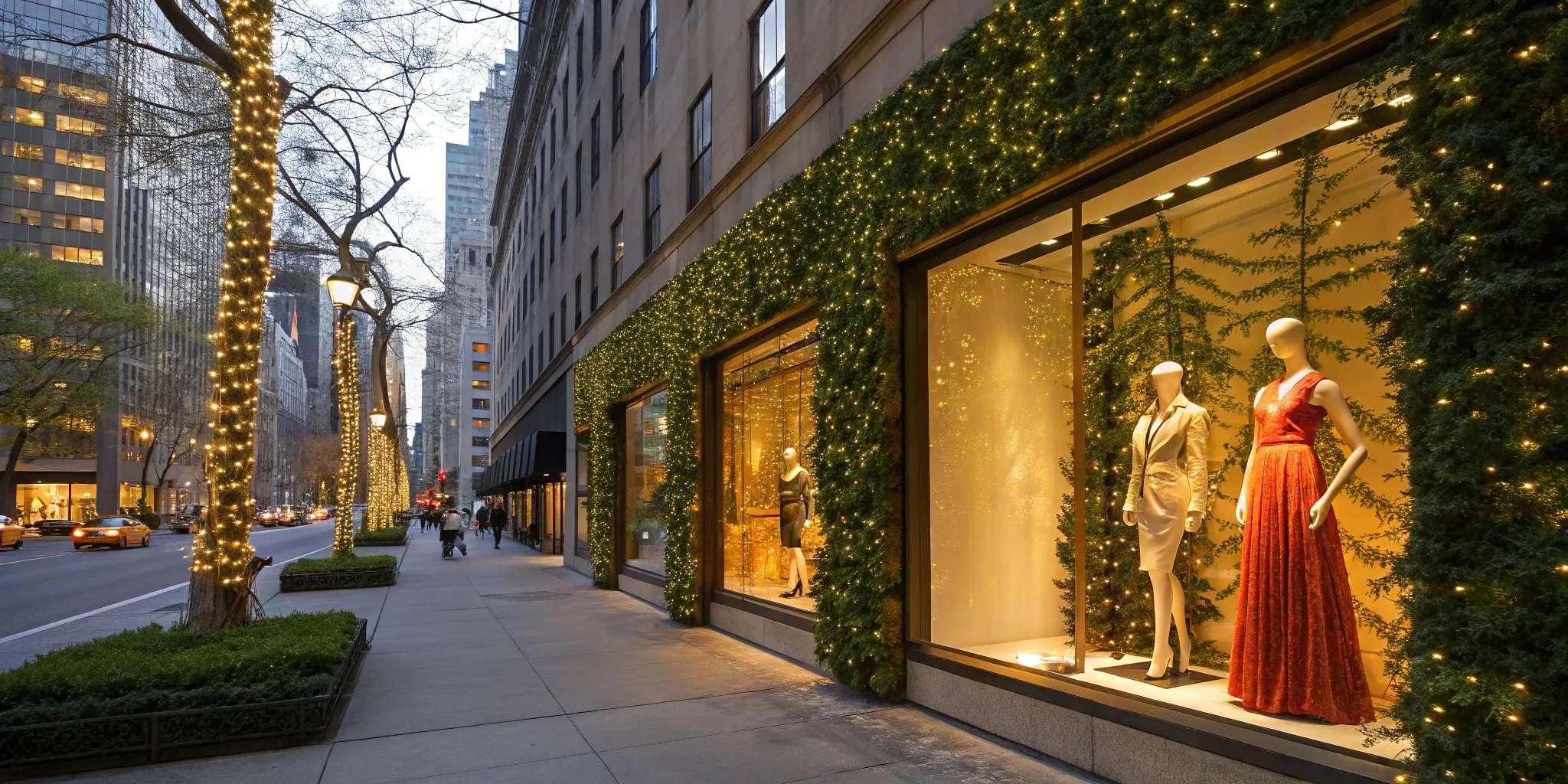
Think of your window display as the cover of a book. It needs to be compelling enough to make someone want to open it and see what’s inside. A cluttered or uninspired window is like a boring cover—people will just walk on by. But a display that tells a story, sparks curiosity, or creates an emotional connection acts as an irresistible invitation. It gives people a glimpse into the world you’ve created inside your store. This guide will show you how to become a master storyteller, using props, lighting, and professional graphics to build that narrative. We’ll cover a range of retail window display ideas to help you design a “cover” that no one can ignore.
Key Takeaways
- Build a Narrative to Draw People In: Your window display should tell a simple, visual story. Use a clear theme, intentional props, and the right colors to create a scene that sparks curiosity and makes an emotional connection with people walking by.
- Focus on Clarity and a Strong Focal Point: Avoid the temptation to overcrowd your space. Instead, highlight a single “hero” product or idea, use good lighting to create drama, and apply design rules like grouping in threes to make the entire display easy to understand at a glance.
- Plan Ahead and Track Your Results: A great display is part of a larger strategy. Map out your displays seasonally, keep them fresh, and measure their success by watching foot traffic and sales data to see what truly captures your audience’s attention.
What Makes a Window Display Work?
A great window display does more than just show off your products; it tells a story and invites people inside. It’s your store’s first impression, and making it a good one can be the difference between a passerby and a new customer. The secret is to blend a little bit of psychology with some solid design principles. When you get that mix right, you create a display that not only looks beautiful but also drives foot traffic and sales. It’s about creating a moment of connection that makes someone on a busy street stop and think, “I need to see what’s in there.”
Understand the Psychology of Window Shopping
Think of your window display as a visual handshake. It’s the very first connection someone has with your brand, and our brains are wired to process visual information—like colors, shapes, and light—in an instant. That first glance creates an immediate impression. In fact, research shows that a compelling window display is a major factor in whether someone decides to walk into a store. Your goal is to interrupt their daily routine and give them a reason to pause. A display that sparks curiosity or creates an emotional connection makes people want to learn more about what you offer.
Use Design Elements That Get Results
Effective displays make people stop and look. You can achieve this by using proven design elements to your advantage. Color is a powerful tool for setting a mood—think red for excitement or blue for a sense of calm. Lighting is just as crucial; using adjustable lights lets you control the brightness and highlight key products. The quality of your materials also matters. Crisp, vibrant advertising solutions like window clings or custom backdrops ensure your display looks professional and polished. By thoughtfully arranging these elements to create balance and movement, you guide the viewer’s eye and hold their attention for longer.
Get Inspired with Seasonal Window Display Ideas
Tuning your window displays to the seasons is one of the easiest ways to connect with shoppers and show that your store is current and relevant. A seasonal theme taps into the shared experience of the time of year, whether it’s the excitement of summer vacation or the cozy feeling of the holidays. It gives you a natural reason to refresh your storefront and feature different products. Planning your displays around the calendar helps you create a rhythm that customers can look forward to, building anticipation for what you’ll do next. From the fresh pastels of spring to the rich jewel tones of winter, each season offers a unique palette and mood to play with.
Fresh Ideas for Spring and Summer
When the sun comes out, your window display should feel just as bright and airy. Think about creating an open look that maximizes natural light and gives passersby a clear view into your store. You can use vibrant window graphics to add pops of color without blocking the view. Consider themes like garden parties, beach days, or local summer festivals to capture the spirit of the season.
To make your display more dynamic, try incorporating hanging or floating elements. Lightweight banners with floral prints, suspended props like paper lanterns, or even products hung at different heights can add depth and movement. This approach draws the eye upward and makes the entire space feel more engaging and alive, creating an inviting atmosphere that encourages people to step inside.
Cozy Themes for Fall and Winter
As the weather cools, your window display can become a warm and inviting retreat. Focus on creating a strong, cohesive theme that resonates with the season’s mood. Ideas like a harvest festival, a cozy reading nook, or a celebration of gratitude can guide your design choices and tell a clear story. Use rich textures like wood, flannel, and faux fur, paired with a warm color palette of oranges, reds, and deep browns.
This is the time for thoughtful layering. A beautifully printed backdrop can set the scene, while carefully placed props and products create a sense of comfort and abundance. Remember that a successful seasonal display requires careful planning to ensure it aligns with your brand and overall retail strategy. A well-executed theme will not only attract shoppers but also reinforce your brand’s identity.
Festive Displays for the Holidays
The holidays are your chance to create a truly magical experience. Go beyond simply placing products and aim to build an immersive scene. You can add depth by combining printed window graphics, like a snowy landscape on the glass, with a physical display of products and props set up just behind it. This layering technique creates a captivating, almost three-dimensional effect that makes people stop and look closer.
Consider adding interactive elements to make your display even more memorable. While you might not be able to offer product samples through the glass, you can use things like mirrors that reflect the festive streetlights or QR codes that link to a holiday gift guide. The goal is to create a sense of wonder and excitement that captures the holiday spirit and makes your store a must-visit destination.
Use Color and Lighting to Transform Your Display
Think of color and lighting as the dynamic duo of your window display. They work together to grab attention, set a mood, and make your products look their absolute best. A flat, poorly lit window with a clashing color scheme will get ignored, no matter how great your products are. But when you get the color and lighting right, you create an inviting scene that stops people in their tracks and makes them want to step inside. This is your first, and sometimes only, chance to make an impression on someone walking by, so making it visually compelling is key.
Getting these elements right doesn’t require a massive budget, just a bit of strategy. It’s about understanding how different hues affect people’s feelings and how a simple spotlight can create a sense of drama and importance. By mastering these two components, you can transform a simple product arrangement into a powerful statement that reflects your brand and entices customers. From vibrant backdrops to carefully placed lamps, every choice contributes to the overall story you’re telling. Let’s walk through how to use each one effectively to create a display that not only looks great but also drives foot traffic.
Choose Colors That Influence Shoppers
Color is a powerful, non-verbal way to communicate with potential customers. The right palette can instantly convey a feeling, whether it’s the excitement of a holiday sale or the calm, luxurious feel of a high-end brand. The principles of color psychology show that different shades can influence mood and behavior. For example, warm colors like red and orange can create a sense of urgency, while cool colors like blue and green often feel more trustworthy and serene. Choose a color scheme that not only aligns with your brand’s identity but also supports the specific message of your display. High-quality large format prints will ensure your chosen colors are vibrant and true to your vision, making the entire display pop.
Light Your Display for Maximum Impact
Great lighting does more than just make your display visible—it creates atmosphere and directs the shopper’s eye. Your goal is to create visual interest and highlight your most important products. You can achieve this by using a mix of lighting techniques. Start with general ambient light to illuminate the whole space, then add spotlights to create focal points on key items. Don’t be afraid to play with colored lighting to enhance your color scheme or create a specific mood. Good lighting makes your display look more professional and appealing, especially after dark. It can be the single most important factor in making your window stand out on a busy street.
Tell a Story with Your Window Display
Your window display is more than just a place to put your products; it’s a stage. Instead of simply arranging items, think about telling a story that stops people in their tracks. A great story creates an emotional connection, making your brand more memorable and inviting. When you present a narrative, you’re not just selling a product—you’re creating an immersive experience that sells a feeling or an idea. This approach turns passive window shoppers into curious potential customers who want to step inside and see what happens next.
A story gives context to your products and helps people imagine how they might fit into their own lives. Whether it’s a cozy winter scene that makes them crave a warm sweater or a vibrant summer setup that inspires a weekend adventure, a narrative-driven display captures the imagination. It’s one of the most powerful ways to communicate your brand’s personality without saying a word. Think of your window as the cover of a book; you want to give people just enough of a glimpse to make them want to open it and read more. The key is to build a world within that glass box, using a clear plot and the right props to bring your brand’s story to life.
Create a Compelling Narrative
Every good story has a beginning, a middle, and an end. Your window display can follow the same structure. Start by deciding on the core message or emotion you want to convey. Are you telling a story of transformation, celebration, or quiet comfort? Your narrative should be simple enough to be understood at a glance. For example, a fitness apparel store could create a scene showing the journey from the couch to the finish line, using mannequins and props to mark the progression.
This is where your advertising and media solutions can play a huge role. A custom-printed backdrop can establish the setting instantly, while smaller signs or decals can act as “chapters” in your story. The goal is to create an experience that makes people feel something. When you focus on a compelling narrative, your display becomes more than just an advertisement; it becomes a point of connection.
Use Props and Themes to Share Your Brand’s Story
Once you have your narrative, it’s time to bring it to life with props and a cohesive theme. These are the details that make your story believable and engaging. Think beyond just your products. What other items can help set the scene? A bakery telling a story about a family celebration could use vintage cake stands, party hats, and a beautifully set table. The theme ties everything together, from the color palette to the style of the props.
Use large format printing to create stunning, story-driven backdrops, custom floor graphics, or life-sized cutouts that add depth and context. For instance, a display with a “day at the beach” theme could feature a sand-and-sky backdrop and vinyl decals of seagulls on the glass. Don’t be afraid to get creative and use unexpected materials. The right props and theme will make your products the heroes of a story customers want to be a part of.
Avoid These Common Window Display Mistakes
You’ve brainstormed a fantastic concept, gathered your materials, and are ready to build a window display that stops people in their tracks. That’s great! But before you start, it’s helpful to know about a few common pitfalls that can prevent even the most creative ideas from connecting with customers. Getting your display right means paying attention to the details that separate a good window from a great one.
Think of your window as the cover of your book—it needs to be compelling enough to make someone want to see what’s inside. From clutter to poor lighting, small mistakes can accidentally send the wrong message or make your display easy to ignore. The good news is that these issues are easy to avoid once you know what to look for. By focusing on clarity, visibility, and consistency, you can ensure your hard work translates into more foot traffic and a stronger brand presence. A well-executed display, supported by professional large format printing for backdrops and signs, will make your storefront a landmark.
Don’t Overcrowd Your Space
It’s tempting to showcase as many of your amazing products as possible, but cluttering your window can overwhelm passersby. When a display is too busy, it’s hard for the eye to find a place to rest, and your key message gets lost in the noise. A clean, organized display allows for better focus and helps you highlight the products you really want to feature. Instead of filling every inch of space, choose a single theme or one “hero” product to be the star of the show. This minimalist approach creates a more high-end feel and makes your display much easier for people to understand at a glance.
Fix Poor Lighting and Visibility
Great lighting does more than just make your display visible at night; it creates a mood and directs attention. Poor lighting can make even the most beautiful products look dull and unappealing. Use spotlights to highlight your focal points and create a sense of drama. It’s also a good idea to check how your display looks at different times of the day and night to make sure it’s always visible and attractive. Don’t forget the basics, either—keep your windows sparkling clean and ensure that posters or decals don’t block the view of your carefully arranged products.
Keep Your Brand Message Consistent
Your window display is often the first interaction a potential customer has with your brand, so it needs to align with the experience they’ll have inside. Inconsistent branding can confuse shoppers and weaken your message. Make sure your display reflects your brand’s identity through a consistent use of colors, fonts, and overall tone. If your brand is playful and modern, your window should be, too. This creates a cohesive journey for the customer, from the sidewalk to the checkout counter, and reinforces what your business is all about. Your display is a key part of your overall advertising and media solutions.
Add Interactive and Tech-Savvy Elements
A static window display can be beautiful, but one that moves, interacts, and connects with passersby is unforgettable. Adding a touch of technology to your window doesn’t have to be complicated or expensive. It’s about creating a dynamic experience that stops people in their tracks and invites them to engage with your brand on a deeper level. Think of your window as more than just a display case; see it as the start of a conversation.
From simple QR codes that link to your online store to digital screens showing off your latest products in action, modern elements can transform your storefront. These additions not only capture attention but also provide valuable information and create a seamless bridge between your physical shop and your digital presence. By incorporating interactive features, you give potential customers a reason to pause, look closer, and remember you long after they’ve walked away.
Integrate Digital Screens and QR Codes
Digital screens are a fantastic way to bring life to your window, allowing you to showcase videos, animations, or a rotating gallery of images that a static poster just can’t match. But you don’t need a huge budget to get interactive. One of the simplest and most effective tools is the QR code. By adding a QR code to your window graphics, you can instantly direct shoppers to a specific product page, a sign-up form for your newsletter, or a special landing page with an exclusive discount. This simple scan creates a direct path to purchase and helps you build a marketing list of interested customers, even when your store is closed.
Create Motion to Catch the Eye
Our eyes are naturally drawn to movement, and you can use this instinct to your advantage. Adding motion to your display is a surefire way to get noticed on a busy street. This can be as high-tech as a video playing on a loop or as simple as a small, hidden fan making ribbons or fabric gently flutter. Consider using a rotating pedestal to show off a product from all angles or hanging lightweight props that can spin and move in the air. The goal is to break the stillness of the streetscape and create a dynamic focal point that makes people curious enough to stop and see what’s going on.
Choose Sustainable and Eco-Friendly Materials
Today’s shoppers care about a brand’s values, and using sustainable materials in your window display is a powerful way to show you care, too. This choice can strengthen your brand image and attract customers who prioritize environmental responsibility. Instead of traditional materials, consider using reclaimed wood, recycled paper for signage, or props made from biodegradable elements. You can even design a display around living plants. Choosing sustainable retail practices not only benefits the planet but also tells a compelling story about your brand’s commitment to making a positive impact.
Arrange Your Products to Maximize Sales
Once you have your theme and your key pieces, the next step is arranging them in a way that encourages people to stop and look. The layout of your window display is a silent salesperson, guiding a potential customer’s eyes from one product to the next and making your items look as appealing as possible. A thoughtful arrangement can turn a simple product showcase into an inviting scene that tells a story and highlights the quality of your goods.
Think of your window as a stage. Every item should have a purpose and a place. The goal is to create a composition that feels both intentional and effortless, drawing people in without overwhelming them. By using a few classic design principles, you can arrange your products to not only catch the eye but also drive foot traffic and sales. From creating a clear centerpiece to balancing the overall scene, these strategies will help you build a display that works.
Apply the “Rule of Three”
Have you ever noticed that things often look better in odd numbers? There’s a design principle for that, and it’s called the “Rule of Three.” The idea is that items grouped in threes are more visually appealing and memorable to the human brain. An arrangement of three creates a sense of harmony and balance that a symmetrical group of two or four just can’t replicate.
You can apply this rule in several ways. Try grouping three related products together, like a set of candles with different scents. You can also use three different heights to create a dynamic pyramid shape that guides the eye upward. For example, place one item on the floor, another on a short pedestal, and a third on a taller one. This simple technique can help create a display that feels complete and professionally designed.
Create a Clear Focal Point
Every great window display needs a hero. A clear focal point is the first thing that catches a shopper’s eye, acting as an anchor for the rest of your display. Without one, your window can look cluttered and confusing, leaving people unsure of where to look. Your focal point should be the most important part of your display—whether it’s your newest product, a bestseller, or a large, vibrant graphic that announces a sale.
To make your focal point stand out, use contrast, scale, or lighting. You could place your star product on a pedestal or illuminate it with a dedicated spotlight. Another great option is to use a bold custom banner as a backdrop to draw attention directly to the item you want to feature. A well-defined focal point not only grabs attention but also guides the viewer’s eye through the rest of your arrangement.
Balance Your Visual Elements
Balance is key to creating a window display that feels cohesive and inviting. This doesn’t mean everything has to be perfectly symmetrical. Instead, think about visual weight. A large, dark object on one side can be balanced by a few smaller, brightly colored items on the other. The goal is to create a scene where no single area feels too heavy or too empty, allowing the eye to move smoothly across the entire display.
Achieve balance by playing with color, size, and placement. Distribute bold colors throughout the display instead of clumping them in one spot. Mix large statement pieces with smaller accent items to create depth and interest. Lighting is also a crucial tool for creating balance, as it can highlight specific products and set a mood. A well-balanced display feels polished and professional, making your products look even more desirable.
Know When to Change Your Window Display
One of the most common questions I hear is, “How often should I change my window display?” The honest answer is: it depends. A display that stays up for too long becomes invisible to regular passersby, but changing it too frequently can be a drain on your time and budget. The sweet spot is a rhythm that keeps your storefront looking fresh and relevant.
Think of your window as a dynamic part of your marketing strategy. Its timing should align with the seasons, your promotional calendar, and your overall business goals. Finding that perfect schedule involves a mix of long-term planning and the flexibility to react to new opportunities. Let’s walk through the key moments when you should be thinking about a refresh.
Plan Your Seasonal Rotations
Creating a captivating seasonal window display takes thoughtful planning and execution, so it’s best to work well in advance. A great seasonal display connects with what your customers are already thinking about, whether it’s spring cleaning, back-to-school shopping, or cozying up for winter. Start mapping out your year and plan your major seasonal themes at least three to four months ahead. This gives you plenty of time to source props and design stunning large format backdrops without the last-minute scramble. By planning ahead, you ensure your display is ready to launch right as the season kicks off, capturing shoppers’ attention immediately.
Update Your Display for Special Events
Beyond the four seasons, your calendar is likely filled with holidays and local events that present perfect opportunities for a window refresh. Whether it’s Valentine’s Day, a local Portland street fair, or a city-wide festival, a timely display shows your business is current and connected to the community. The key to a strong event-based display is clarity. Choose one main theme for each setup—like celebration, community, or gratitude—to effectively engage customers. These displays don’t have to be complicated, but they should be intentional. Use your window to highlight relevant products or promotions with custom advertising and media solutions that tie directly into the event.
Consider Other Factors for Timing
Sometimes, the best time for a change has nothing to do with the calendar. Regularly updating your window displays simply keeps your store looking fresh and inviting. A good rule of thumb is to refresh your display at least every one to two months, even if it’s a small change. Other great reasons to switch things up include launching a new product line, announcing a major sale, or simply wanting to feature a different aspect of your brand. If you notice foot traffic has slowed, a new window display can be just the thing to pique curiosity and draw people back inside. Even swapping out a few key props or updating your signage can make a huge difference.
Create a Great Display on a Small Budget
You don’t need a Hollywood-sized budget to create a window display that stops people in their tracks. In fact, some of the most memorable displays are born from clever creativity, not a huge pile of cash. With a little ingenuity and a focus on resourcefulness, you can design a stunning window that captures your brand’s personality and draws customers inside.
Think of it as a fun challenge: how can you make the biggest impact with the smartest investment? It often comes down to focusing on a few key areas. Instead of trying to do everything, concentrate on crafting unique props, repurposing everyday materials, and using simple lighting to create a professional and inviting scene. A well-placed banner or a few thoughtfully arranged items can be far more effective than a cluttered, expensive display. By being strategic, you can create a high-end look for less and prove that great design is all about imagination.
Make Your Own Props and Elements
One of the best ways to save money and create a one-of-a-kind display is by making your own props. You can craft compelling elements from simple materials like cardboard, foam core, paint, and fabric. Creating impactful window displays is all about making your store stand out, and DIY props add a personal touch that can’t be bought. For a polished backdrop that ties everything together, consider a custom-printed graphic or banner. Our large format printing services can create a professional-looking foundation for your handmade elements, giving you the best of both worlds.
Repurpose Materials for a Creative Twist
Look around your stock room, your home, or even local thrift stores for items you can repurpose. Old wooden crates, vintage furniture, pallets, and even stacks of books can be used to add height, texture, and interest to your display. This approach is not only budget-friendly but also sustainable. As more brands embrace sustainable options, using repurposed materials shows that your business is both creative and conscious. Think about how you can transform an everyday object into a key part of your display’s story.
Find Cost-Effective Lighting Options
Never underestimate the power of good lighting. The right light can completely transform your window display, making colors pop and creating an inviting atmosphere. As experts from Shopify note, “lighting creates moods” and can make a simple setup look dramatic and high-end. You don’t need a complex, professional rig to achieve this. Affordable LED strips are perfect for outlining your window or backlighting products. A few well-placed spotlights can create a focal point, and even simple string lights can add a touch of warmth and magic. Experiment with different angles and colors to see what best highlights your products.
How to Measure Your Display’s Success
You’ve designed a stunning window display, and it looks fantastic. But is it actually bringing in more business? Answering that question is the key to refining your strategy and making sure your efforts are paying off. Measuring the success of your display doesn’t have to be complicated. It’s about paying attention to a few key signals that tell you what’s working and what isn’t.
By tracking a few simple metrics, you can move from guessing to knowing. You’ll learn which colors grab the most attention, what product arrangements lead to sales, and how often you should be refreshing your look. Think of it as a conversation with your customers—your display is the opening line, and their actions are the response. The two most straightforward ways to listen to that response are by analyzing foot traffic and sales data and by tracking specific Key Performance Indicators (KPIs). These methods give you concrete data to guide your future designs, ensuring every large format print and prop serves a purpose.
Analyze Foot Traffic and Sales Data
One of the most direct ways to see if your new window display is working is to simply count the number of people who walk into your store. You can do this manually with a clicker for a few hours each day or use a digital door counter for more consistent data. Compare the traffic from the week before you installed the display to the week after. A noticeable increase is a great sign that your design is successfully drawing people in.
Beyond just foot traffic, look at your sales data. Are you selling more of the specific products featured in the window? Did your overall sales increase during the period the display was up? Connecting a spike in sales for a featured item to your new display provides a clear return on your investment.
Track Key Performance Indicators (KPIs)
To get a more detailed picture, you can track a few Key Performance Indicators, or KPIs. A crucial one is your conversion rate—the percentage of people who enter your store and make a purchase. If your foot traffic is up but your conversion rate is down, your display might be attracting attention without encouraging sales. This could signal a disconnect between your window and your in-store experience.
Research shows that effective window displays positively influence consumer decisions and encourage store entry. By tracking these metrics, you can confirm your display is a valuable part of your advertising and media solutions. While some consultants use advanced tools to track eye movements, simply monitoring your traffic and conversion rates will give you the essential insights you need to create even better displays next time.
Related Articles
- Window Graphics | Printworks | We’ve got you covered!
- Wall Displays | Printworks | We’ve got you covered!
- Wallpaper | Printworks | We’ve got you covered!
- POP-UP DISPLAYS | Printworks | We’ve got you covered!
- How to Order | Printworks | We’ve got you covered!
Frequently Asked Questions
How often should I really change my window display? A good rule of thumb is to refresh your display every one to two months to keep your storefront from becoming part of the background. At a minimum, you should plan for the four major seasons. Also, keep an eye on the local calendar for Portland-area events or holidays that give you a great reason to create a timely and relevant display.
What’s the single most important thing to focus on if I’m on a tight budget? If you can only invest in one area, make it lighting. Good lighting can make even the simplest props look high-end and professional. A few strategically placed spotlights can create a dramatic focal point, highlight your best products, and set an inviting mood that draws people in, especially after dark.
My window space is tiny. How can I make it stand out? A small window is a great opportunity to create a focused, powerful statement. Instead of trying to fit too much, choose one single “hero” product and build a simple scene around it. You can create the illusion of more space by using a vibrant backdrop or window graphic, which adds color and depth without taking up any physical room.
How do I tell a story if I don’t have a lot of props or a big theme? A story doesn’t need to be a huge production; it just needs to create a feeling. You can tell a simple story by creating a relatable moment. For instance, a display with a single raincoat, a pair of boots, and a colorful umbrella tells a clear story about being prepared for a rainy day. It’s about arranging products in a way that helps people imagine them in their own lives.
What’s the easiest way to know if my display is actually working? The most direct way is to pay attention to your foot traffic and sales. Notice if more people are coming into your store right after you launch a new display. Then, look at your sales reports to see if you’re selling more of the specific products featured in the window. A clear increase in both is the best sign that your design is a success.