When your business needs to make a big impression, ordering printed materials can feel like a slow, rigid process. You need to plan far in advance, commit to large quantities, and hope the final product is perfect. But what if you need to be more agile? What if you want to test a new marketing message on a banner or need custom safety signage for a new project right away? A print on demand and fulfillment model offers the flexibility modern businesses require. It allows you to order high-quality, custom printed items in any quantity, whenever you need them, freeing you to focus on running your business instead of managing inventory.
Key Takeaways
- Sell custom products without the upfront cost: Print on demand is a fulfillment model that removes the financial risk of buying inventory. You can offer a wide range of custom items, from large-format banners to advertising materials, and only pay for them after you’ve made a sale.
- A strong brand and niche are your keys to success: The low barrier to entry means the market is crowded. To stand out, you must define a specific target audience and build a memorable brand identity through unique designs and consistent messaging, rather than just competing on price.
- Outsource production and focus on growth: By partnering with a print provider, you delegate the logistics of printing, packaging, and shipping. This frees you up to concentrate on the activities that actually grow your business: creating compelling designs, marketing your products, and building customer relationships.
What is Print on Demand?
Print on demand (POD) is a fulfillment model where you sell custom-designed products without ever holding inventory. Think of it this way: instead of ordering a large batch of banners or vehicle wraps and hoping they sell, you create a design, list it for sale, and only pay for the product after a customer places an order. Your print on demand partner then handles the printing, packaging, and shipping directly to your customer.
This approach completely changes the game for businesses that want to offer custom products. It removes the biggest hurdle of traditional retail—the upfront cost of buying inventory. You don’t have to guess which designs will be popular or tie up your cash in products that might not sell. This makes print on demand an incredibly low-risk way to test new product ideas, expand your offerings, or even start a business from scratch. You can focus on creating great designs and marketing your brand, while the logistics are handled for you. It gives you the freedom to experiment with a wide range of products, from custom safety signage for construction sites to branded advertising materials for a marketing campaign, all without the financial commitment of a bulk order.
How the Print on Demand Process Works
The print on demand process is straightforward and mostly automated. It starts with your creativity and ends with a happy customer receiving their product. Here’s how it typically unfolds: you create a design and upload it to a product in your provider’s catalog, like a custom sign or banner. You then list that product for sale on your own website. When a customer makes a purchase, the order is automatically sent to your print provider. They print your design on the product, package it up, and ship the order directly to your customer, often with your branding on the packaging. This seamless integration means you don’t have to worry about the manual work of processing orders or arranging deliveries.
Print on Demand vs. Traditional Printing: What’s the Difference?
The main difference between print on demand and traditional printing comes down to inventory and risk. With traditional printing, you’re required to order products in bulk. This means you have to invest a significant amount of money upfront and manage all that inventory yourself. If the products don’t sell, you’re left with unsold stock. Print on demand flips this model on its head. Since products are only created after a customer buys them, there’s no need to invest in inventory. This eliminates the financial risk of bulk orders and the headache of storage, making it a much more flexible and accessible option for businesses of all sizes.
Why is Print on Demand a Low-Risk Way to Start a Business?
Starting a business that sells physical products often feels like a huge gamble. You have to invest in inventory, find a place to store it, and hope that customers buy what you’ve created. It’s a model loaded with upfront costs and financial risk. Print on demand completely changes the game. It’s a fulfillment method that lets you create and sell custom products—from large-format banners to unique advertising materials—without the headaches of managing inventory.
With this model, products are only created after an order is placed, meaning you never have to pay for something until you’ve already made a sale. This approach is perfect for anyone looking to test a new business idea, expand their product line, or create branded materials without taking on a ton of financial risk. You can focus on what you do best—creating great designs and connecting with your customers—while your POD partner handles the production and shipping. It’s a streamlined, low-risk way to get your ideas out into the world and build a brand from the ground up. This model removes the traditional barriers to entry, making it possible for more creators and entrepreneurs to bring their visions to life.
Start Selling Without Buying Inventory
The biggest hurdle for many aspiring business owners is inventory. With a traditional model, you have to guess what will sell, buy it in bulk, and hope for the best. Print on demand is a fulfillment model that allows you to sell custom products without ever stocking inventory. Instead of producing items ahead of time, you only pay for them after a customer makes a purchase. This means you can offer a wide variety of designs on products like custom banners or safety signs without tying up your cash in physical stock. It gives you the freedom to experiment and find what your audience loves.
Keep Your Financial Risk Low
Because you don’t have to buy products upfront, print on demand is a business with minimal financial risk. You can get started without a huge initial investment. There’s no need to purchase a large quantity of products or worry about where to store them. As Printful notes, products are only made after a customer buys them, so you don’t have to manage inventory yourself. This low barrier to entry makes it an ideal way for new entrepreneurs to test the waters or for established businesses to launch a new line of branded materials without a major financial commitment.
Automate Your Fulfillment and Scale Your Business
Beyond the financial benefits, print on demand simplifies your operations. Once a customer places an order, your POD partner takes over. They handle the printing, packaging, and shipping directly to your customer, so you don’t have to deal with logistics. This frees you up to focus on growing your business through marketing, design, and customer engagement. This automated process also makes it incredibly easy to scale your business. Whether you sell ten items or a thousand, the fulfillment process remains the same, allowing your business to grow without the operational pains of managing shipping and storage yourself.
Who Are the Best Print on Demand Providers?
Choosing the right print on demand partner is a huge step, and the “best” one really depends on what you’re selling. Are you focused on large-scale signage for your storefront or creating a line of custom merchandise to sell online? Different providers specialize in different areas, so it’s smart to know your options. Some connect you with a vast network of printers, while others are the printers themselves. Let’s look at a few top contenders and what they do best, so you can find the perfect fit for your business goals.
APM Printworks for Large Format Solutions
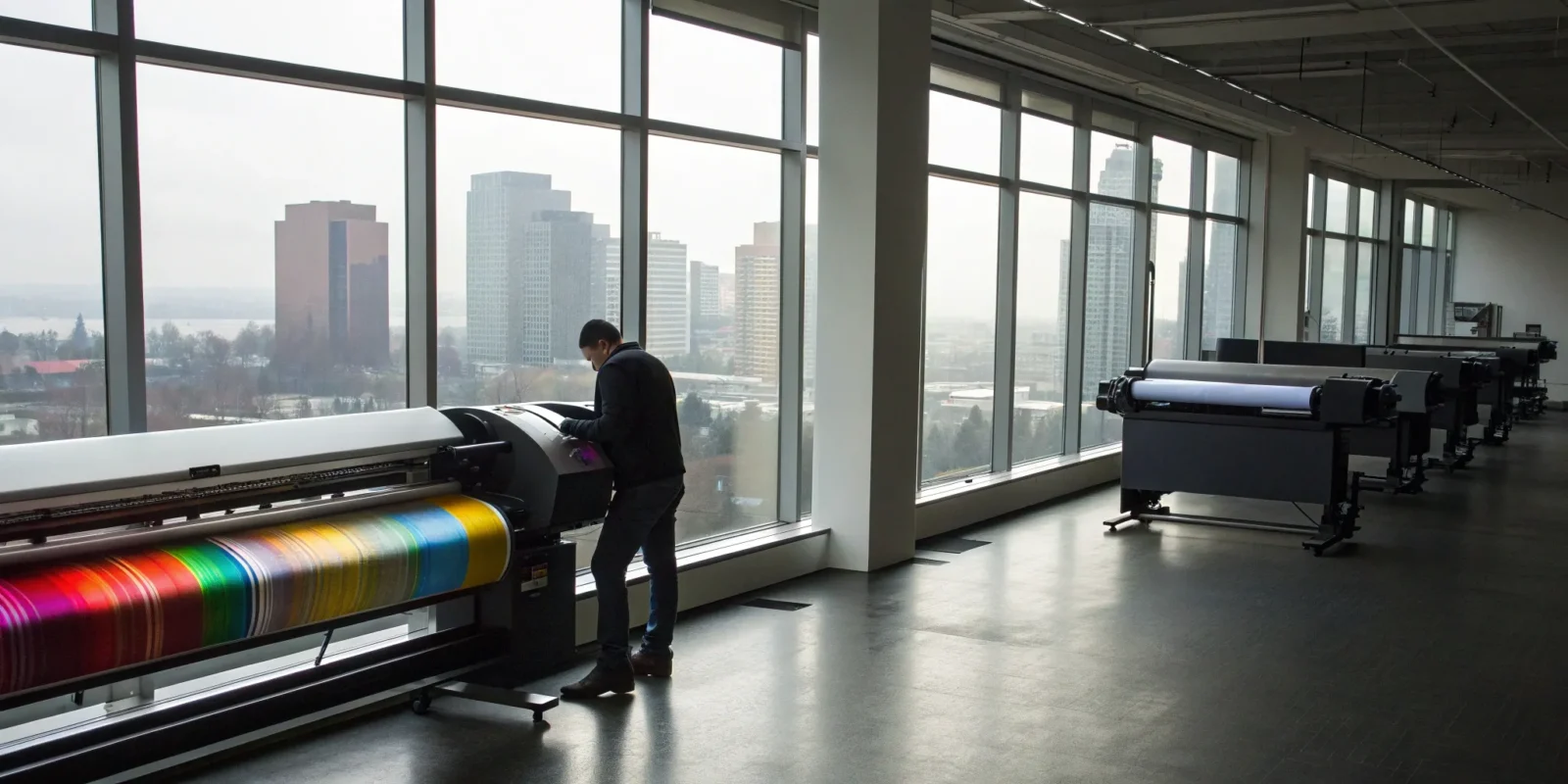
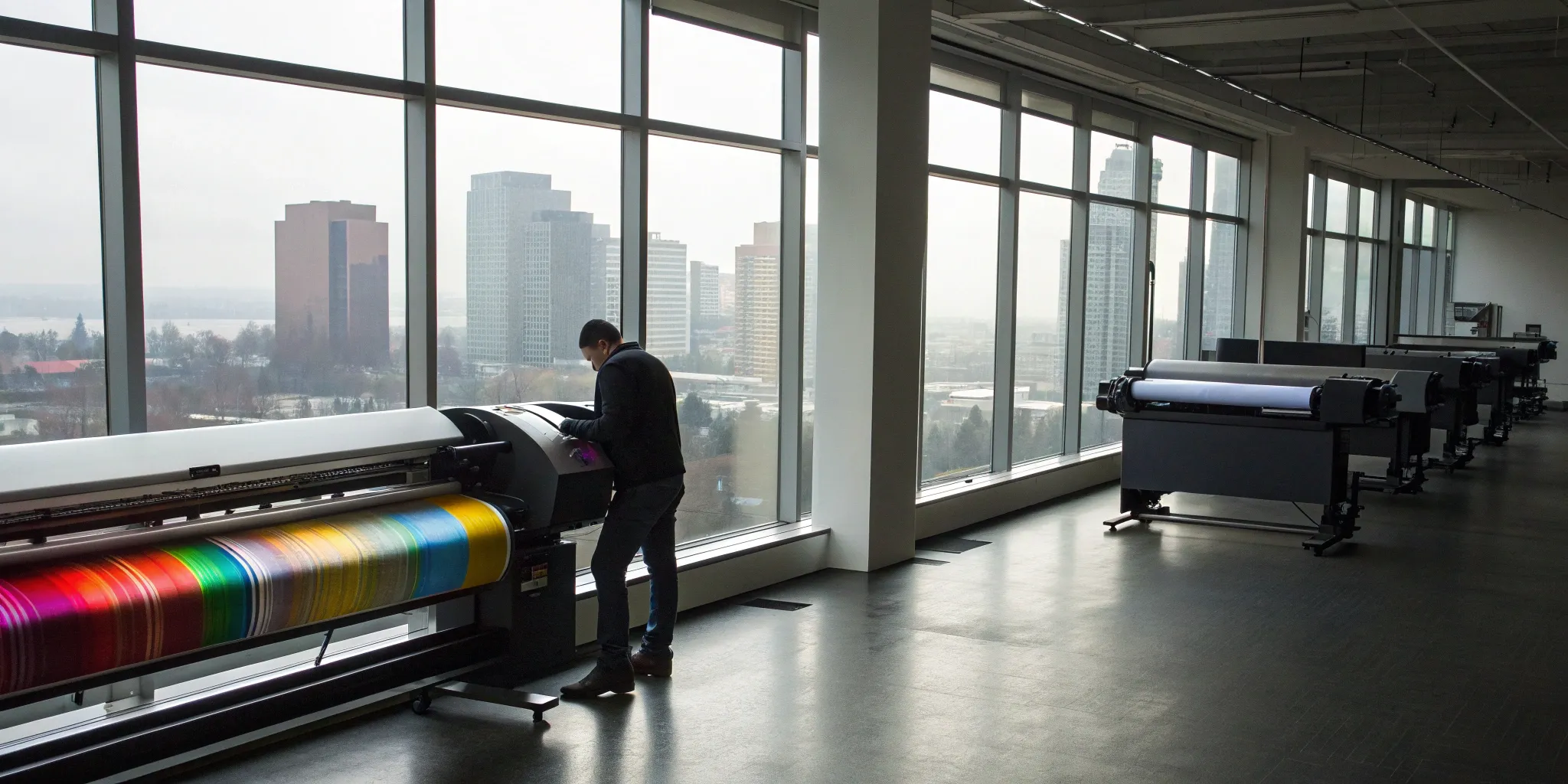
If your business needs to make a big impression, APM Printworks is your local expert. They specialize in large format printing solutions, making them the ideal partner for businesses that require high-quality prints for banners, signage, vehicle wraps, and other large-scale applications. Working with a local provider like APM Printworks means you get hands-on service and fast turnarounds right here in the Portland area. It’s perfect for when you need to see the quality for yourself and want to support a community business while getting your brand seen in a big way.
Printful for Product Variety and Integrations
For entrepreneurs looking to sell a wide range of custom products online, Printful is a fantastic all-in-one solution. You can put your designs on over 468 different items, from apparel to home goods. What makes Printful so powerful is how easily it connects with major online store platforms like Shopify, Etsy, and WooCommerce. This integration automates your workflow, so when a customer places an order on your site, Printful handles the printing and shipping directly to them. It’s a great way to offer a diverse product line without managing any inventory yourself.
Printify for Competitive Pricing
If you’re focused on maximizing your profit margins, Printify is designed to help you do just that. Their platform connects you to a large network of print providers around the world, allowing you to compare prices and choose the most cost-effective option for each product. It’s free to sign up and use, and you only pay for a product after a customer buys it from your store. This model lets you experiment with different products and designs with very little financial commitment, making it a smart choice for businesses that are just starting out or want to keep their overhead low.
Merchize for User-Friendly Customization
When you want a straightforward and easy-to-use platform to get your ideas off the ground, Merchize is a strong contender. They offer a simple design process and handle all the printing and shipping for you. With nearly 1,000 different products available for customization—including apparel, home decor, and accessories—you have plenty of options to bring your brand to life. Their focus on a user-friendly experience makes it simple to create and sell custom products, even if you don’t have a lot of technical or design experience.
How to Price Your Products and Make a Profit
Figuring out how to price your products can feel like one of the biggest hurdles when you’re starting out. You want to be competitive, but you also need to be profitable. The good news is that with a print-on-demand model, the math is much simpler because you don’t have to worry about unsold inventory. Your goal is to find the sweet spot where your price covers all your costs, leaves you with a healthy profit, and still feels like a great deal for your customer.
Pricing isn’t just about covering expenses; it’s a reflection of your brand’s value. Are you selling premium, artist-designed wall art or fun, quirky banners for events? The answer will influence your pricing strategy. Before you set any numbers, think about your target audience and what they’re willing to pay. Researching similar products can give you a baseline, but your unique designs and brand story are what will ultimately justify your price point. Don’t fall into the trap of just trying to be the cheapest option. Customers are often willing to pay more for quality, creativity, and a brand they connect with. Remember, the right price makes your business sustainable and allows you to keep creating.
What Are the Costs Involved?
One of the best parts of the print-on-demand model is its low financial risk. You don’t have to buy a lot of products upfront or handle shipping yourself. In fact, you only pay for a product after a customer buys it from your store. This means your primary costs are straightforward: the base price of the item from your printing partner and the shipping fees. These two expenses make up your “cost of goods sold,” or COGS. Beyond that, consider other business expenses like your ecommerce platform subscription, marketing costs, and any design software you use. Tallying these up gives you a clear picture of what you need to earn to be profitable.
How to Set Your Retail Prices
Once you know your costs, you can set your retail prices. A simple starting point is the cost-plus pricing model: take your total COGS and add your desired profit on top. The key is to make sure your prices cover your costs and leave you with money left over. It’s also smart to look at what competitors are charging, not to copy them, but to understand the market. You can create more value and charge a higher price if you focus on a specific type of product or audience that you know will be interested in your designs. For example, high-quality, custom vehicle wraps for local businesses can command a much higher price than generic items.
How to Calculate Your Profit Margins
Your profit margin is the percentage of revenue you keep after costs. To calculate it, subtract your COGS from your retail price, then divide that number by the retail price. For example, if you sell a banner for $50 and your COGS is $30, your profit is $20. Your profit margin is 40% ($20 ÷ $50). You can set your retail prices based on the cost of production and desired profit margin. Aiming for a margin between 30% and 50% is a healthy goal for many print-on-demand businesses. Before you commit to a product, it’s always a good idea to order samples to check their quality. High-quality products justify better prices and lead to happier customers.
What Are the Best Products to Sell?
Once you’ve chosen a provider, the next big question is what to sell. The beauty of print on demand is the sheer variety of products you can offer without ever touching the inventory yourself. The best products for your store will depend on your niche and target audience, but a few categories consistently perform well. Think about who you’re trying to reach. Are you selling to individuals who want to express their personality, or are you targeting other businesses that need materials for their own operations?
Many successful print-on-demand businesses start by focusing on one or two product types and then expand as they grow. This allows you to perfect your designs and marketing for a specific item before branching out. For example, a brand focused on graphic art might start with posters and canvas prints before adding apparel. The key is to find a product that aligns with your brand identity and resonates with your customers. Below are a few popular and profitable categories to get you started.
Custom Apparel and Accessories
Apparel is often the first thing people think of with print on demand, and for good reason. T-shirts, hoodies, and tote bags are walking billboards for your brand and offer a simple way for customers to show off their interests. The print-on-demand model is a form of dropshipping where these custom products are created and sent to your customer only after they place an order. This means you can experiment with dozens of designs without any upfront cost. This category is perfect for artists, designers, and brands looking to build a community around a shared identity or aesthetic.
Large Format Signage and Banners
While many print-on-demand stores focus on apparel, there’s a huge opportunity in selling professional print materials to other businesses. Companies always need high-quality signage for their offices, events, and advertising. Think bigger than t-shirts—you can sell custom posters, vinyl banners, and window decals. These items are essential for businesses trying to attract customers and create a professional environment. By offering large format printing, you can tap into a reliable B2B market with a constant need for fresh, high-quality printed materials for their operations and marketing campaigns.
Home Decor and Promotional Materials
The demand for customized products has expanded far beyond the closet. People love to personalize their living and working spaces, opening up a profitable market for home and office decor. You can sell everything from canvas prints and posters to custom mugs and decorative signage. This category allows for a ton of creativity and appeals to a wide audience. These items also double as excellent promotional materials for businesses looking for unique corporate gifts or branded office supplies. The rise of e-commerce has made it easier than ever for customers to find and order unique pieces that reflect their personal style or brand identity.
What Are the Common Challenges of Print on Demand?
Print on demand offers a fantastic, low-risk way to sell custom products, but it’s not without its challenges. Understanding these common hurdles from the start will help you build a more resilient and successful brand. From quality control to standing out in a sea of competitors, here are the main obstacles you’ll likely face.
Managing Quality Control
With print on demand, you’re putting your brand’s reputation in someone else’s hands. You don’t get to inspect each item before it ships, which can be a major source of stress. A misaligned print on a sign or a banner with incorrect colors reflects poorly on your business, not the printer. Since 92% of customers consider print quality a top priority, you can’t afford mistakes. Any error can lead to unhappy customers and negative reviews, making it essential to partner with a provider you trust completely.
Standing Out in a Crowded Market
The low-risk nature of print on demand is a huge draw, but it also creates a crowded marketplace. Because anyone can start with minimal investment, you’re competing with countless other brands using the same suppliers. This market oversaturation makes it difficult to get noticed. To succeed, you need more than a good idea; you need a strong brand identity, a clear target audience, and unique designs that set you apart. Simply uploading a logo to a product isn’t enough to build a sustainable business.
Handling Shipping and Customer Expectations
Using a print-on-demand service means you give up control over fulfillment. You’re not in charge of production timelines or shipping speeds, which can vary widely. Unexpected delays can happen, and your customers will look to you for answers. It’s crucial to be transparent about how long the entire process takes, from order to delivery. You need to set realistic shipping expectations on your website and in your communications to avoid frustration and maintain customer trust, especially when things don’t go as planned.
Creating Designs That Differentiate Your Brand
Your designs are the heart of your print-on-demand business—they’re what attract customers. However, many entrepreneurs run into trouble because they lack professional design knowledge. A great concept can fall flat with poor execution, resulting in designs that look amateur or generic. To truly differentiate your brand, your visuals must be compelling, well-crafted, and aligned with your audience’s tastes. This is often the steepest learning curve for new sellers, but it’s the most critical element for long-term success.
How to Overcome Common Print on Demand Hurdles
While the print on demand model removes many traditional business risks, it comes with its own set of challenges. From ensuring product quality to standing out in a busy marketplace, success depends on being proactive. The good news is that these hurdles are entirely manageable with a bit of planning and the right partners. By focusing on quality, defining your audience, communicating clearly, and investing in your brand, you can build a resilient and profitable business. Let’s walk through how to tackle these common issues head-on.
Choose Reliable Suppliers and Test for Quality
Your brand’s reputation rests on the quality of the products you sell. Since you won’t see every item before it ships, partnering with a reliable supplier is non-negotiable. Quality control issues can pop up if you don’t vet your partners properly. Before you commit to a supplier, always order samples to assess the print quality, material durability, and overall finish of their products. This is especially important for large format items like banners or vehicle wraps, where print clarity is key. A trustworthy partner will deliver consistent results that make your designs look their best and keep your customers happy.
Find Your Niche and Target Audience
The print on demand market is vast, and trying to appeal to everyone is a recipe for getting lost in the crowd. The key to standing out is to find your niche and understand your target audience. If you feel like competitors are outperforming you, it might be because you haven’t focused on a specific market segment. Who are you creating for? What are their passions, problems, and interests? When you have a clear picture of your ideal customer, you can create designs and marketing messages that truly connect with them, turning casual browsers into loyal fans.
Manage Shipping Expectations with Clear Communication
In a world of next-day delivery, shipping delays can quickly lead to customer dissatisfaction. With print on demand, production time adds to the total delivery window, so transparency is essential. Set realistic shipping expectations from the start and communicate them clearly on your product pages and at checkout. Provide tracking information as soon as it’s available and keep customers informed of any delays. Proactive customer communication builds trust and shows you care about their experience, which can turn a potential complaint into an opportunity to provide excellent service.
Build Your Design Skills and Brand Identity
Your designs are the heart of your business, but a strong brand is what gives it a soul. Flawed or uninspired designs can seriously hurt your business, so it’s worth investing time in building your skills or collaborating with a designer. Beyond individual products, think about your overall brand identity. What story are you telling? What do you want customers to feel when they see your products? A cohesive brand—from your logo and color palette to your product photography and messaging—differentiates you from competitors and creates a memorable experience that keeps people coming back.
What’s Trending in Print on Demand?
The print on demand landscape is always changing, with new tools and customer expectations shaping the future. Staying aware of these shifts helps you make smarter decisions for your business, whether you’re creating custom signage or launching a new line of promotional materials. Here are a few key trends that are making an impact right now.
New Printing Tech and Customization Options
Technology is making it easier than ever to create one-of-a-kind products. Advanced printing techniques mean you can offer highly customized items without the high costs or long lead times of traditional printing. For businesses, this opens up a world of possibilities for creating unique advertising materials, from custom vehicle wraps to event banners that perfectly match your branding. This trend is a direct response to the growing demand for personalized products, as customers now expect options that feel unique to them. By leaning into customization, you can create products that truly stand out and connect with your audience.
The Shift Toward Sustainable Materials
As customers become more mindful of their environmental impact, sustainability is no longer just a buzzword—it’s a business essential. The print on demand industry is responding with a wider range of eco-friendly materials and processes. You can now find options like banners made from recycled materials or inks that are less harmful to the environment. Offering sustainable choices shows your customers that your brand shares their values, which can be a powerful differentiator. Adopting these sustainable practices isn’t just good for the planet; it’s a smart way to build brand loyalty and appeal to a growing market of conscious consumers.
Using AI and AR to Enhance Products
Artificial intelligence (AI) and augmented reality (AR) are moving from sci-fi to practical business tools. In the world of print, these technologies are creating more engaging ways for customers to interact with products before they buy. Imagine letting a client use their phone’s camera to see exactly how a new large-format sign will look on their storefront. This kind of tool removes guesswork and builds buyer confidence. By offering these interactive and personalized customer experiences, you can make the design and approval process smoother and more exciting for your clients, leading to happier customers and fewer revisions.
Making Fulfillment Even Easier
Behind the scenes, the technology that powers print on demand is getting a major upgrade. Modern fulfillment systems are designed to automate and simplify the entire process, from the moment an order is placed to when it arrives at the customer’s door. For you, this means less time spent on logistics and more time focused on growing your business. These integrated platforms offer better order tracking and more efficient operations overall. This focus on streamlining operations is key to scaling a print on demand business, ensuring that you can handle more orders without sacrificing quality or speed.
How to Build a Successful Print on Demand Brand
Creating amazing products is just the first step. To truly succeed with print on demand, you need to build a brand that people connect with and remember. This means focusing on more than just your designs; it requires a thoughtful approach to marketing, community building, and storytelling. When you have a strong brand, you move from simply selling items to creating a loyal following. The right strategy will help you stand out and turn one-time buyers into lifelong fans. Let’s walk through the key areas to focus on as you grow your print on demand business.
Market Your Brand on Social Media
Social media is your visual stage. Platforms like Instagram, Facebook, and Pinterest are perfect for showcasing your print on demand products in a compelling way. Instead of just posting mockups, share photos of your items in real-life settings. Think about creating special online groups or communities where your most dedicated followers get early access to new designs and exclusive deals. This builds excitement and makes them feel like insiders. Your social media presence is a core part of your advertising and media solutions, allowing you to connect directly with customers and show them what makes your brand unique.
Use Email and SEO to Find Customers
While social media is great for engagement, email and search engine optimization (SEO) are powerful tools for driving sales. Building an email list gives you a direct line to your customers, allowing you to share updates, promotions, and new product launches without relying on an algorithm. At the same time, focusing on SEO helps new customers find you. Think about the terms people in your area might search for and incorporate them into your website and product descriptions. This strategy ensures that when potential buyers are looking for unique products, your brand appears as a solution. You can also explore direct mail solutions to complement your digital efforts and reach customers in a different way.
Build a Community Around Your Brand
A strong brand is built on community. This goes beyond just gaining followers; it’s about creating a space where customers feel connected to you and each other. Encourage your audience to share photos of themselves with your products and feature them on your pages. This user-generated content is authentic and acts as powerful social proof. You can also reward customer loyalty with special discounts or early access to new collections. When people feel like they’re part of something special, they become your best advocates, spreading the word about your print products and helping your brand grow organically.
Tell Your Story with a Strong Visual Identity
Your brand’s story is what sets you apart. A strong visual identity—including your logo, color palette, and design style—is essential for telling that story consistently. Your main job is to create great designs and let people know what your brand stands for. This identity should be reflected everywhere, from your website to your social media profiles and, most importantly, on your products. High-quality printing ensures that your vision comes to life exactly as you intended. Whether it’s a vibrant banner or a detailed vehicle wrap, professional large format printing maintains the integrity of your brand and makes a lasting impression.
Is Print on Demand Right for Your Business?
Deciding whether to use a print-on-demand model is a big step. It’s an appealing option because it removes some of the biggest hurdles of starting a product-based business, like buying and storing inventory. But it’s not a perfect fit for everyone. The right answer depends entirely on your specific goals, the products you want to sell, and how much control you want over the final product and customer experience.
Print on demand is an excellent way to test new ideas with minimal risk. For example, you could try selling custom-designed banners or signs for local events without having to order a large batch upfront. This model works best for businesses that want to offer a variety of custom designs, expand their product catalog without investing in stock, or focus their energy on marketing and brand building rather than logistics. However, it also means giving up some control over production and shipping, which can lead to challenges with quality and fulfillment times. Before you commit, it’s important to weigh the convenience against the potential drawbacks and see how it aligns with your overall business strategy.
Evaluate Your Business Goals and Resources
First, get clear on what you want to accomplish. Are you looking to add a new revenue stream to your existing business? Or are you starting from scratch and want to validate a product idea before investing heavily? Print on demand is a fulfillment model that lets you sell custom products without holding any inventory. You only pay for an item after a customer buys it, which keeps your financial risk incredibly low. This makes it ideal for testing designs for things like vehicle wraps or other advertising solutions without a huge upfront cost. Think about your resources, too. While you won’t be packing boxes, you’ll still need to handle marketing, customer service, and creating compelling designs.
Choose Your Niche and Growth Strategy
The print-on-demand market can be crowded, so a generic approach won’t get you very far. The key to standing out is to choose a specific niche. Instead of selling general “custom signs,” you could focus on creating large format signage for Portland’s real estate agents or branded materials for local breweries. Focusing on a specific customer group helps you create products that truly meet their needs and makes your marketing efforts much more effective. When you know exactly who you’re talking to, you can tailor your messaging and designs to resonate with them, which helps build a loyal customer base and a stronger brand identity.
Plan for Long-Term Success
While starting is low-risk, building a sustainable print-on-demand business requires a solid plan. As the market grows, you’ll face challenges like competition and maintaining quality. To get ahead, you need to be proactive. Start by partnering with a reliable supplier who you can trust to produce high-quality work consistently. Always order samples to check the quality for yourself before listing a product. Be transparent with your customers about production and shipping times to manage their expectations from the start. Thinking through these potential issues and having a plan to address them will set you up for success and help you build a business that lasts.
Frequently Asked Questions
Is print on demand really a zero-risk way to start selling? While it’s an incredibly low-risk model, it’s not entirely zero-risk. The financial risk is minimal because you aren’t buying inventory upfront. However, you are investing your time in creating designs and building your brand. The main risk is that you might spend time on a product or niche that doesn’t gain traction. The key is to see it as a low-cost way to experiment and find what works without the fear of being stuck with unsold products.
Can my business use print on demand for professional items like signs and banners? Absolutely. Print on demand isn’t just for t-shirts and mugs. It’s a highly effective model for businesses that need professional materials like custom banners, safety signage, or even vehicle wraps. It allows you to order exactly what you need, when you need it, without committing to a large bulk order. This is perfect for creating materials for specific marketing campaigns, events, or outfitting a new commercial space.
How can I guarantee the quality of my products if I never handle them myself? This is one of the most important parts of running a successful print on demand business. The best way to ensure quality is to thoroughly vet your printing partner and always order samples before you list a product for sale. By getting a physical sample, you can check the material, print clarity, and color accuracy for yourself. Partnering with a reliable provider you trust is the foundation of your brand’s reputation.
How do I figure out pricing to make sure I’m actually profitable? Your retail price needs to cover three main things: the base cost of the product from your supplier, the shipping cost, and your profit. Start by adding the product and shipping costs together to find your total expense. Then, decide on a profit margin you’re comfortable with—a 30-50% margin is a healthy target. Don’t forget to look at what similar products are selling for, not to copy prices, but to understand the market and position your brand effectively.
Why would I use a local printer for print on demand instead of a big national company? Working with a local printer like APM Printworks offers a few distinct advantages, especially for large format items. You get a level of hands-on service and communication that larger platforms often can’t match. It’s easier to see samples, discuss specific project needs, and build a real relationship. Plus, you get the benefit of faster turnaround times for local deliveries and the satisfaction of supporting a business in your own community.