
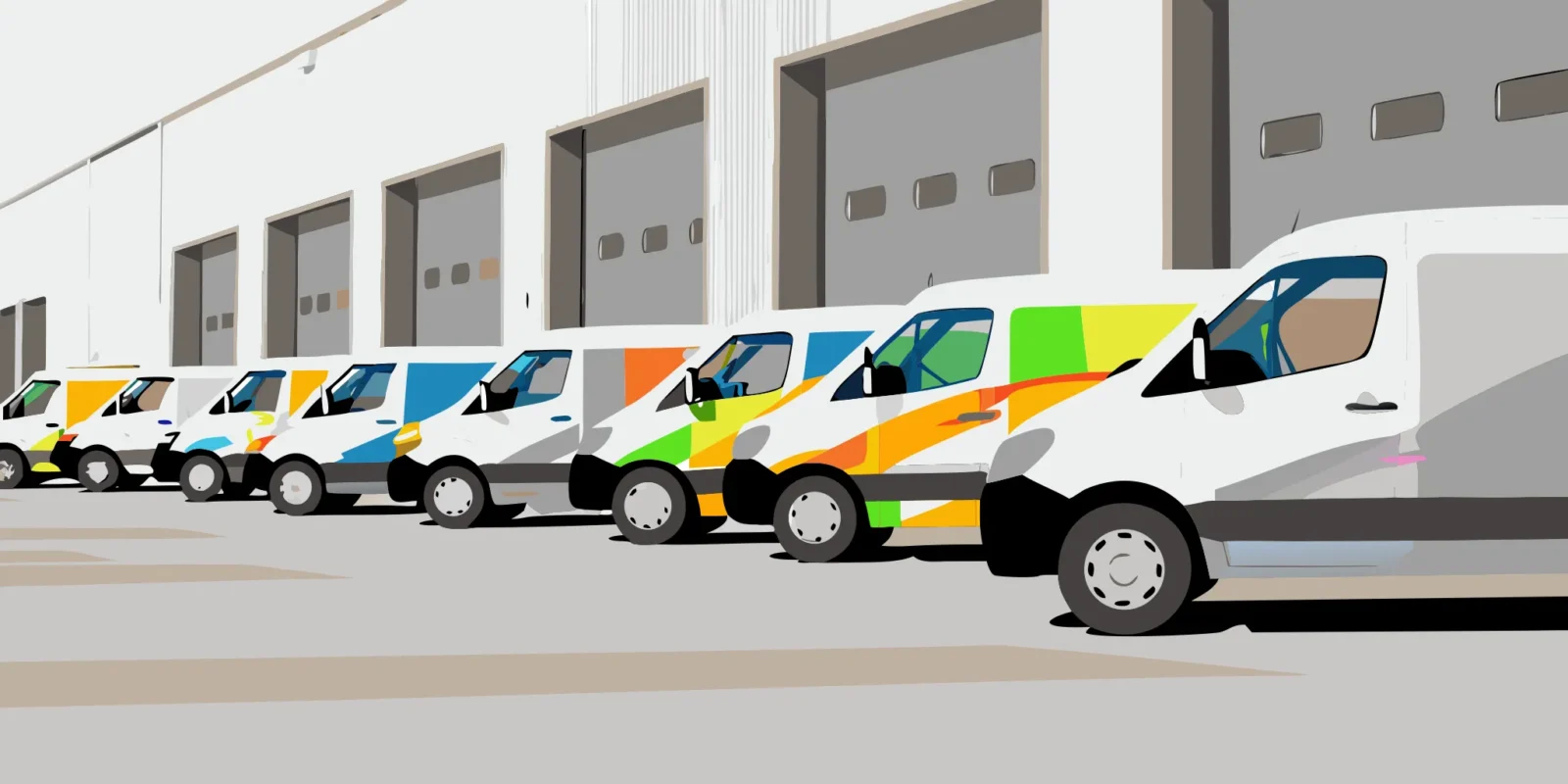
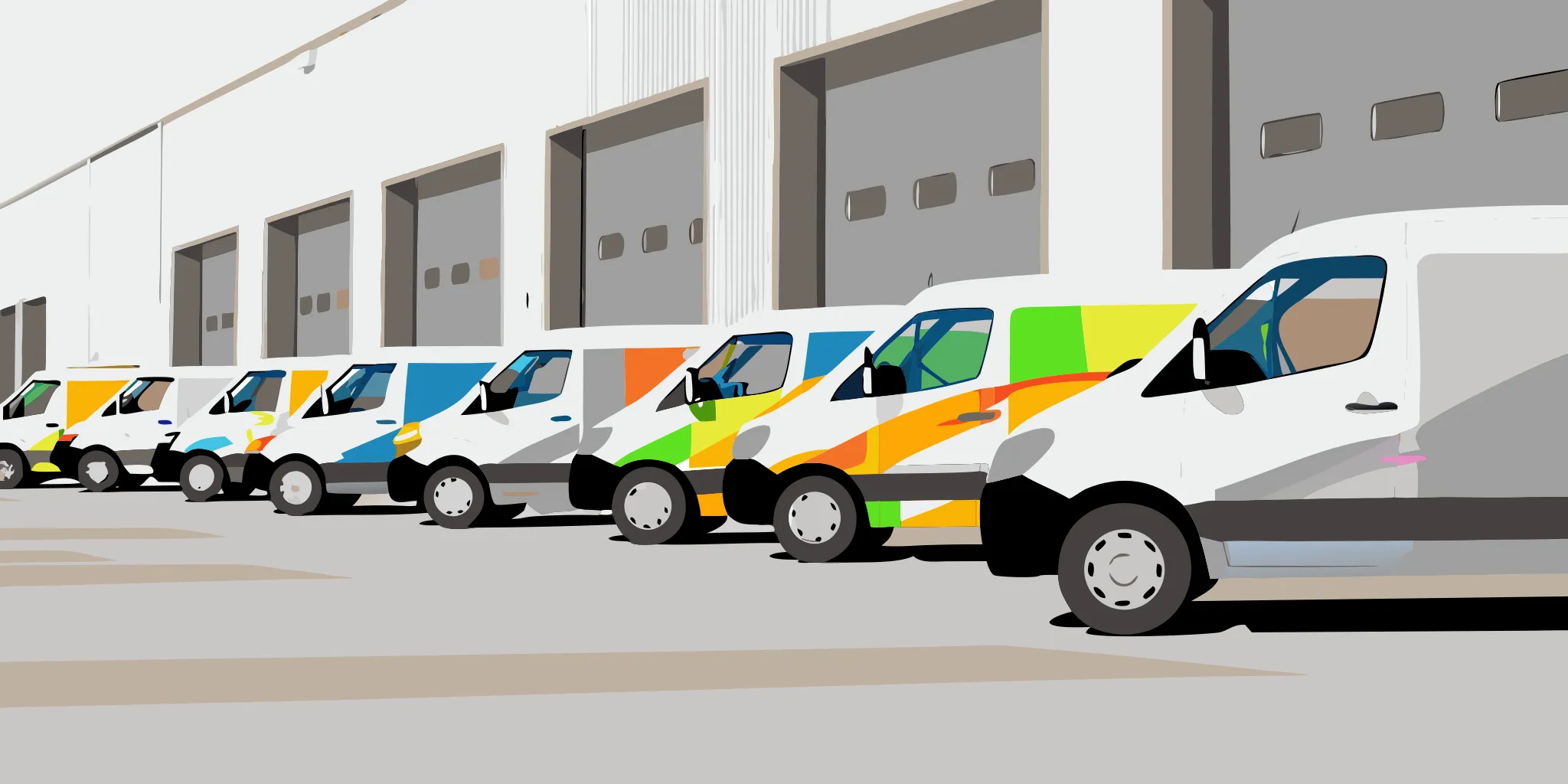
A single unbranded van in a sea of Portland traffic is a missed chance for thousands of daily impressions. Successful branding starts long before the vinyl hits the metal. A clear plan ensures your fleet looks professional and stays durable in our wet Northwest weather.
Ready to put your Portland fleet to work? Request a fleet wrap quote.
A fleet wrap design checklist provides a clear roadmap for business teams to turn their commercial vehicles into effective marketing tools. This step-by-step process begins with the “Dream” phase to set core brand goals and collect high-quality files. It then moves into the “Plan” stage where designers look at specific vehicle shapes to prevent the art from stretching. A full checklist ensures that every detail, from material choice like UV-coated vinyl to final setup, is handled with care. By following these steps, companies can improve their safety and brand sight on the road. This approach is supported by the National Institute of Justice, which says that clear vehicle markings help drivers see commercial units from further away. These actions build a professional fleet that earns local trust.
Operations managers often feel pressure to finish vehicle wraps quickly to get their trucks back into work. The first step is defining the job before design so approvals, production, and installation stay on track.
Fleet wrap design checklist: define the job before design
Before you start any art, you must “Dream” and “Plan.” This is part of the Dream, Plan, Create process. You need to know what you want your fleet to say to the world. Is the goal to launch a new brand or just list a phone number? Setting your goals first helps you stay on track and keeps the project on task.
Set your brand goals
Your fleet is a key part of your brand. You should know what you want the public to see when your trucks are on the move. Bold designs work best on the road because people only have a few seconds to look. You should pick one or two main points to show. Too much text can make the wrap hard to read at high speeds. Using professional commercial fleet branding helps your business look more expert and trusted.
Think about where your vehicles go every day. If you work in the Portland area, your brand needs to stand out in rain or gray light. The same colors across all your cars help people remember your name. This builds trust with local clients who see your fleet often. A clear message makes sure your marketing dollars work hard for you.
Check your fleet vehicles
You need a full list of all your cars, vans, and trucks. Each vehicle has its own shape and size. A design that looks good on a van might not work well on a flatbed truck. You must take exact measurements of each unit before the design starts. This fleet vehicle graphics design process ensures your logos do not end up over door handles or seams. Careful planning prevents bad stretches that can ruin a good look.
The shape of each vehicle is a big deal in vehicle wraps. Curves and deep spots can change how an image looks. You should also check the paint on each vehicle. New wraps stick best to clean, smooth surfaces. If a truck has old damage, it may need repair before the wrap goes on. Knowing these details early saves time and money during the create phase.
Plan for safety and sight
Good fleet graphics do more than sell. They also help keep drivers safe on the road. High visibility markings help other drivers see your vehicle from further away. The National Institute of Justice says better sight makes cars easier to spot. This can lower the risk of a crash and keep your team safe.
For work done at night, you should use retroreflective tape. The DOT standard for high visibility often includes red and white segments. These marks help people see your trucks when light is low. This is vital for any commercial fleet that runs in the early morning or late at night. Safety and branding can work together to protect your fleet and your brand.
Use this fleet wrap design checklist to prepare for your next project:
- Define your main marketing message and brand goal.
- List every vehicle in your fleet by make, model, and year.
- Take high-quality photos of all four sides of each vehicle.
- Note the location of all doors, windows, and handles.
- Set a budget for full or partial wrap coverage per unit.
- Choose a deadline for the final design and setup.
- Find the main people who need to approve the final mockup.
What brand files does a fleet wrap designer need?
A fleet wrap designer needs editable vector logos, approved color values, typeface files or outlined text, high-resolution supporting images, and written brand rules. APM PrintWorks’ prepress team can use this package to build accurate, repeatable artwork for every vehicle type.
A good project starts with the right files. Following a fleet wrap design checklist helps your team and the artist stay on the same page. At APM PrintWorks, we use a process called “Dream, Plan, Create” to make sure every detail is right. This starts by picking your brand files so the design stays clear and true to your brand.
Vector logos and source files
You must give your logos in a vector form like .AI, .EPS, or .PDF. These files let the artist scale your logo to fit a large truck without losing the look. Raster files like .JPG or .PNG often get blurry when you blow them up for a full vehicle wrap. High-quality files ensure your brand looks crisp and clean on the road.
Using the right fleet vehicle graphics design process protects your brand image. When logos are sharp, they help people see and know your business from far away. Clear markings also help with safety by making your trucks easier to see for other drivers. Bold designs can help make your vehicles easy to see for nearby cars.
Exact color codes and brand fonts
The same look is key for a fleet. You should give exact color codes such as Pantone or Hex values. This ensures the colors on your trucks match the colors on your site and other ads. Using the wrong shade can make a fleet look messy and hurt your brand name.
Fonts are just as vital for reading. Your artist needs the name of your brand fonts to keep your text bold and simple. Pick fonts that are easy to read from a distance and at high speeds. Avoid scripts or thin lines that are hard to see on the road. Bold text helps you share vital info like your phone number or web link in just a few seconds.
Approved photos and key text
If your design includes photos, give clear images that are at least 300 DPI at full size. Low-quality photos will look blurry on a large vehicle side. You should also give the artist a list of approved text. This includes your slogan, main work, and contact info. Keeping the text short and focused helps the reader get the point fast.
Before any work starts, we create a mockup for you to check. This stage is part of the “Dream, Plan, Create” method to find and fix errors early. Once you approve the mockup, we can move to the final build. Good planning with the right files leads to a wrap that lasts and looks great for years.
Build a readable design system for every vehicle
A good fleet wrap design checklist starts with a clear plan. Your fleet is a moving sign that many people see every day. To make a big impact, you need a system that works on every car and truck you own. This means thinking about how people see your brand from a distance. A strong look helps your team stand out on the road. It also tells people that your business is expert and can be trusted. At APM PrintWorks, we use a three-step process to get this right for your fleet.
Focus on visual rank and simple text
When you design for the road, less is more. Most people will only see your vehicle for a few seconds. You must use a clear fleet vehicle graphics design process to pick what matters most. Keep your logo big and your colors bold. Limit your text to just your name, your phone number, and a short web address. If you try to say too much, your message will get lost. A simple design is always the best way to win on the road.
Being easy to read is key when a vehicle is moving fast. High contrast between your text and the wrap color helps people read your message. Studies show that better vehicle visibility makes your brand easier to find from far away. If your design is too busy, people will look away. Focus on one main goal so your message sticks. You want your brand to be the first thing people notice in traffic. This helps you get more calls and more leads from your mobile assets.
Account for vehicle shape and body lines
Every vehicle has a unique shape. You must think about door handles, seams, and windows before you print. If you place a logo over a door seam, it might look cut in half when the door opens. You should also watch out for body lines that can warp your text. A mockup on a real template helps you find these traps early. This step prevents waste and keeps your graphics looking sharp. We take extra care to check every line and curve of your exact model.
Good placement keeps your brand look strong on all sides. Avoid putting vital info on curves where it might be hard to read. You also need to plan for how the vinyl sits on the metal. This step is a big part of the “Plan” stage in our process. It ensures your wrap fits well and lasts a long time. By placing your art in the right spots, you avoid high-wear areas. This keeps your fleet looking new even after many miles of use in the Portland rain.
Scale your look across different models
A fleet often has many types of vehicles. You might have small vans, large trucks, and even cars. Your design system must look the same on all of them to build trust. When your look is the same across all assets, it builds a sense of scale and power. Use the same fonts and colors to keep your brand voice clear. This makes your business look like a leader in your field. It also helps your drivers feel like they are part of a real team.
Scaling a design is not just about making things bigger. You have to move parts around to fit the space. For night work, you may need retroreflective sheeting to stay seen in the dark. This helps with both being known and safety on the road. A unified style makes your whole fleet look like a team. Whether it is a small car magnet or a full truck wrap, the core style stays the same. This way, your brand stays strong as your business grows.
| Choice | Effective Design | Risky Design |
|---|---|---|
| Text Amount | Only name, phone, and URL | Full list of every service |
| Color Use | High contrast for easy reading | Low contrast or busy patterns |
| Logo Size | Big enough to see from 50 feet | Small and hard to find |
| Placement | Away from handles and deep seams | Over gaps that cut the graphics |
| Wrap Type | UV-coated vinyl for long life | Low-grade film that fades fast |
| Font Choice | Simple and bold block letters | Thin script or complex styles |
How should your team review fleet wrap proofs?
Review fleet wrap proofs by vehicle type, not as one generic design. Confirm the logo, contact details, color, sightlines, seams, handles, doors, and legally required markings on each proof. Then designate one final approver so production receives clear, consolidated feedback.
Your team needs a clear review process to ensure fleet graphics look great and last a long time. The proofing stage is the best time to find errors before the vinyl goes to print. At APM PrintWorks, we use our Dream, Plan, Create method to help you through this stage. This process makes sure every detail matches your vehicle’s specific make and model.
Check vehicle templates and fits
A good fleet wrap design checklist starts with the right template. Your proofs should show the exact year and model of your cars or trucks. Every vehicle has its own shape, and a wrap must fit around door handles, fuel doors, and vents. If a logo sits too close to a door seam, it might look cut off once the shop sets it up.
The fleet vehicle graphics design process requires you to look at how the art wraps around the corners. You must check that the graphics do not hide vital parts like lights or reflectors. For safety, some trucks use retroreflective sheeting to stay visible at night. Your proof should show where these safety marks go so they do not block your brand message.
Verify brand and contact details
Your marketing and operations teams must both sign off on the final master files. Marketing should check that the colors and fonts match your brand guide. It is also vital to read every word on the proof at least twice. Check your phone number and web link to make sure they are right before the print run starts. Small typos can lead to big costs if you have to redo a whole fleet.
You also need to think about how people see your brand from a distance. High-visibility marking plans help other drivers identify your fleet sooner while on the road. Keep your text large and use high contrast so it is easy to read at highway speeds. Your team should look at the proof from a few feet away to test how it will look in the real world.
Approve and store master files
Once you are happy with the mockups, your team should document the approved files. These files will serve as the guide for any new vehicles you add later. This helps your brand stay the same across your entire fleet as you grow. Having a set of master files also makes it easy to replace a single wrap if a vehicle gets a dent or a scratch.
By following these steps, you can get effective vehicle fleet design that works for your business. This review process helps you avoid mistakes and ensures your graphics look professional for years. Once you sign off, the files go to print on high-quality UV-coated vinyl for the best durability in the Portland area.
Prepare your fleet for a smooth installation
Getting your fleet ready for new graphics needs more than just picking a date. A clear plan helps you avoid delays and keeps the vinyl in place for years. At APM PrintWorks, we use a “Dream, Plan, Create” method to guide you through each step. This work helps us maintain a high professional commercial fleet branding standard for every truck in your Portland fleet.
Plan for fleet downtime
Success starts with a smart schedule. You must pull trucks from their routes before the team arrives to start the work. Most fleet managers find it best to rotate trucks in small groups to keep things moving. We help you plan these times so your team stays busy while your brand gets a new look.
Clean and check every surface
A clean truck is the only way to get a strong bond. You must remove all dirt, road grime, and wax from the paint. Surface prep follows a strict fleet vehicle graphics design process to make sure the bond works as it should. Per National Institute of Justice guidelines, making trucks more visible starts with making sure that marks are clear and easy to see. Any grease left behind can cause the vinyl to lift or bubble over time.
Check paint and body state
Graphics look best on a smooth surface. You should check for deep scratches, rust, or loose paint before your visit. If a truck has body damage, the wrap may not hide the flaw. In some cases, putting vinyl over loose paint can cause it to flake off later. Fixing these spots now saves you from big costs after the wrap is on.
- Set a clear schedule: Pick dates that work for your team and the shop to save on lost route time.
- Wash each vehicle: Use a good soap to remove all dirt and let the trucks dry all the way.
- Remove old parts: Take off any racks or mirrors if they will block the work.
- Look for damage: Check for rust or paint chips that could stop the vinyl from sticking to the metal.
- Plan the handoff: Make sure the keys and trucks are ready at the right time to keep the work on track.
Following this effective vehicle fleet design checklist helps your project go well. By prepping each truck ahead of time, you give your new brand the best chance to last in the Portland weather.
Protect consistency after installation
The work on your fleet wrap design checklist does not end once the graphics are on the vehicle. Your brand must stay sharp through every mile and every weather change. Keeping your fleet looking professional needs a plan for care and future growth. This stage ensures your money lasts and your brand stays strong as you add new trucks or vans to your team.
Check the work and wash with care
Perform a close look at every new wrap to find any small issues like tiny bubbles or loose edges. Quick checks keep small problems from growing into big ones. When it comes to cleaning, use soft cloths and mild soaps to protect the UV-coated vinyl from marks. Avoid high-pressure sprays and harsh tools that could lift the edges of the film. Regular cleaning helps you spot signs of wear before they change the look of your business tools.
Record your brand assets
You need a clear record of every design file, color code, and material used for each vehicle. This file makes it easy to match the look of a new truck to your old fleet. Proper records are a key part of an effective vehicle fleet design plan. When you know what was used before, you can keep your brand colors and logos the same across all models. These facts also help if you need to fix a single door or hood after a minor crash.
Plan for repairs and growth
Even with great care, wraps can get damaged from road rocks or crashes. It is best to have a plan for quick fixes to keep your vehicles on the road and looking their best. Frequent checks are vital for high-visibility vehicle markings to stay safe and clear. If you find a tear or sun damage, fix it fast to keep a professional look. A smart repair plan keeps your brand identity steady as your business grows and you replace older vehicles.
Your final fleet wrap project handoff checklist
The last stage of a fleet project is when your hard work turns into a moving brand. To finish well, you must check every detail. Using a clear fleet wrap design checklist helps you move from the plan to the real world without any small slips. This guide helps managers close the loop on their fleet projects.
Check your list and design
First, look at your list of trucks. You should match every truck to the right graphics. Use your fleet wrap design checklist to make sure that each mockup fits the vehicle shape. This step is part of the fleet vehicle graphics design process we use to keep your brand looking the same on every car. If the layout is off by even an inch, the whole look can suffer.
Next, get final sign-off on the art. You need to see a scaled proof for each vehicle type. Check that all names and phone numbers are right. It is best to catch these small errors now rather than after the ink is dry. Most projects fail because of a small typo that no one saw in the final rush.
Verify safety and visibility
A good wrap does more than look nice. It also keeps your drivers safe on the road. High-visibility marking schemes help other drivers see your trucks from a long way off. This is very true when you drive at night or in bad rain. Some teams use bright red and white tape to make sure their vehicles are more visible to others on the highway.
Check the material quality too. Make sure the team uses UV-coated vinyl to stop the sun from fading your art. This coating helps your wrap last for many years in the Portland rain. If you skip this, your colors may turn gray in just a few months. Good film is the key to a long-lasting and professional look.
Final setup and asset care
The last step is the actual setup. Before the wrap goes on, the truck must be very clean. The team should use special tools to strip off dirt and wax. If the surface is not clean, the glue will not stick. A clean surface ensures your graphics stay flat and do not peel at the edges.
Once the work is done, plan for future care. Tell your drivers how to wash the new wraps without hurting the film. Regular checks help you find small errors before they become big holes. Keeping your fleet clean and in good shape shows your customers that you care about your work and your brand.
Frequently Asked Questions
Why is a vehicle wrap design checklist important?
A checklist ensures that every technical detail is ready before printing. According to the APM PrintWorks guide, using a clear process like the “Dream, Plan, Create” method ensures mockup approval. This prevents costly errors and ensures that graphics fit the vehicle shape. Following a list also helps keep the work on track. It maintains a steady brand look across your whole fleet.
What should be included in a fleet wrap design checklist?
Your list should start with sharp brand files and exact vehicle sizes. Include steps for mockup approval on a scaled layout to find errors early. Checking the material choice is also vital. For example, APM PrintWorks uses UV-coated vinyl for weather protection and long life. Finally, add a step to check that no text or logos fall into door handles or deep body curves.
What design rules make fleet wraps effective?
Effective fleet designs are bold and simple. You should limit text to key facts so the message is easy to read at a glance. Bright marking plans can also help. Data from the National Institute of Justice shows that high visibility helps drivers see vehicles sooner. Use high-contrast colors and large fonts. Avoid busy patterns that might hide your brand or phone number.
How to design a vehicle wrap effectively?
Start by choosing a clear focus for your brand. Use a scaled layout that fits the vehicle’s shape to avoid odd stretching. Keep the look clean by using one main message and a clear call to action. For safety and high visibility, think about using bright materials. The Wisconsin Department of Transportation notes that DOT-C2 grade tape helps others see the vehicle. Always check your design with a mockup before the final print.
Ready to request a Portland fleet wrap quote?
A slow fleet wrap plan can hurt your brand and stall your growth. Every day your vans sit in the lot is a lost chance to reach new folks in Portland. You need a clear path to get your trucks on the road with bold, clean looks that last. Waiting to start your project means your fleet stays blank while peers grab more eyes on the street. Do not let old files or poor plans keep your brand from being seen. Our team uses the Dream, Plan, Create method to make sure your work is right the first time. Start your plan now to lock in your spot and get moving fast. We help you sort your brand files and plan each step for a smooth job with our fleet graphics team. This saves you time and keeps your cars on the road. A fresh wrap gives your team a pro look that wins trust.
Ready to request a fleet wrap quote? Call (503) 270-5524 to request a fleet wrap quote.