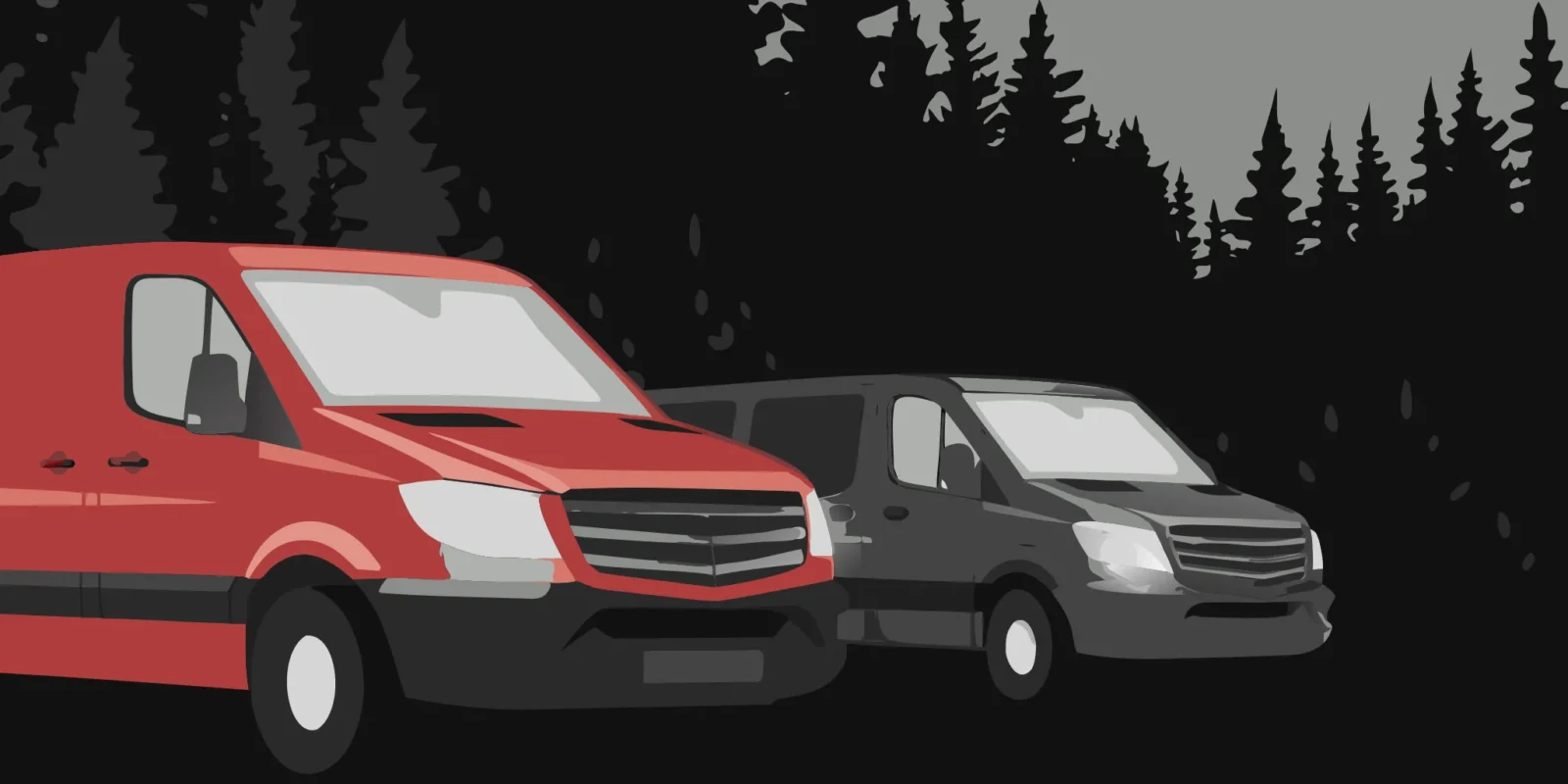
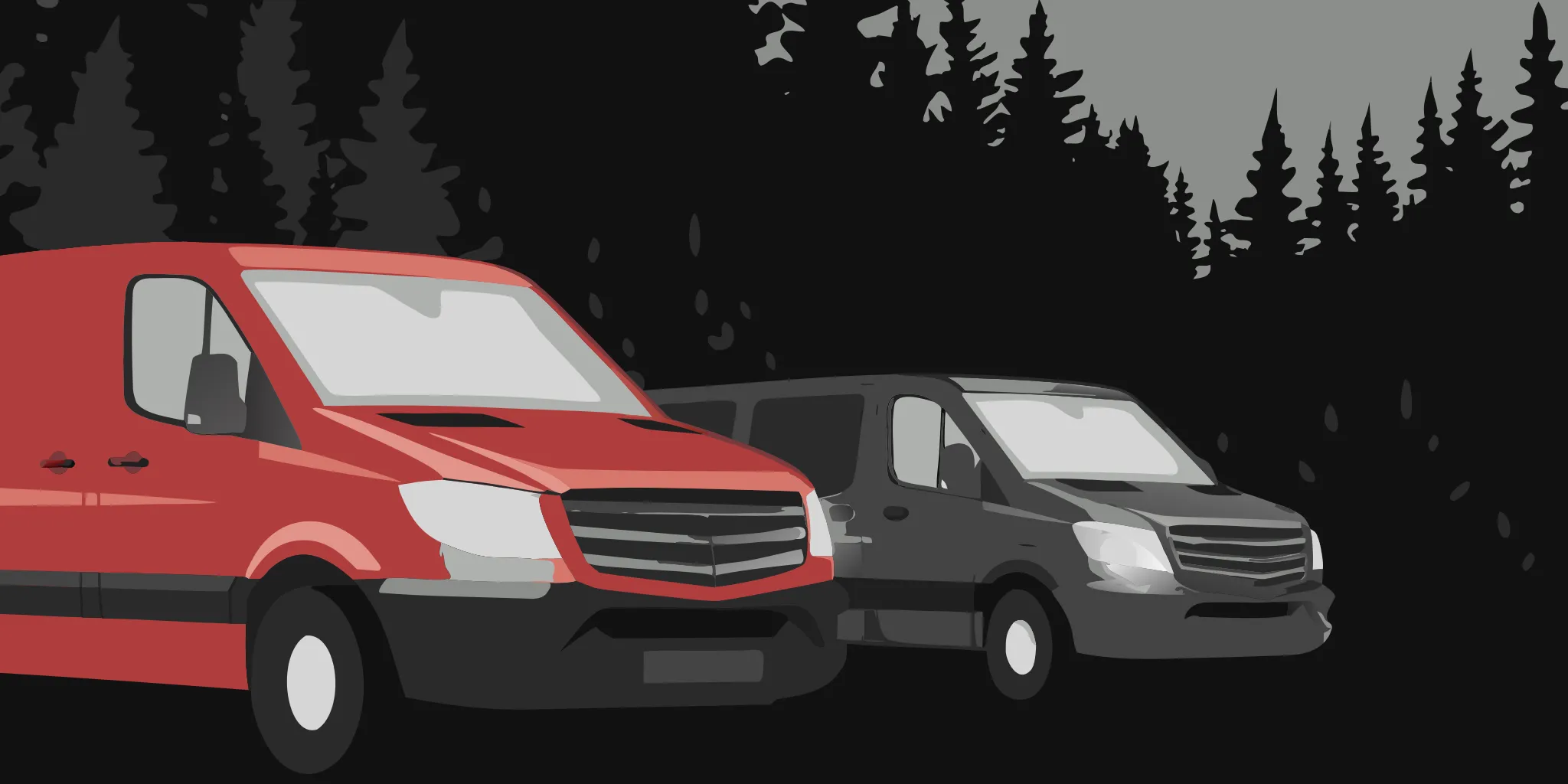
Your vehicles already travel through Portland neighborhoods, job sites, and business districts. The right graphics can turn every one of those trips into a clear, memorable introduction to your company, but the wrong coverage choice can leave the message cluttered or incomplete. This partial vs full vehicle wrap guide helps fleet managers choose a practical design that fits the brand, the vehicles, and the way the fleet works.
Request a fleet wrap consultation with APM Printworks.
A partial wrap places graphics on selected vehicle panels and uses the original paint color as part of the design. A full wrap creates a nearly edge-to-edge branded appearance across the vehicle body. The better option depends on fleet consistency, visual goals, vehicle condition, message complexity, and rollout priorities.
What is the difference between partial and full wraps at APM Printworks?
APM Printworks helps businesses compare a partial vs full vehicle wrap by looking at how much visual space the message needs, not simply how much vinyl can fit on a vehicle. Both approaches can create a professional mobile brand presence. The important difference is how each design uses the vehicle’s shape and factory paint.
Partial wraps use selected panels strategically
A partial wrap covers deliberate areas such as doors, rear panels, the hood, or a portion of the vehicle sides. The design often fades, curves, or transitions into the original paint so the uncovered area feels intentional. A successful partial wrap does not look unfinished. It looks like the factory color was chosen as part of the graphic system.
This approach works especially well when the fleet already has a consistent paint color that supports the brand palette. A clean white van, for example, can provide generous negative space around a bold logo, a short service statement, and clear contact information. Partial coverage can also help a business apply a consistent visual identity across several vehicle types without forcing the exact same layout onto every body style.
Full wraps create a unified visual canvas
A full wrap uses most of the available painted body as one connected design surface. It can introduce a new dominant color, connect graphics across multiple panels, and make vehicles with different factory colors appear more consistent. This makes full coverage useful when the vehicle itself needs to become a highly recognizable brand asset.
More space does not mean every inch should carry text. APM Printworks uses the broader canvas to establish hierarchy: a dominant brand impression at a distance, a clear service message at medium range, and essential contact details for nearby viewers. The result should remain understandable while the vehicle is moving.
How does APM Printworks compare partial vs full vehicle wrap options?
APM Printworks compares coverage options against the same practical criteria: brand impact, design flexibility, fleet consistency, vehicle condition, and message clarity. The best choice is the one that communicates quickly and can be repeated reliably across the fleet.
| Decision factor | Partial vehicle wrap | Full vehicle wrap |
|---|---|---|
| Use of factory paint | Paint becomes part of the design | Most painted areas receive a new branded appearance |
| Visual effect | Focused, open, and strategic | Immersive, bold, and unified |
| Best brand fit | Simple message with compatible vehicle colors | Detailed visual system or major color transformation |
| Mixed-color fleets | May require layout or color adjustments | Can create a more consistent appearance |
| Message space | Prioritizes only the most important information | Supports a broader visual story with clear hierarchy |
| Rollout approach | Useful for targeted branding across varied vehicles | Useful for flagship vehicles and highly visible fleets |
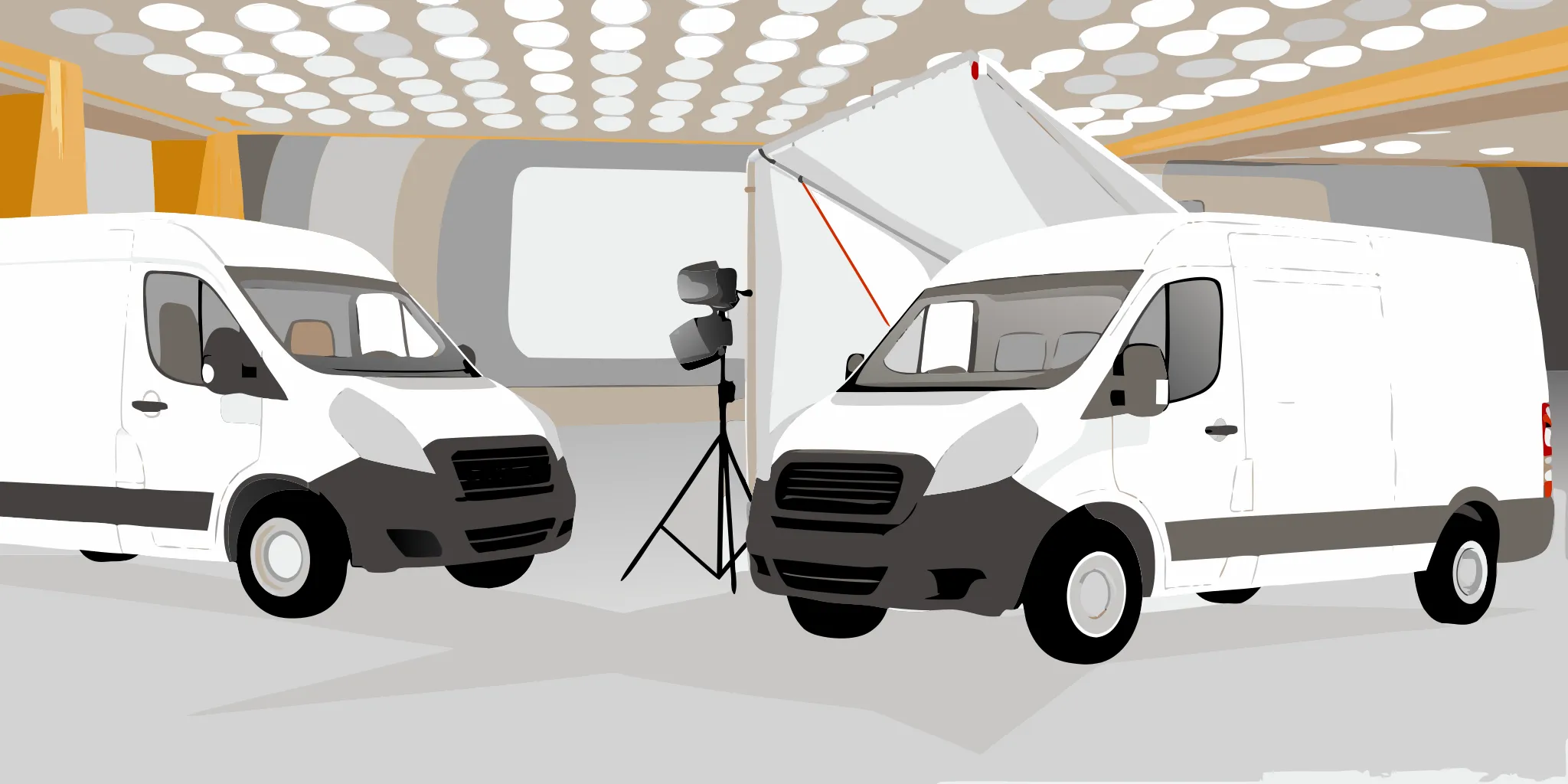
The comparison table is a starting point, not a substitute for seeing a design on the actual vehicle. Doors, windows, wheel wells, handles, curves, and panel breaks all influence the final layout. A concept that works on a cargo van may need a different balance on a pickup, service body, or box truck.
Businesses planning a broader fleet program can review APM Printworks’ vehicle and fleet graphics services to see how design, production, and installation fit together. Evaluating the whole program early helps prevent one-off vehicle decisions from weakening fleet consistency later.
When does APM Printworks recommend a partial vehicle wrap?
APM Printworks often recommends partial coverage when a business has a focused message, compatible vehicle paint, and a strong need for flexibility across several vehicle types. In a partial vs full vehicle wrap decision, partial coverage succeeds when restraint makes the brand easier to recognize.
The factory color already supports the brand
If the fleet’s paint creates an effective background, covering it may not improve the design. Instead, the color can frame graphics and create contrast. This is especially helpful when the fleet has matching vehicles or when the brand palette works naturally with a common factory finish.
Designers can use transitions and shapes to connect wrapped and unwrapped areas. That connection matters. A hard, unexplained stopping point can make graphics look temporary, while a purposeful transition makes partial coverage feel complete.
The message is simple and action-oriented
Vehicle graphics are viewed quickly. A logo, concise service category, website, and phone number may be all a local business needs. Partial coverage encourages disciplined messaging because every element must earn its place. The result can be easier to read than a larger design filled with too many competing details.
For service fleets, the most valuable question is often not “How much can we say?” but “What should a driver remember after a few seconds?” APM Printworks can help prioritize the single brand idea and response path that matter most.
The fleet includes different makes and body styles
A mixed fleet rarely offers identical dimensions. Partial layouts can create a repeatable graphic language without pretending every vehicle is the same. Consistent logo placement, color relationships, typography, and message order can connect vans, trucks, and cars while allowing each layout to respect the available space.
Partial wraps can also support phased branding. When vehicles enter or leave service at different times, a well-documented system makes it easier to adapt the look for future additions. That system should include approved colors, logo rules, core messages, and clear placement priorities.
When does APM Printworks recommend a full vehicle wrap?
APM Printworks recommends considering full coverage when the fleet needs a major visual transformation, a unified appearance, or enough design space to communicate a more distinctive brand story. A full wrap should create clarity and recognition, not visual noise.
The fleet needs a consistent dominant color
Businesses often acquire vehicles over time, which can produce a mix of factory colors. Full wraps can give those vehicles a more cohesive branded appearance. Although each model still requires a tailored layout, the dominant color and visual system can remain consistent from vehicle to vehicle.
This is valuable for fleets that customers frequently see together, such as vehicles arriving at a large project site or traveling throughout the same service area. Consistency helps every vehicle reinforce the others, making the fleet feel organized and established.
The brand relies on bold imagery or a connected design
Some concepts need the sides, rear, and other visible body areas to work as a connected composition. Full coverage gives designers room to establish a strong background, control transitions around panels, and maintain visual energy from multiple viewing angles.
The added space still requires editing. Drivers should be able to identify the company and understand the main service without studying the vehicle. Secondary details can support the message, but they should never compete with the logo or primary value statement.
The vehicle is a flagship marketing asset
A high-visibility vehicle may represent the business at customer locations, community events, and on major routes. When that vehicle plays an important role in brand awareness, full coverage can create a distinctive look that feels intentional from every side.
APM Printworks approaches these projects as part of a broader commercial fleet branding program. This keeps vehicle graphics aligned with the rest of the business identity rather than treating each vehicle as an isolated sign.
How does APM Printworks plan fleet graphics that stay clear?
APM Printworks plans a partial vs full vehicle wrap around real viewing conditions. People see fleet graphics from different distances, at different speeds, and from changing angles. A strong design controls what viewers notice first and makes the next action easy to understand.
Start with one communication goal
Before choosing coverage, define what the fleet should accomplish. The goal might be building local recognition, clarifying a specialized service, making crews easier to identify, or directing prospects to a website. One primary goal gives the design a filter for every later choice.
Once the goal is clear, decide what a viewer must remember. Usually that means the company name, the service category, and one response path. Additional information should support those elements rather than reduce their visibility.
Consider the audience as well. A residential service company may need instant neighborhood recognition, while a business-to-business fleet may need to establish capability and trust at a customer site. APM Printworks uses that audience context to guide emphasis, image selection, and the balance between brand expression and practical information.
Audit every vehicle before final design
A fleet list should capture the make, model, year, body style, paint color, and condition of each vehicle. It should also identify unusual equipment, access doors, tool compartments, ladders, or other features that affect graphic placement. This audit helps determine whether one coverage approach works across the fleet or whether a planned mix makes more sense.
Surface condition matters because wraps follow the body beneath them. Existing damage, peeling paint, rust, or repairs may need attention before graphics move forward. An early review gives the team a realistic path and reduces surprises during production planning.
Design for motion and distance
Detailed copy may work on a stationary sign, but fleet graphics need faster communication. Strong contrast, readable typography, and concise wording help the message survive real traffic conditions. The vehicle’s rear often deserves special attention because drivers may view it while stopped, while side graphics must usually communicate more quickly.
A useful test is to view the concept at reduced size. If the logo, service category, and main visual idea remain clear, the hierarchy is working. If every detail disappears into one busy block, the design needs simplification regardless of coverage level.
Create a repeatable rollout system
A fleet project is stronger when the first design becomes a system for future vehicles. Document approved artwork, colors, message hierarchy, and placement logic. Then tailor the system to each vehicle template without losing the recognizable brand pattern.
APM Printworks can also coordinate vehicle graphics with other large-format printing solutions, helping businesses present a consistent visual identity across vehicles and physical locations.
How can APM Printworks help you make the final choice?
APM Printworks helps fleet managers make the final partial vs full vehicle wrap choice by turning broad marketing goals into a practical design brief. The right conversation covers the fleet today, likely additions tomorrow, the environments where vehicles operate, and the action prospects should take after seeing them.
Bring a current vehicle list, clear photos, available brand files, and examples of graphics you like or dislike. Explain where the fleet travels and which services matter most. This information helps the design team identify whether partial coverage, full coverage, or a planned combination will communicate most effectively.
A combination can make sense when vehicles serve different roles. A flagship van may benefit from a full wrap, while support vehicles use coordinated partial graphics. The designs do not need identical coverage to feel like one fleet. Shared colors, typography, image style, and message hierarchy can create the connection.
Explore vehicle wrap and graphics options with APM Printworks.
Frequently asked questions about APM Printworks vehicle wraps
APM Printworks answers common partial vs full vehicle wrap questions by focusing on the business goal, the condition and mix of fleet vehicles, and the clarity of the proposed design.
Is a partial wrap effective for a business fleet?
Yes. A partial wrap can be highly effective when it uses the factory paint intentionally, keeps the message concise, and maintains consistent brand elements across vehicles. Effectiveness depends more on clear design and placement than on covering every painted panel.
Does a full vehicle wrap always create more impact?
Not always. Full coverage offers a larger visual canvas and can create a major color transformation, but impact still depends on hierarchy, contrast, and readability. A focused partial design can outperform a cluttered full design when viewers need to understand the message quickly.
Can a fleet use both partial and full wraps?
Yes. A mixed strategy can assign full wraps to flagship or high-visibility vehicles and partial wraps to other fleet units. Consistent colors, logos, typography, and message order help both coverage types look like one coordinated system.
What should a business prepare before requesting a wrap design?
Prepare a vehicle list, clear vehicle photos, brand files, priority services, contact details, and the main goal for the fleet. Sharing where and how the vehicles operate also helps APM Printworks recommend an appropriate coverage and rollout approach.
Start your fleet graphics project with APM Printworks
Choosing a partial vs full vehicle wrap becomes easier when the decision starts with message clarity, fleet realities, and long-term brand consistency. APM Printworks can help your Portland-area business shape a coordinated graphics plan that makes every vehicle feel like part of one professional fleet.
Contact APM Printworks to discuss your fleet graphics project.