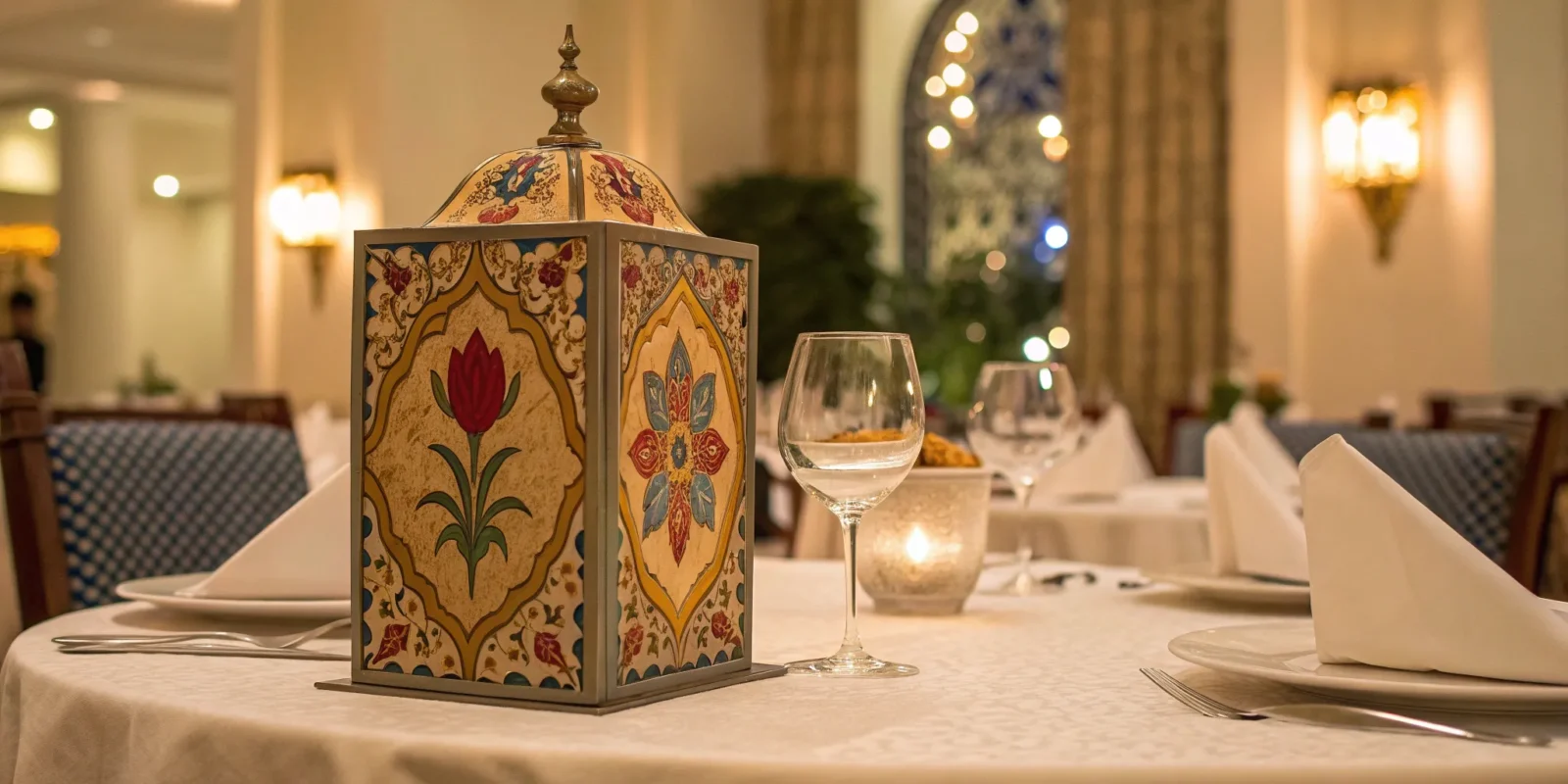
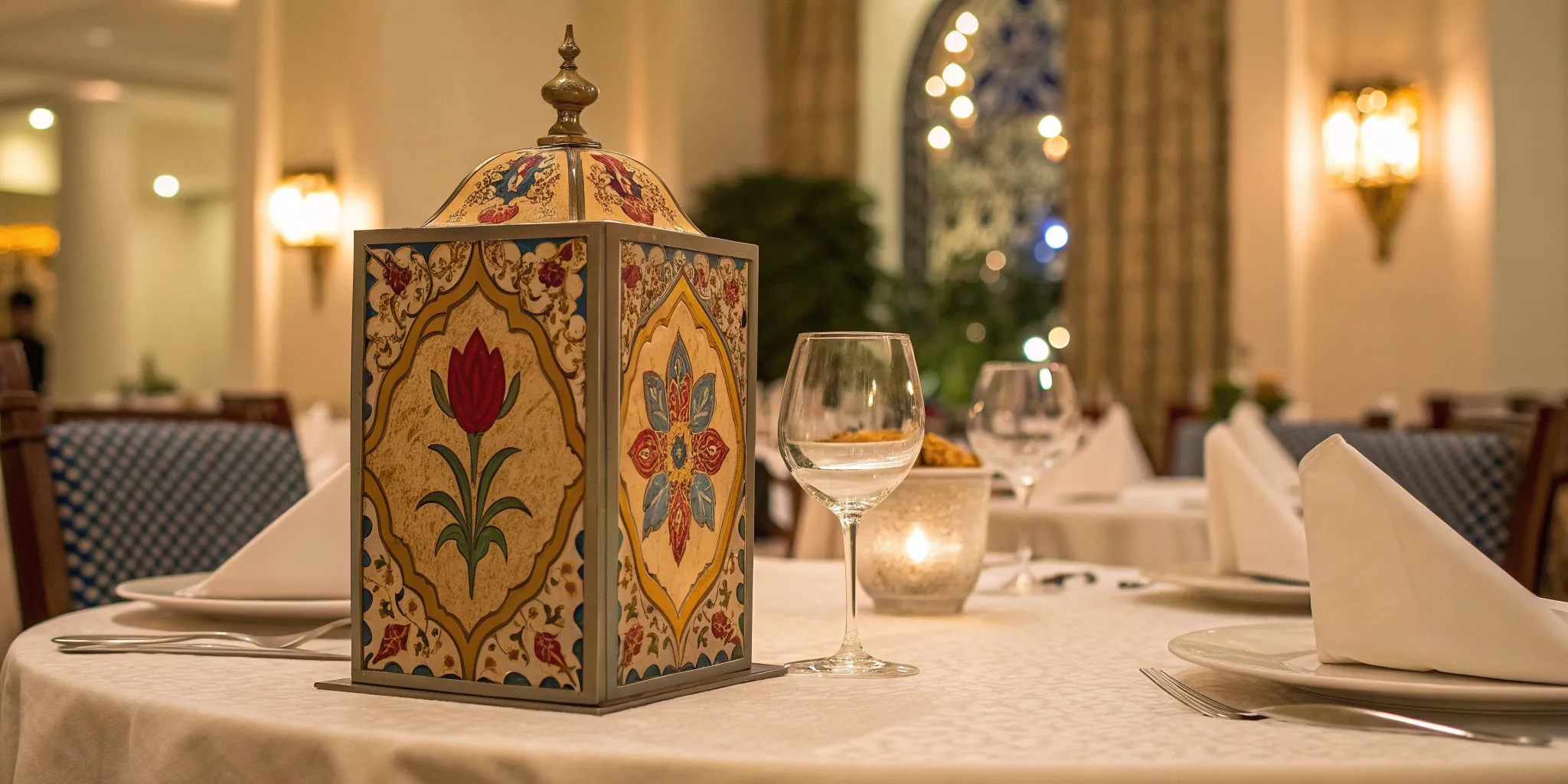
What do a bustling Portland restaurant, a chic salon, and a corporate event have in common? They all need to share information clearly and effectively in their physical spaces. The versatility of custom printed table tents makes them an ideal solution for almost any industry. They can showcase daily specials, highlight membership benefits, or guide attendees through a schedule. Because they are so adaptable, they serve as a constant, reliable touchpoint with your audience. This guide covers the essential steps for creating a durable and eye-catching display that fits your specific needs, ensuring your message gets seen and remembered.
Key Takeaways
- Respect the Fold: Always design with the final, three-dimensional shape in mind. Keep your most important visuals and text safely within the panels and away from score lines to ensure your message remains clear and professional.
- Choose a Material That Fits the Scene: Select a material based on your table tent’s environment and lifespan. Durable plastic is perfect for high-traffic, long-term placements, while heavy cardstock works well for temporary promotions or single events.
- Make It Interactive with a QR Code: Bridge the gap between your physical display and your online presence by adding a QR code. This simple tool can direct customers to your menu, website, or a special offer, turning a simple sign into an engaging experience.
What is a Custom Table Tent?
Think of a custom table tent as a mini-billboard for your most important messages, placed exactly where your customers are already looking: on tables, counters, and checkout areas. These simple, self-standing displays are powerful tools for communicating directly with your audience at the point of sale or service. Unlike a temporary sign, a well-designed table tent is a durable piece of your marketing strategy, built to grab attention and provide key information.
You can create them in various sizes and shapes, printed in full, vibrant color to match your brand. Whether you choose a sturdy paper stock for a seasonal promotion or a resilient plastic for long-term use in a busy restaurant, the goal is the same: to present a professional, eye-catching message. From announcing a new service to sharing a Wi-Fi password, table tents are one of the most effective and affordable advertising solutions for getting your message seen. They work silently in the background, ensuring your customers have the information they need, right when they need it.
How Businesses Use Them
The versatility of table tents is what makes them so valuable. A restaurant in the Pearl District might use them to showcase daily specials or a QR code that links to a digital menu, streamlining the ordering process. A retail shop on Hawthorne could display them at the checkout counter to announce an upcoming sale or encourage shoppers to join their loyalty program. In a professional setting like a salon or gym, they can highlight specific services or membership benefits. They’re also perfect for events, serving as table numbers or guides to the day’s schedule. Essentially, if you have a flat surface and a message to share, a table tent can do the job.
The Key Benefits
The main advantage of a custom table tent is its ability to make a great first impression. It’s a polished, professional way to present special offers or important details without cluttering your space. Because they are placed in high-traffic areas, they have a high chance of being seen and read by a captive audience. This direct line of communication helps you reach more customers and drive specific actions, like trying a new product or following you on social media. Plus, when you invest in quality print products, these displays are made to last. They can withstand the wear and tear of a busy environment, making them a smart, long-term addition to your marketing toolkit.
Choose the Right Material and Size
Choosing the right material and size for your table tent is more than just a design choice—it’s a strategic decision that affects durability, appearance, and how well it performs in its environment. Think about where your table tent will live. Will it be on a busy restaurant counter, exposed to spills and constant handling? Or will it sit on a reception desk at a one-day conference? The answer will guide you toward the best material. Similarly, the size needs to be just right: large enough to grab attention but not so big that it clutters the space. These small but mighty advertising tools need to be tailored to their purpose. Getting these details right from the start ensures your investment pays off. A flimsy paper tent won’t survive a week in a bustling cafe, and an oversized plastic one might look out of place at an elegant fundraiser. It’s all about matching the form to the function. By carefully considering the material and dimensions, you create a piece that not only communicates your message effectively but also enhances the space it occupies. Let’s walk through the key factors to consider so you can create a table tent that not only looks great but also lasts as long as you need it to.
Paper vs. Plastic: Durability and Look
Your table tent’s lifespan and environment are the biggest factors here. Paper is a fantastic, cost-effective option for temporary displays, like promoting a special at an event or a seasonal menu. These are typically printed on a sturdy 16 pt. cardstock that holds its shape well when folded. For something more permanent, plastic is the way to go. Made from durable materials like thick polystyrene, plastic table tents can withstand the daily wear and tear of a busy restaurant or reception area. They resist spills and can be wiped clean, making them a practical choice for any high-traffic setting where you need your message to last.
Standard vs. Custom Dimensions
Once you’ve picked a material, it’s time to think about size. You can stick with standard dimensions like 4×6 or 5×7 inches, which are popular for a reason—they’re noticeable without taking up too much table space. However, don’t feel limited. A custom size can help your table tent stand out or fit perfectly in a specific spot. Beyond size, consider the finish. A glossy finish can make colors pop, while a matte finish offers a more subtle, modern look. Most table tents are designed for quick setup, often arriving with a simple slit or adhesive tab for easy assembly.
Match Your Material to the Environment
It’s crucial to match your material to its surroundings. If your table tent will be used outdoors or in a place where it might get wet, a durable PVC material is an excellent choice since it holds up against the elements. For indoor countertop displays, like at a checkout counter or information desk, a plastic table tent with a slanted back is designed for optimal visibility, making it easy for customers to read. Think about the daily life of your table tent. Will it be in direct sunlight? Will people be constantly touching it? Answering these questions will help you select a material that keeps your display looking professional and fresh.
Customize Your Table Tents for Impact
A generic table tent informs, but a custom one makes an impact. Think of it as a mini-billboard for your table, designed to capture attention and reflect your brand’s personality. When you customize your table tents, you create a direct line of communication with your audience that feels professional and intentional. Every detail, from the colors you choose to the placement of your logo, works together to create an effective display. Getting these details right is what separates a forgettable piece of paper from a powerful marketing tool.
Incorporate Your Branding
Your brand is the heart of your business, and it should be clearly represented on your table tent. But effective branding goes beyond just adding a logo. A crucial detail is the placement of your design elements relative to the fold lines. Placing important text or graphics over these score lines can make them look distorted once the tent is assembled. To keep your message looking sharp, position your branding elements carefully within each panel. Always think about the final 3D shape to ensure your brand looks its best from every angle.
Perfect Your Logo and Color Placement
Your logo and brand colors are your most recognizable assets, so they need to look perfect. A common mistake is using a low-resolution logo that appears blurry in print, which can make your business look unprofessional. Always use a high-quality vector file for the sharpest results. Your color palette is just as important for building brand recognition. When you design your custom tent, stick to your established brand colors for a cohesive look and make sure your logo is prominent but balanced with the rest of your design.
Add QR Codes for Engagement
Bridge the gap between your physical marketing and your online presence by adding a QR code. This simple tool is incredibly effective for engaging your audience. Link it to your website, a digital menu, a newsletter sign-up, or a landing page with a special offer. The key is to integrate the QR code smoothly into your design—it should be large enough to scan easily but not so big that it overpowers your visuals. Before finalizing your design, always test the QR code with a few different phones to ensure it works flawlessly.
Understand Pricing and Ordering
Once you have a design in mind, the next step is figuring out the logistics. Getting a handle on pricing, production timelines, and how to place your order will make the entire process feel much smoother. Let’s walk through what you can expect.
What Affects the Final Cost?
The price for custom table tents can vary quite a bit, and it’s helpful to know what factors into the final quote. The biggest drivers of cost are quantity, material, and size. Ordering in bulk typically lowers the price per piece, while choosing a more durable material like plastic will cost more than standard cardstock. Custom sizes or intricate die-cuts can also add to the total. For a general idea, you might see a simple 4×6 matte table tent run a little over a dollar per piece for a small batch of 25. Think of these factors as levers you can pull to meet your budget for various advertising and media solutions.
Turnaround Times and Rush Options
Planning is everything, especially when you have a deadline. Standard production for table tents often takes about five business days, not including shipping time, which can add another week depending on your location. If you’re in a pinch, ask your printing partner about rush options. Some printers can turn jobs around in as little as one day, which can be a lifesaver for last-minute events or promotions. Always confirm the full timeline—from placing the order to having the final print products in hand—before you commit, so there are no surprises. This ensures your table tents arrive exactly when you need them.
How the Ordering Process Works
Placing an order should be a straightforward process. Most printers give you the flexibility to upload your own print-ready design, which is perfect if you have an in-house designer or have worked with a freelancer. The typical workflow involves selecting your specifications like size and material, uploading your artwork, and then reviewing a digital proof. This proof is your chance to double-check everything for typos or design errors before it goes to print. A great partner will make these business solutions feel easy and collaborative, ensuring you’re confident in the final product before production begins.
Find the Right Printing Partner
Choosing a printing partner is about more than just getting a good price; it’s about finding a collaborator who can bring your vision to life. The right partner acts as an extension of your team, ensuring your table tents—and all your other marketing materials—are professional, durable, and effective. Think of it as an investment in your brand’s reputation. When your printed materials look sharp and feel high-quality, it sends a powerful message to your customers about the care you put into every detail of your business.
Taking the time to find a printer who understands your goals will save you headaches and ensure you get a result you’re proud of. A great partner will ask the right questions, offer thoughtful suggestions, and be transparent about the process from start to finish. They’ll help you select the best materials for your needs and make sure your design is optimized for printing. This collaborative approach is what separates a simple transaction from a true partnership, and it’s the key to creating marketing materials that don’t just inform, but also impress.
What to Look For in a Provider
When you start vetting printers, focus on a few key areas. First, look at the quality of their work and the variety of materials they offer. Your table tents need to look sharp and stand up to their environment, so ask about durable options and professional finishes that can handle daily use. A great partner will also offer a range of customization options to perfectly match your project’s needs, whether it’s a unique size or a special finish. Most importantly, find someone who listens. A printer who takes the time to understand your specific goals is more likely to deliver a product that hits the mark and helps you connect with your customers.
The APM Printworks Difference
We pride ourselves on being the local partner Portland businesses can rely on. Because we offer a complete range of advertising and media solutions, we can ensure your table tents align perfectly with your larger marketing efforts, from large-scale banners to vehicle wraps. This one-stop-shop approach guarantees brand consistency across all your projects. As a local business, we provide a personal touch and clear communication you might not find elsewhere. We’ll work with you to select from our wide variety of high-quality materials and sizes, creating durable, eye-catching table tents that are built to last and designed to get noticed.
Design for Maximum Impact
A table tent is more than just a folded piece of paper; it’s a miniature billboard for your business. Its success hinges entirely on its design. A great design grabs attention, communicates a clear message, and prompts action, while a poor one gets ignored. Think of it as a silent salesperson working for you around the clock. To make sure your table tents are effective, you need to focus on creating a piece that is visually appealing, easy to read, and perfectly aligned with your brand.
The goal is to stop people in their tracks and make them curious enough to read what you have to say. This means every element—from the images you choose to the words you write—needs to be intentional. A cluttered or confusing design will only frustrate potential customers. By focusing on a few key design principles, you can create a powerful marketing tool that works hard for your business, whether it’s promoting a special, sharing information, or directing customers to your website.
Create Eye-Catching Visuals
Your visuals are the first thing people will notice, so they need to be sharp and engaging. Always use high-resolution images and graphics to avoid a blurry, unprofessional look, as low-quality graphics can make your entire brand seem less credible. Also, pay close attention to where your design elements fall. A common mistake is placing important text or a key part of an image directly over a fold line. Once the table tent is assembled, that element will be distorted and hard to see. Plan your layout around the folds to keep your design clean and effective.
Write Clear, Compelling Copy
Once you’ve caught their attention with great visuals, your words need to deliver. Keep your message short, sweet, and to the point. People will only glance at a table tent for a few seconds, so you need a strong, clear headline that tells them exactly what you’re offering. Use simple language and break up text with bullet points or short sentences to make it easy to scan. Focus on the most important information and include a clear call to action that tells the reader what to do next, like “Scan to See Our Menu” or “Visit Our Website.”
Select the Right Fonts and Layout
The right font and layout can make or break your design’s readability. Choose fonts that are consistent with your brand’s style but are also easy to read from a short distance. Avoid overly scripty or decorative fonts that can be difficult to decipher. When it comes to layout, give your design elements room to breathe. Using white space effectively prevents a cluttered look and helps guide the reader’s eye. A strong visual hierarchy ensures that the most important information stands out, making your message more impactful and memorable.
Avoid These Common Mistakes
Creating a custom table tent seems straightforward, but a few common slip-ups can keep your design from looking its best. The good news is that these are easy to sidestep once you know what to look for. Paying attention to a few key details in the design and production process ensures your final product is polished, professional, and effective. Think of it as a final check to make sure your message lands exactly as you intended. From layout blunders to mismatched branding, let’s walk through the most frequent mistakes so you can get your project right the first time.
Getting these details right is what separates a professional marketing piece from an amateur one. A well-executed table tent can effectively promote a special, guide customers, or share important information. But one with a blurry logo or a crooked fold can send the wrong message about your brand’s attention to detail. We see businesses put so much effort into their core services, and we want their printed materials to reflect that same level of quality. By avoiding these common pitfalls, you ensure your investment in custom printing pays off and your table tents work as hard as you do.
Design and Layout Pitfalls
One of the most common design mistakes happens at the fold. It’s easy to forget that your flat design will become a 3D object. Placing text or a key part of an image directly over a score line is a frequent issue; once folded, that element will be distorted or lost in the crease. Always keep critical information, like QR codes or contact details, safely within the main panels. Using a design template from your printer can help you visualize these “safe zones.” Another pitfall is using low-resolution graphics. What looks sharp on your screen can become blurry when printed, so always use high-quality images and vector logos for a crisp, professional finish.
Material and Sizing Errors
Choosing the wrong size or material can undermine your table tent’s purpose. A tiny table tent might get lost on a large dining table, while an oversized one could feel intrusive in a small reception area. Think about the environment where it will be placed and choose dimensions that feel balanced. The material is just as important. A standard, uncoated paper might be fine for a one-day event, but it won’t stand up to spills in a busy restaurant. For long-term use or high-traffic areas, consider a heavier cardstock with a protective coating. Your choice of advertising solutions should always match the demands of the environment to ensure durability and a lasting good impression.
Inconsistent Branding
Your table tent is a representative of your brand, and it should align perfectly with all your other marketing materials. A lack of branding unity can create a disjointed customer experience. This often happens when off-brand colors are used or when an old, low-quality version of a logo is pulled from a website. Always use your brand’s official color codes (Pantone, CMYK) and high-resolution logos. The fonts, tone of voice, and overall style should feel familiar to anyone who has interacted with your brand before, whether on your vehicle wraps or your website. This consistency builds trust and reinforces your professional image, making your brand more memorable.
Ready to Start Your Project?
Once you have a clear vision for your table tents, it’s time to bring them to life. Moving from concept to a finished product involves a few key steps that ensure your final prints look professional and polished. Taking the time to plan your design, prepare your files, and think about placement will make all the difference in your project’s success. Let’s walk through how to get everything ready for a smooth printing process.
Plan Your Design Strategy
Before you get too deep into the visuals, think about the physical nature of a table tent. It’s a three-dimensional object, and your design needs to work with its folds and angles. A common mistake is placing important text or a key part of your logo directly over a score line. Once folded, that element can become distorted or hard to read. Map out where the folds will be and arrange your design elements on each panel accordingly. This ensures your message is clear from every viewpoint and your advertising materials look sharp and intentional.
Prepare Your Artwork and Specs
Submitting a print-ready file is crucial for getting the results you want. Start by ensuring your graphics and images are high-resolution; a blurry logo or pixelated photo can undermine your brand’s credibility. Double-check that your colors are set up for printing (typically CMYK) to avoid unexpected shifts from what you see on screen. Finally, confirm the dimensions are correct. Getting the size or color slightly wrong can throw off the entire look. Providing accurate specs helps us produce high-quality print products that perfectly match your vision.
Best Practices for Placement and Care
Your table tent’s job isn’t done once it’s printed. Think strategically about where you’ll place them to catch the most attention—high-traffic spots like checkout counters, waiting areas, or reception desks are ideal. Ensure your branding is consistent with your other marketing materials, like your banners and signs, to create a unified and professional appearance. A little care goes a long way, too. Keep the tents clean and replace any that look worn or damaged to maintain a polished image for your business.
Related Articles
- Small Format Printing | Printworks | We’ve got you covered!
- FITTED TABLE SKIRTS | Printworks | We’ve got you covered!
- Trade Show Displays for Sale: A Buyer’s Guide
Frequently Asked Questions
How long will my table tents actually last? The lifespan of your table tent really comes down to the material you choose. If you’re running a short-term promotion or need something for a single event, a sturdy paper cardstock will look great and hold up for several weeks or months. For a message that needs to stick around long-term in a busy spot like a restaurant or reception desk, plastic is your best bet. It can handle spills and daily handling, easily lasting a year or more while still looking sharp.
What’s the biggest design mistake to avoid? The most common slip-up we see is forgetting that a table tent is a three-dimensional object. People often design on a flat template and place important text or a key part of their logo right over a fold line. Once the tent is assembled, that element gets creased and distorted. Always be mindful of where the score lines are and keep your most critical information safely within the flat panels to ensure your message stays clear and professional.
Why are table tents better than a simple sign on the counter? While a small sign can share information, a table tent does it more effectively by meeting your customers exactly where they are. Because they are self-standing and often double-sided, they command attention without cluttering your space. They feel like an intentional part of the table setting or counter display, allowing you to communicate directly with a captive audience in a way that feels helpful rather than intrusive.
Is it better to order a lot at once or just what I need right now? This depends on your goal. If you’re creating a table tent with a timeless message, like your Wi-Fi password or a list of core services, ordering in bulk is more cost-effective as it lowers the price per piece. However, if you’re promoting a seasonal special or a specific event, it makes more sense to order a smaller batch. This gives you the flexibility to change your message frequently without being left with outdated materials.
Can you help me with the design if I don’t have one ready? Absolutely. You don’t need to be a professional designer to create an effective table tent. A good printing partner can work with you to make sure your ideas translate perfectly to the final product. Whether you have a concept that needs refining or just need someone to ensure your logo and colors look crisp and professional in print, we can help guide you through the process to get a result you’re proud of.