
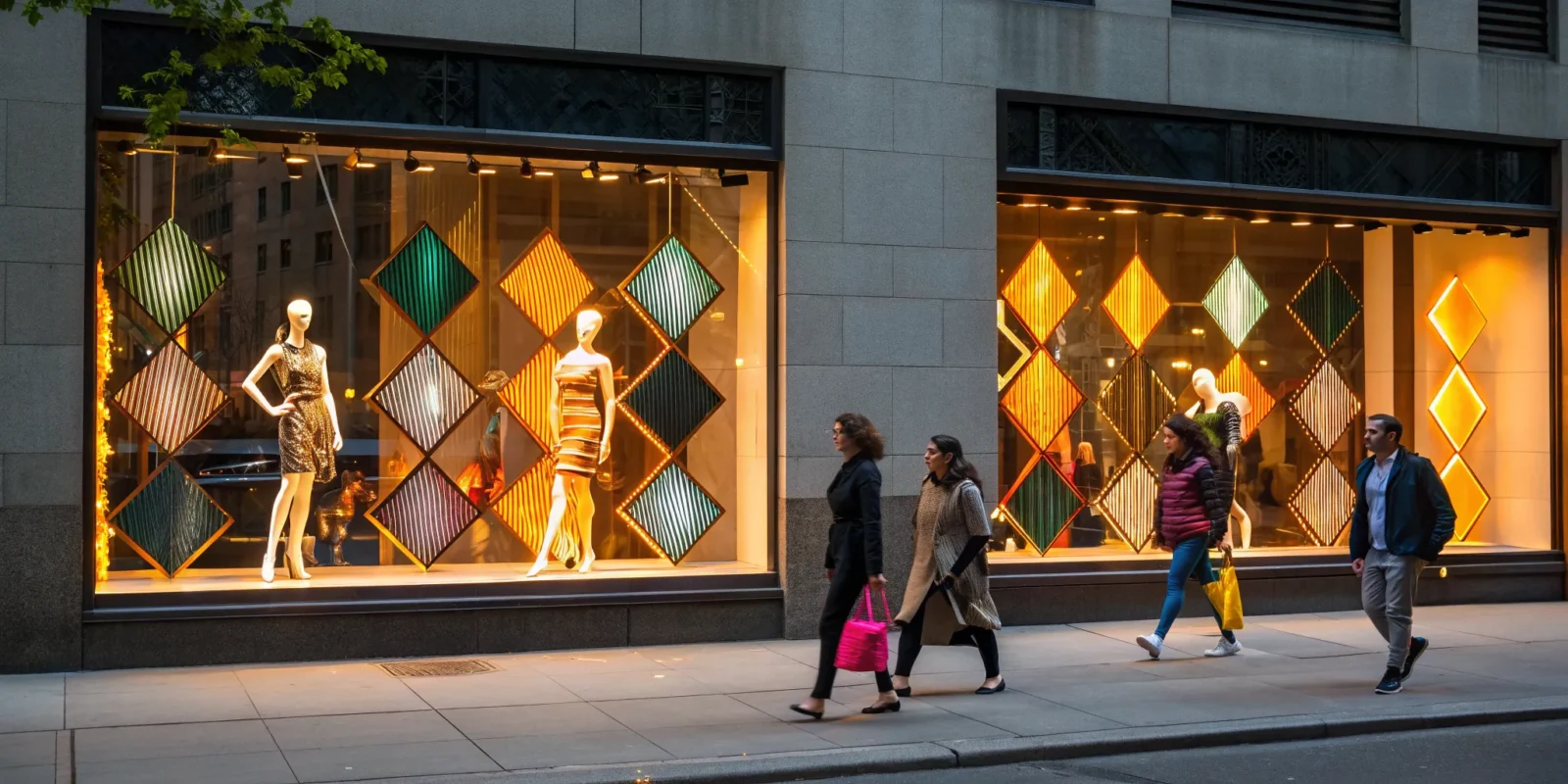
In a busy city like Portland, the sidewalk is a river of potential customers flowing right past your door. The biggest challenge for any brick-and-mortar business is figuring out how to stop that flow and guide people inside. The answer is often right in front of you: your storefront. Strategic store window design is one of the most powerful tools you have for capturing attention and increasing foot traffic. It’s about creating a visual interruption that’s so compelling, people can’t help but pause. This article breaks down how to turn your window from a simple pane of glass into a customer magnet, covering everything from core design principles to creative ideas that get results.
Key Takeaways
- Design with a single, powerful idea: A successful window display communicates one clear message instantly. Instead of overcrowding the space, use a strong focal point, a cohesive color scheme, and good lighting to tell a simple story that draws people in.
- Treat your window like a dynamic billboard: Your storefront should never become static background noise. Keep it fresh by planning regular updates for seasons, holidays, and special promotions to give both new and returning customers a reason to stop and look.
- Connect your window to your sales floor: A great design is only half the battle; you need to know if it’s working. Track changes in foot traffic and sales of featured products to understand what resonates with your audience and make data-driven decisions for your next display.
What is Store Window Design?
Think of your store window as your business’s first handshake. It’s the very first impression you make on someone walking by, and you have just a few seconds to convince them to step inside. Store window design is the art and science of arranging products, lighting, colors, and other visual elements in your storefront display. It’s not just about showing off what you sell; it’s about creating a scene that captures attention, tells a story, and sparks curiosity.
A great window display acts as a silent salesperson, communicating your brand’s personality and what customers can expect from your store. Is your brand fun and quirky, or sophisticated and elegant? Your window should reflect that. It’s a powerful marketing tool that works for you 24/7, turning a simple passerby into an interested browser, and an interested browser into a new customer. By strategically designing this small space, you create an invitation that’s hard for your ideal customer to ignore.
The Psychology Behind a Great Display
The most effective window displays do more than just look pretty—they tap into human psychology. They use a thoughtful mix of colors, shapes, lighting, and text to create a specific mood and connect with people on an emotional level. The goal is to make a shopper feel like your brand just gets them. A well-designed display can create a strong first impression that aligns with a customer’s personal style and aspirations, making them feel an instant connection to your products before they even walk through the door. This emotional resonance is a powerful factor in their decision to come inside and make a purchase.
Why Window Design is Crucial for Retail Success
Don’t underestimate the power of your storefront—it has a direct impact on your bottom line. An engaging and well-executed window display can increase foot traffic significantly, drawing more potential buyers into your store. In fact, some studies show that a compelling display can drive up to 23% more traffic. More people walking in means more opportunities for sales and a better chance to build lasting customer relationships. In a competitive retail landscape, a standout window display is not just a decorative choice; it’s a crucial part of your business strategy that helps you stand out and grow.
Key Principles of Effective Window Design
A truly great window display doesn’t just happen by accident. It’s a thoughtful blend of art and strategy, designed to catch the eye and tell a story in a single glance. Think of your window as the cover of your store’s book—it needs to be compelling enough to make someone want to open the door and see what’s inside. By focusing on a few core design principles, you can transform your storefront from a simple pane of glass into a powerful marketing tool. These fundamentals—balance, color, lighting, and focus—work together to create a display that feels professional, intentional, and, most importantly, inviting to potential customers walking by.
Create Balance and Composition
Balance is all about arranging elements so they feel stable and visually pleasing. It doesn’t mean everything has to be perfectly symmetrical, though a symmetrical display can create a sense of calm and order. You can also play with asymmetrical balance, where you might place one large item on one side and a few smaller items on the other. The key is to achieve harmony, making sure all the parts of your display work well together. Think about how the items relate to each other in size, shape, and placement. A well-composed display guides the eye smoothly through the scene you’ve created, rather than leaving it to jump around chaotically.
Use Color to Set the Mood
Color is one of the most powerful tools in your design kit because it communicates emotion instantly. The right color palette can set the entire mood for your display before a customer even registers what you’re selling. Are you going for excitement and urgency? Reds and oranges are your friends. A more serene, trustworthy vibe? Blues and greens work wonders. A great strategy is to stick to a limited palette of two or three complementary colors to create a cohesive look. You can introduce these colors through your products, props, or even custom-printed window graphics that serve as a stunning backdrop.
Master Your Lighting
Lighting does more than just illuminate your display; it creates atmosphere and directs attention. Good lighting can make your products pop and give your entire display a professional, high-end feel. Think about how you can use light to set the right mood to encourage buying. Use spotlights to highlight your hero products or a new arrival. You can also play with colored gels to wash your display in a specific hue that matches your theme. And don’t forget about after-hours! A well-lit window continues to work for you long after you’ve closed for the day, catching the eyes of people passing by at night.
Establish a Clear Focal Point
In the few seconds you have to grab someone’s attention, you need to give their eyes a place to land. That’s the job of a focal point. It’s the star of your display—the first thing people notice that draws them in for a closer look. A focal point can be your most exciting new product, a large, eye-catching prop, or a bold sign with a compelling message. The goal is to guide the viewer’s eye to the most important part of the display. Everything else in the window should support this main feature. Using effective advertising and media solutions like custom-cut signs or banners can be a simple yet powerful way to create a can’t-miss focal point.
How Do Window Displays Influence Customer Behavior?
Your storefront window isn’t just a piece of glass; it’s your first handshake with every person who walks by. Think of it as a silent salesperson, working 24/7 to tell your brand’s story and invite people inside. A well-executed window display does more than just show off your products—it taps into customer psychology to create curiosity, communicate value, and make a lasting impression. Before a customer even reads your sign or steps through the door, your window display has already started shaping their perception of your business.
An effective display can stop a hurried passerby in their tracks, transform a casual glance into genuine interest, and ultimately guide them into your store. It’s a powerful tool for communicating what you’re all about, whether you’re promoting a new collection, announcing a sale, or simply reinforcing your brand’s unique personality. By strategically using visuals, props, and messaging, you can directly influence how potential customers think and feel about your brand, turning the sidewalk into a direct path to your cash register. These displays are a key part of your overall advertising and media solutions, setting the stage for the entire customer experience.
Grab Attention in Three Seconds Flat
In a world full of distractions, you have about three seconds to capture someone’s attention. Your window display needs to be a visual interruption, something that makes a person stop, look, and reconsider their path. The goal is to create a display so engaging that it pulls people out of their routine. As one retail guide puts it, “The right window display design engages shoppers so they stop, look back, and enter your store.” This is your chance to make a bold first impression.
To do this, you need a strong visual hook. This could be a vibrant splash of color, a surprising or whimsical scene, or a single, dramatic focal point that draws the eye. The key is to create an immediate emotional response or spark a question in the viewer’s mind. Don’t try to tell your entire brand story at once; focus on one clear, compelling idea that can be understood in a single glance.
Turn Window Shoppers into Paying Customers
A great window display doesn’t just earn compliments; it drives sales. Its primary job is to convert passersby into active shoppers by creating a sense of urgency or desire. By showcasing your most appealing products or highlighting an irresistible offer, you can bridge the gap between casual interest and the decision to walk inside. Think of your display as the answer to a question a customer didn’t even know they had.
Some retail experts even use technology to track the eye movements of shoppers to see what captures their focus. You can apply the same principle by ensuring your display guides the eye toward a call to action. Whether it’s a featured product, a “Limited Time” offer communicated with a bold window cling, or a scene that makes people want to experience more, your display should always be gently nudging them toward the door.
Build Brand Recognition at a Glance
Beyond immediate sales, your window display is a powerful tool for building long-term brand identity. Every display is an opportunity to reinforce who you are. Consistent use of your brand’s colors, style, and voice helps create a memorable and recognizable presence in your community. Research confirms that attractive and effective window display designs positively influence consumer decisions, and a big part of that is building trust through a consistent brand image.
Even if someone doesn’t stop in today, a creative and professional display keeps your brand top-of-mind. It communicates your personality—are you modern and minimalist, warm and rustic, or playful and bold? Using high-quality large format graphics and signage ensures your brand looks polished and professional, making a lasting impression that builds recognition and encourages future visits.
Essential Elements of a Compelling Window Display
A truly magnetic window display is a careful mix of art and science. It’s not just about arranging your best products; it’s about creating a scene that tells a story and invites people to become part of it. When you get the core elements right, your window transforms from a simple pane of glass into a powerful marketing tool. Focusing on product placement, props, messaging, and use of space will give you a solid foundation for creating displays that consistently draw people in.
Place Your Products Strategically
Think of your window display as a silent salesperson. Its first job is to guide the eyes of a passerby directly to your star products. Create a clear focal point by placing your most important item at eye level. You can build a visual hierarchy around it using the rule of thirds or by arranging items in a pyramid shape. The goal is to create a visually appealing layout that feels balanced and intentional. A well-planned arrangement ensures your products get maximum visibility and clearly communicates your brand’s identity without a single word.
Select the Right Props and Accessories
Props are the supporting cast that helps your products shine. They add context, texture, and personality to your display, turning a simple product arrangement into an engaging scene. Don’t be afraid to get creative! You can use unexpected materials like books, plants, fabric, or even custom-printed graphics to build a unique atmosphere. The key is to choose props that enhance your theme and support the story you’re telling. Make sure they complement your products rather than competing with them for attention. The right accessories can make your display memorable and shareable.
Craft Clear Signage and Messaging
Your display might catch their eye, but your signage tells them what to do next. Clear, concise messaging is non-negotiable. A beautiful window promoting a sale is useless if no one knows about the discount. Use bold, easy-to-read fonts and high-contrast colors to make your message pop. Whether you’re announcing a new collection, a special offer, or simply sharing your brand’s tagline, your signs should be legible from the sidewalk. High-quality advertising solutions ensure your message is professional and compelling, encouraging people to step inside and learn more.
Make Smart Use of Your Space
A common mistake is thinking a great display means a full display. In reality, clutter is the enemy of focus. Embrace negative space—the empty areas around your products and props. This breathing room helps draw attention to your focal points and gives your display a more sophisticated, high-end feel. Use height to your advantage with pedestals or hanging elements, and create depth by layering items from front to back. A custom large format backdrop can define your space and add a professional touch, making the entire scene feel cohesive without looking crowded.
Creative Window Display Ideas That Stop Traffic
Ready to move beyond simply placing a few products in your window? A truly effective display is an experience. It’s your chance to be bold, show off your brand’s personality, and create a moment of connection with people walking by. The goal is to make them pause, look closer, and feel an urge to step inside. Think of your window as a stage and your products as the stars. With the right concept and high-quality advertising solutions, you can create a scene that’s impossible to ignore. Here are a few ideas to get your creative wheels turning.
Embrace Seasonal and Holiday Themes
Tapping into seasons and holidays is a classic strategy because it works. It makes your store feel relevant and timely, creating an instant connection with shoppers. But you can go beyond just a few festive props. Think about creating a complete, immersive scene. For spring, you could design a lush garden with vibrant floral backdrops and window clings. For winter, you might build a cozy cabin scene. The key is to create a display that makes people “‘stop and stare’ in wonder,” as noted by retail experts. These themes offer a perfect opportunity to celebrate seasons and create a memorable visual moment that draws customers in.
Get Interactive with Technology
Adding an interactive element can turn a passive glance into active engagement. You don’t need a massive budget for this. A simple, well-placed QR code printed on a window decal can lead shoppers to a special discount, a new product video, or an exclusive online collection. This simple tool bridges the gap between your physical storefront and your digital presence. By encouraging people to pull out their phones, you invite them to interact with your brand on the spot. This kind of engagement provides a modern touch and helps you measure the success of your display by tracking link clicks.
Make an Impact with Minimalism
Sometimes, the most powerful statement is the simplest one. A cluttered window can be overwhelming and confusing, causing people to look away. Instead, try a minimalist approach. Focus on a single product, a bold graphic, or a striking color palette. This strategy relies on clean lines and a clear focal point to draw the eye. A single, stunning piece of large format printing, like a floor-to-ceiling graphic, can create a dramatic effect that a dozen smaller items can’t match. Remember, a “bold, clear, visually balanced” design that aligns with your brand is always a winning strategy.
Tell a Story with Visuals
The most compelling window displays do more than just show off products—they tell a story. Think about the lifestyle or feeling you want your customers to associate with your brand. Are you about adventure, comfort, or sophistication? Use your products and props to build a narrative. A boutique could set up a scene of a Parisian café, while an outdoor gear shop might recreate a campsite under the stars. This approach helps you create displays that “trigger emotions and make shoppers feel understood.” When you tell a story, you’re not just selling an item; you’re selling an experience.
How Often Should You Update Your Window Display?
One of the most common questions I get is about the right timing for a window display refresh. The honest answer? It depends. There isn’t a magic number, but the goal is to keep your storefront from becoming part of the scenery. You want to give regulars something new to see and catch the eye of first-time passersby. If your display sits unchanged for too long, people will start to look right past it. A good rule of thumb is to change things up every month or two, but you can fine-tune that schedule based on seasons, sales, and your budget.
Plan a Seasonal Rotation Schedule
Aligning your window displays with the seasons is a classic strategy for a reason—it works. People are already in the mindset of changing weather, holidays, and seasonal activities, so your display feels immediately relevant. Think beyond the big four seasons. You can create displays for Valentine’s Day in February, Mother’s Day in May, back-to-school in August, and the winter holidays. Planning a calendar for the year helps you stay ahead. This approach ensures your storefront always feels fresh and timely, using seasonal banners and backdrops to capture the mood of the moment and connect with customers’ lives.
Refresh for Events and Promotions
Beyond the seasonal calendar, your own business events should dictate display changes. Are you launching a new product? Running a major sale? Celebrating a store anniversary? These are all perfect opportunities for a dedicated window display. A well-timed promotional window acts as a giant billboard for what’s happening inside your store, creating urgency and excitement. Use bold promotional signage to announce your event clearly. This strategy makes your window an active part of your marketing efforts, turning it into a powerful tool for driving traffic for specific campaigns.
Consider Your Budget
Let’s be realistic: a complete window overhaul every month can be costly and time-consuming. But you don’t need a Hollywood-level budget to keep things interesting. Smart planning makes all the difference. Invest in versatile, high-quality props that you can reuse in different arrangements. Sometimes, a simple change, like swapping out the vinyl lettering on the glass or adding new accent lighting, can have a huge impact. You can find a wide range of affordable print materials that allow for frequent updates without breaking the bank. The key is consistency, not extravagance. A clean, clever, and regularly updated display will always outperform a complicated one that gathers dust.
How to Measure Your Window Display’s Effectiveness
You’ve put in the creative work, and your window display looks fantastic. But is it actually doing its job? Measuring the effectiveness of your design is the only way to know for sure. It helps you understand what resonates with your audience so you can refine your approach and get even better results next time. It’s not just about making a sale the moment someone walks in; it’s about understanding how your window influences behavior, from a curious glance to a first-time purchase.
Tracking performance doesn’t have to be complicated. By focusing on a few key metrics, you can get a clear picture of your return on investment and make data-driven decisions for future displays. Let’s walk through four straightforward ways to measure your success.
Track Foot Traffic and Engagement
The first job of a window display is to get people to stop and look. Are they pausing, or just walking by? You can start with simple observation. Spend some time watching how people interact with your window. A more advanced method involves using technology like foot traffic counters or sensors to get precise data on how many people pass by versus how many enter your store. Some consultants even use software to track eye movements, showing exactly which parts of your display capture the most interest. This tells you if your focal point and overall design are truly grabbing attention.
Correlate Displays with Sales
Ultimately, you want your window display to drive sales. The most direct way to measure this is to track the sales of the products featured in your window. Compare sales data from the week before the display went up to the weeks it’s active. Did you see a lift? If your display promotes a general sale or your brand as a whole, look at your overall store sales. An engaging window display can increase foot traffic, which gives your sales team more opportunities to connect with customers and close sales. Your window gets them in the door; your team helps them leave with a purchase.
Gather Customer Feedback
Quantitative data like sales numbers are crucial, but qualitative feedback provides the “why” behind the numbers. Don’t be afraid to simply ask customers what they think! When a new customer comes in, you or your staff can ask, “What brought you in today?” You might be surprised how many mention your window. You can also gather feedback through social media by posting a picture of your display and asking for opinions. This direct input is invaluable for understanding what messages and visuals are resonating with your community and helps you create even better custom signage for your next campaign.
A/B Test Different Concepts
If you want to get more strategic, try A/B testing your display concepts. This involves creating two different versions of a display and running them for an equal amount of time. For example, you could test two different color schemes or two different promotional offers. Track foot traffic and sales for each version to see which one performs better. By keeping all other factors (like weather and time of year) as consistent as possible, you can get a clear idea of which creative choices have the biggest impact. This method allows you to continuously improve your strategy based on real-world results.
Tools and Tech to Enhance Your Window Design
A brilliant idea is one thing, but bringing it to life requires the right equipment. The tools and technology you use are the bridge between your concept and a display that actually stops people in their tracks. From the foundational hardware that holds everything together to the lighting that sets the mood and the digital elements that add a modern touch, every piece plays a critical role. Investing in the right gear helps you build a more professional, effective, and engaging window display. It allows you to create a scene that not only looks great but also functions perfectly to showcase your products and your brand’s personality. Think of these tools not as an expense, but as an investment in your store’s first impression. When you have a solid toolkit, you have the flexibility to experiment, update, and consistently create displays that draw people in.
Essential Display Fixtures and Hardware
Fixtures and hardware are the unsung heroes of your window display—the skeleton that gives it structure and form. This includes everything from mannequins and shelving to risers, racks, and custom-built platforms. The key is to choose fixtures that align with your brand’s identity and don’t overshadow the products themselves. When you’re planning your layout, think about how you can strategically position products for maximum visibility and appeal. The right hardware helps you create depth, guide the viewer’s eye, and tell a compelling story. These foundational pieces work hand-in-hand with your printed materials, like custom backdrops and large format graphics, to create a cohesive and inviting scene.
The Right Lighting Equipment
Lighting is one of the most powerful tools in your visual merchandising arsenal. It does more than just illuminate your products; it creates atmosphere, directs focus, and can completely transform the look and feel of your display. A strategic combination of color, light, and texture is a proven technique to increase foot traffic and make your storefront stand out. Use spotlights to highlight hero products, colored gels to evoke a specific mood, or backlighting to create a dramatic silhouette. Don’t be afraid to play with shadows and contrast. Good lighting makes colors pop, adds dimension, and ensures your window is just as eye-catching at night as it is during the day.
Modern Digital Signage Solutions
Incorporating digital screens into your window display can add a dynamic, modern edge that static displays can’t match. Digital signage allows you to showcase multiple messages, run video content, or feature animated graphics that are sure to catch the eye of passersby. It’s an incredibly flexible tool for announcing flash sales, showing products in use, or sharing customer testimonials. Beyond the visual appeal, many digital signage solutions offer analytics that can help you measure the impact of your displays on foot traffic. This data gives you valuable insight into what’s working, so you can refine your strategy and make every display more effective than the last.
Common Window Design Mistakes to Avoid
Even with a brilliant concept, a few common slip-ups can keep your window display from reaching its full potential. The good news is that they’re all easy to fix. Let’s look at some frequent missteps and how to sidestep them for a display that truly connects.
Overcrowding the Space
It’s tempting to show off everything you offer, but a cluttered window can overwhelm passersby, making it hard for them to focus on any single item. Think of your window as a billboard, not a storage closet. The goal is to send one clear, compelling message. Creating a visually appealing layout means giving your products room to breathe. Use negative space to your advantage and select just a few hero products to feature. A single, stunning graphic backdrop can often make a bigger impact than a dozen small items vying for attention.
Using Poor Lighting
Don’t let your beautiful products get lost in the shadows. Poor lighting can make your display feel gloomy and uninviting, diminishing the appeal of your merchandise. Great lighting, on the other hand, brings your display to life. An effective window display design uses a strategic combination of light, color, and texture to capture attention. Use spotlights to highlight your focal point, ensure the display is visible after dark, and play with colored lights to create a specific mood. The right lighting makes your products look their best and draws people in from across the street.
Forgetting Regular Maintenance
A window display has a shelf life. What was fresh and exciting last month can feel stale and dated today. Dust, faded signs, or a display that’s been up for too long sends a message that you’re not paying attention to the details. Since engaging displays can significantly increase foot traffic, it’s worth keeping things fresh. Schedule regular updates, whether it’s a full seasonal change or a small refresh for a weekend promotion. Swapping out banners and signage is a simple, cost-effective way to keep your storefront looking current and give people a new reason to stop and look.
Ignoring Your Target Audience
A beautiful display is great, but an effective display speaks directly to your ideal customer. If your design doesn’t resonate with the people you want to attract, it won’t do its job. Before you start arranging props, think about who you’re trying to reach. What are their tastes, values, and pain points? A display for a high-end boutique will look very different from one for a playful children’s store. Understanding your target audience is the key to creating a scene that not only catches their eye but also makes them feel like they’ve found exactly what they’re looking for.
Related Articles
- Window Graphics | Printworks | We’ve got you covered!
- POP-UP DISPLAYS | Printworks | We’ve got you covered!
- Small Format Printing | Printworks | We’ve got you covered!
- Wall Displays | Printworks | We’ve got you covered!
- How to Order | Printworks | We’ve got you covered!
Frequently Asked Questions
What if I have a tiny window or very little space to work with? A small space is an opportunity to be focused and creative. Instead of trying to fit multiple ideas in, concentrate on making one powerful statement. Use height to your advantage with hanging elements or create depth by layering a few key items. A single, bold window graphic or a beautifully lettered message can have a much bigger impact in a small window than a collection of small props. Think of it as a spotlight on your single best idea.
Do I need a big budget to create an effective window display? Not at all. Creativity and a clear strategy will always be more effective than a huge budget. Some of the most memorable displays are built on a simple, clever concept. You can make a significant impact by focusing on good lighting, a clean layout, and a single focal point. Investing in one high-quality element, like a professional sign or a custom backdrop, can make the entire display feel polished without requiring a massive overhaul.
My products aren’t very ‘visual.’ How can I create an interesting display? This is a great chance to sell the feeling or the result of your product, rather than the item itself. Use your window to tell a story. You can use large, compelling photographs of your products in action or create a scene with props that evokes the lifestyle you’re selling. Clear, powerful messaging on window clings or signs can also do the heavy lifting, communicating the benefits and value in a way that sparks curiosity.
How do I know if my display is too simple or too cluttered? A great way to check is with the “three-second rule.” Step outside and glance at your window for just three seconds. Can you instantly understand the main message or identify the focal point? If your eye doesn’t know where to land, you might have too much going on. If nothing catches your attention, it might be too simple. A well-balanced display guides the viewer’s eye to one key area, making a clear and immediate impression.
Should my window display match my social media and other marketing? Yes, absolutely. Consistency is crucial for building a recognizable brand. Your window display is a physical touchpoint in your overall marketing strategy. Using the same color palettes, fonts, and messaging that you use on your website or in your social media campaigns creates a seamless experience for your customers. It reinforces who you are and makes your brand more memorable, whether people see you online or on the street.