
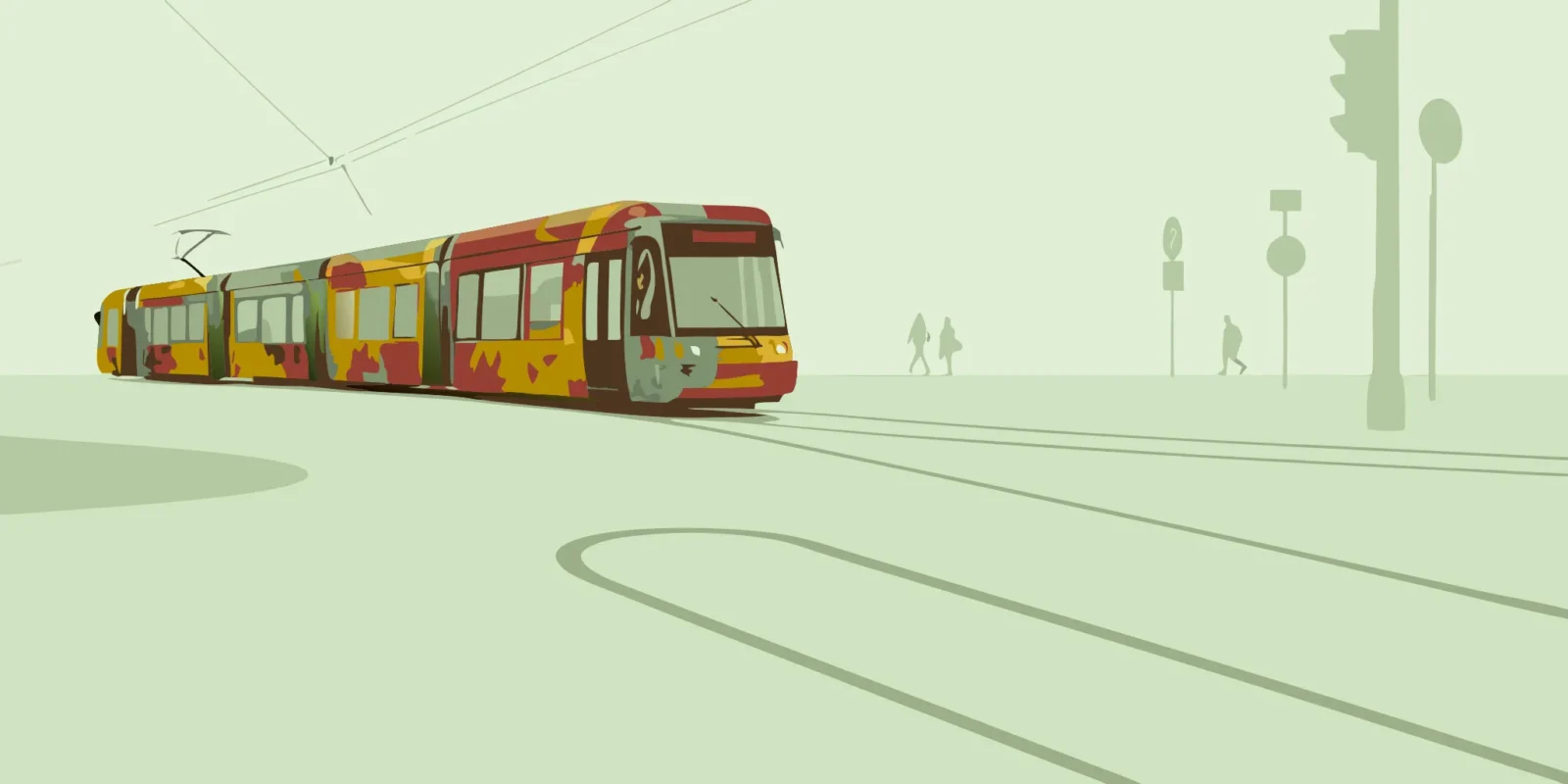
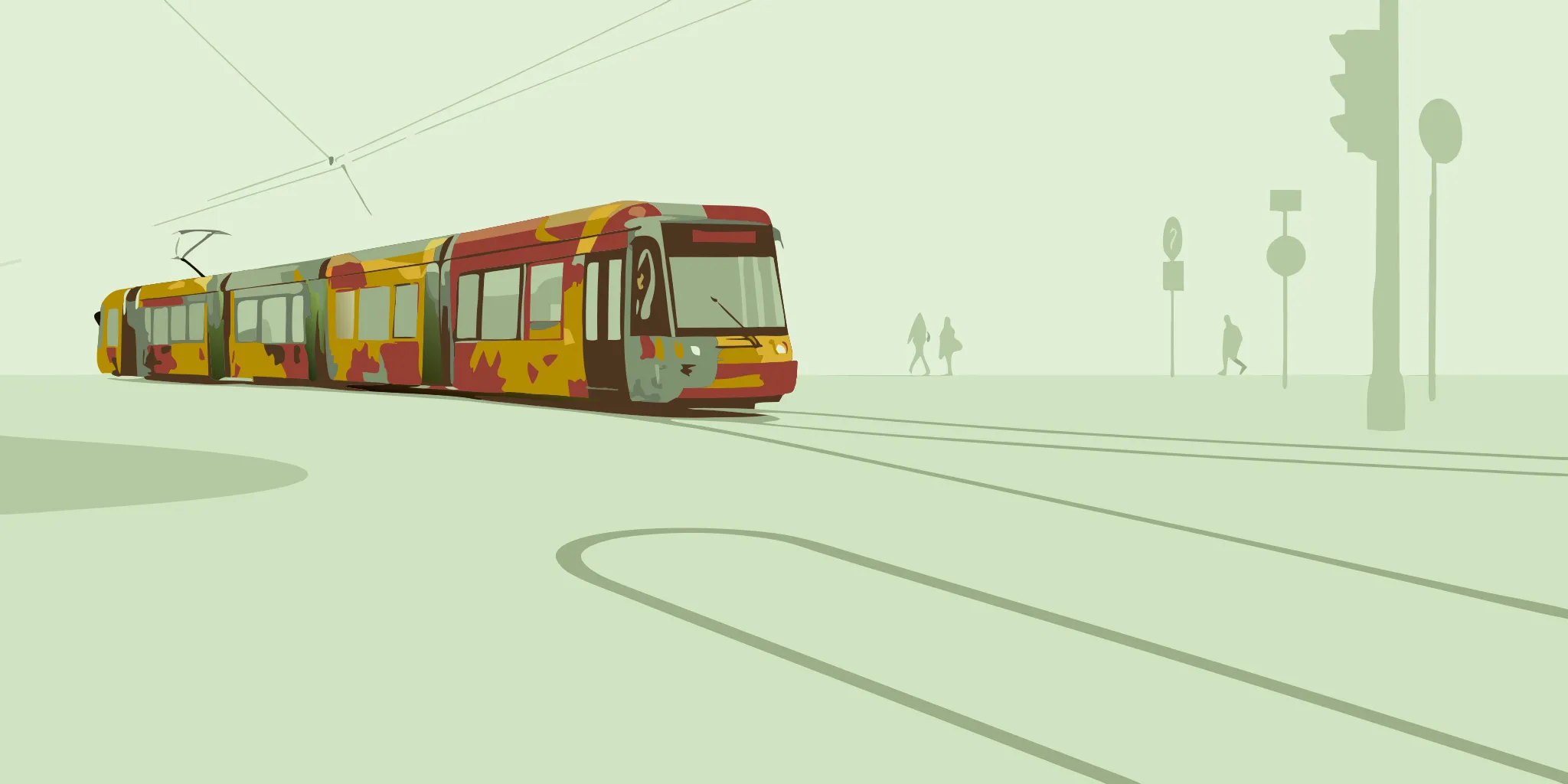
Transit advertising graphics operate in one of the most demanding environments for printed media. A full-color bus wrap or interior car card is exposed to rain, road grit, UV radiation, mechanical wash systems, and temperature swings on a daily basis. Municipal buyers and fleet managers who understand the production requirements behind these graphics get longer campaign life, better brand consistency, and fewer mid-cycle replacements.
Transit Advertising Graphics: Selecting the Right Exterior Materials
Transit advertising graphics must survive tough outdoor weather while keeping a clean and bright look. Buses and light rail cars travel through harsh environments every day. The right material foundation determines how long your campaign stays vibrant on the road. Outdoor transit graphics need high-performance weather-resistant vinyl paired with UV-protective overlaminates and removable adhesives. APM PrintWorks produces these graphics starting at $450 with a 5 to 7 business day turnaround for Portland-area fleets.
Here is a comparison of the most common material choices for transit advertising graphics:
| Material Type | Best Use | Durability | Application Surface |
| High-Performance Cast Vinyl | Exterior bus and rail wraps | 3-6 years with UV overlaminate | Full vehicle coverage, curved panels |
| Calendered Vinyl | Short-term exterior campaigns | 1-3 years | Flat or slightly curved surfaces |
| Mesh Banner Vinyl | Over-window exterior graphics | 2-4 years | Window areas requiring see-through visibility |
| .020-.030 Styrene | Interior overhead car cards | 5+ years indoors | Bus track mounting systems |
| 100/110# Cardstock + 5mil Laminate | Short-term interior placements | 3-12 months | Overhead tracks, campus partners |
| Corrugated Plastic | Transit station and shelter signage | 1-2 years | Outdoor stations, freestanding displays |
Choosing the correct material for your transit advertising graphics depends on the vehicle type, campaign duration, and exposure conditions. Exterior wraps on fleet buses that operate year-round demand the highest grade cast vinyl with UV protection. Short promotional campaigns on select vehicles can use calendered vinyl at a lower cost. Interior placements benefit from rigid styrene for long runs or laminated cardstock for seasonal rotations.
Weather-Resistant Vinyl Foundations
Outdoor displays face many hazards on Portland roads. Applying full-bus wraps and other transit advertising solutions requires high-performance, weather-resistant vinyl. This material keeps colors sharp and prevents print tearing under constant UV exposure and vibration. Heavy wind, rain, and road debris can cause thin vinyl to peel or tear. APM PrintWorks uses cast vinyl specifically engineered to resist these daily forces and maintain its appearance through thousands of miles of service.
UV Overlaminates and Substrate Matching
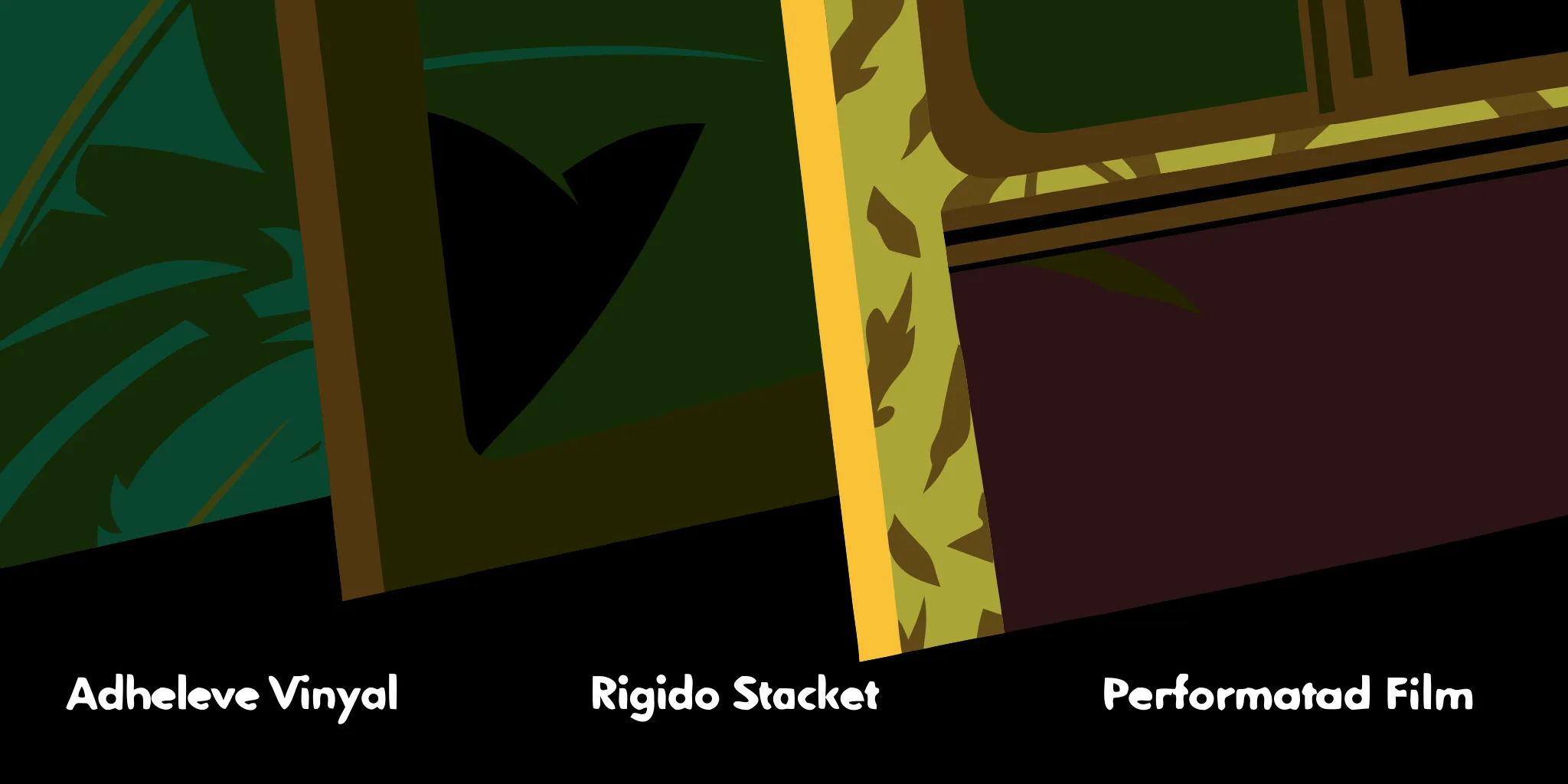
Different parts of a transit vehicle need different adhesive backings. Windows require perforated vinyl, while steel panels need high-bond adhesive. Sun exposure is another major threat. Applying UV-protective overlaminates prevents color fading that can turn bright ink to gray in just a few months. Without this protective layer, the campaign investment erodes quickly. Matching the adhesive to the vehicle substrate ensures the graphics stay intact for the full campaign term.
How Do You Maintain Color Consistency Across a Fleet?
A major campaign across a bus fleet needs to look perfect on every single vehicle. If colors do not match from bus to bus, brand equity suffers. Strict color management and calibration checks are essential when printing transit advertising graphics for a multi-vehicle fleet.
Color consistency across a fleet demands vector art files at minimum 300 dpi resolution, daily calibrated print hardware, and pre-production proofing. APM PrintWorks uses twelve years of color management experience to ensure every transit graphic matches your brand specifications. This level of precision matters because a mismatch across even two buses in a fleet can make a campaign look unprofessional and erode advertiser confidence.
- Resolution and file standards: Transit agencies require a minimum 300 dpi resolution. Vector PDF files scale to any size without detail loss, ensuring small text and logos remain sharp at full vehicle-wrap dimensions.
- Calibrated workflows: Daily hardware calibration against your exact brand color codes keeps colors stable across different production runs so the first and last bus in a fleet look identical.
- Registration and proofing: Large transit graphics arrive in separate panels that must align perfectly across doors, windows, and body seams. Visual proofs catch alignment errors before full production begins, preventing costly reprints.
Interior Transit Signage: Styrene, Cardstock, and Rigid Media
Inside buses and light rail cars, posters face constant handling and environmental exposure. Choosing the right substrate keeps your campaign looking sharp for its full term while controlling costs. Interior transit graphics must be trimmed to exact physical sizes so they fit into overhead bus frames without buckling or leaving gaps.
Styrene for Long-Term Durability
For campaigns running many months, styrene at .020 to .030 inches thickness is the preferred durable choice. This rigid plastic sheet slides into track mounting systems and will not warp when temperatures change. Interior styrene panels from APM PrintWorks start at about $12 each and are ideal for year-long municipal campaigns, transit system branding, and route map placements.
Laminated Cardstock for Short-Term Campaigns
Standard cardstock of 100# or 110# weight provides a cost-effective option for seasonal promotions and event-based advertising. A 5 mil laminate on both sides shields the print from humidity and prevents tears during handling and installation. Laminated cardstock starts at about $6 per unit. Both options ship within five business days from the APM PrintWorks Beaverton facility.
Exact Sizing for Overhead Tracks
Common interior advertising sizes include 11 by 34 inches and 11 by 51 inches. The finished physical size must be exact, including the trimmed lamination at the edges. Keep all key text, logos, and phone numbers at least 0.5 inches from the top and bottom edges to account for track frame coverage. This safety margin prevents important content from being hidden by the mounting hardware.
Fleet-Scale Version Control and Campaign Coordination
Running large transit advertising graphics campaigns requires deep planning and tight control over print assets. When managing multiple campaigns across a city simultaneously, keeping track of every sign and its placement is vital. The logistics of a multi-vehicle rollout demand coordination between the print shop, the advertising agency, and the transit authority scheduling team.
Here are the key coordination steps for fleet-scale campaigns:
- Build a production buffer. Print extra units beyond the exact fleet count. For a 49-bus fleet, print 50 units to have a quick backup if damage occurs during installation or service. This spare stock keeps the campaign looking complete even when individual vehicles need panel replacements.
- Align with fleet maintenance cycles. Crews can only apply vinyl when buses are out of service, typically late nights or weekends. Work with transit managers to schedule during these windows to avoid pulling revenue vehicles off their routes.
- Document every placement. Print small codes on the edge of each panel to mark the campaign and target bus. This labeling system makes it easy for transit crews to find and replace worn pieces quickly without having to measure or guess which panel goes where.
Clear version tracking also helps when multiple advertisers share the same fleet. If one campaign ends mid-cycle and a replacement needs to go up on specific buses, the documentation tells the installation crew exactly which vehicles to target and which panels to remove.
Installation Scheduling and Surface Preparation
Putting large transit advertising graphics on buses requires careful timing and surface preparation. APM PrintWorks handles the full process from the Beaverton shop to prevent installation errors. A successful installation starts with the vehicle surface and the environment where the graphics are applied.
Thorough surface cleaning and degreasing come first. The vehicle surface must be fully free of dirt, wax, and road grime before any adhesive vinyl is applied. Any contamination trapped under the vinyl creates a weak bond that leads to edge lifting and premature failure. Installation takes place in a warm, climate-controlled room to achieve the best adhesive bond. Cold or damp air compromises adhesion and leads to wear on the road within weeks rather than years.
Every printed panel must follow strict layout rules. A 0.5-inch safety margin at the top and bottom prevents metal mounting frames from covering important text, phone numbers, or logos. Transit advertising graphics must not obscure safety signage, exit indicators, or critical vehicle equipment. Municipal transit authorities inspect each installation for compliance before the vehicle returns to service.
APM PrintWorks coordinates installation scheduling directly with transit depot managers to minimize vehicle downtime. By grouping installations by garage location and scheduling them during planned maintenance windows, the process adds no extra out-of-service time for the fleet. This approach keeps campaigns on schedule without disrupting transit operations.
Maintenance, Inspection, and Replacement Lifecycle
Keeping transit advertising graphics in top condition requires scheduled inspections and proactive replacement. Clean, bright prints protect your brand image and keep your message clear to the public. A maintenance plan that includes regular checks and pre-planned replacements extends campaign life and reduces the total cost of advertising on transit vehicles.
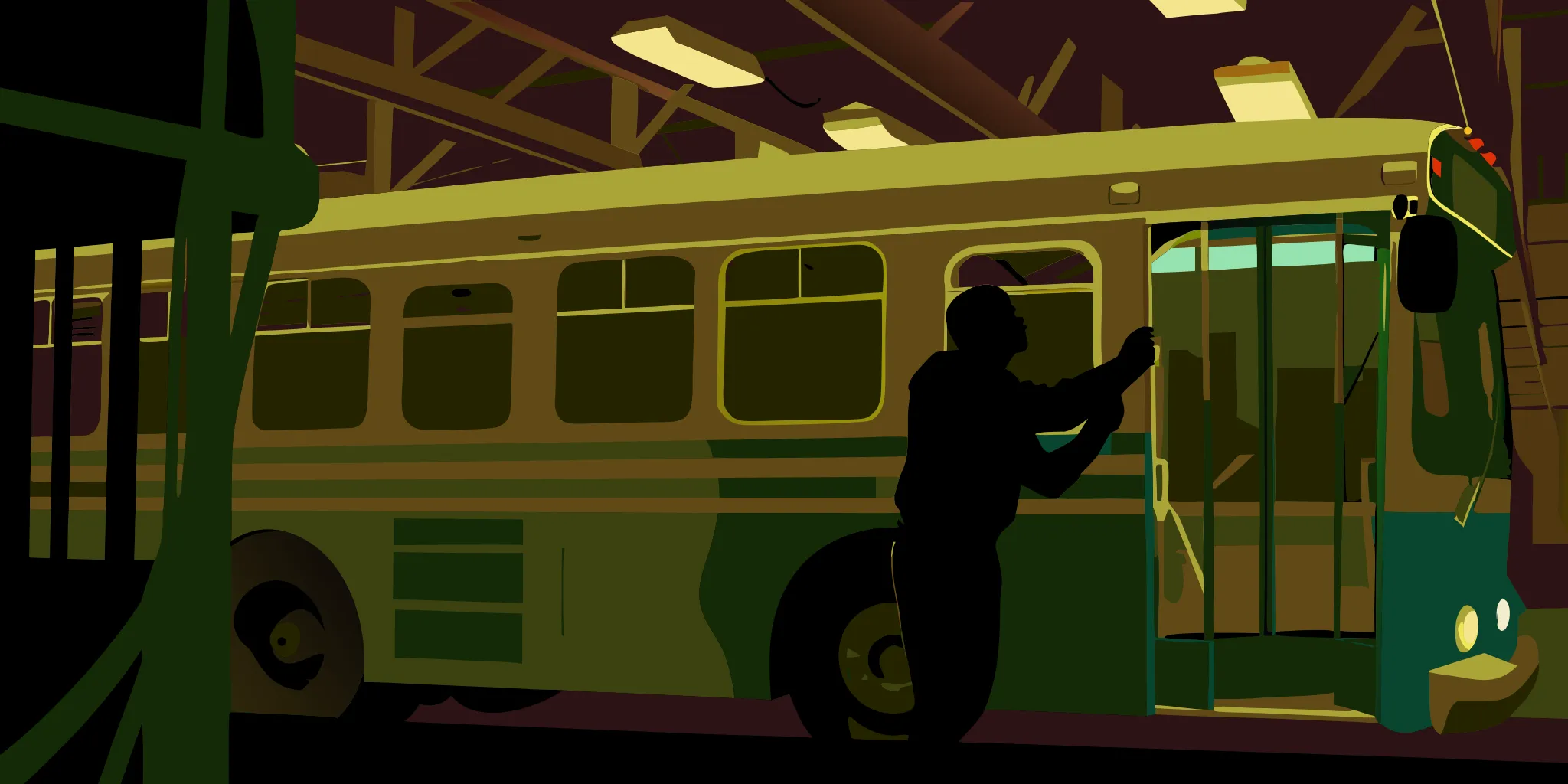
- Road hazards: Portland rain, road grime, and constant mechanical vibration threaten exterior wraps. A UV overlaminate on all outdoor transit work blocks sun damage and prevents premature color fading that would otherwise make graphics look tired before the campaign term ends.
- Scheduled inspections: Weekly checks for fading, peeling, or vandalism catch small damage before it becomes expensive. Many transit systems charge a replacement service fee around $200 to swap out damaged panels, so catching a peel early avoids repeated fees on the same bus.
- Clean removal: At the end of a campaign, removable adhesive technology allows graphics to come off cleanly without residue or surface damage. This protects the fleet paint and reduces labor costs during changeovers. The same surface preparation process starts fresh for the next campaign.
Frequently Asked Questions
What materials are used for transit advertising graphics?
Exterior transit graphics typically use high-performance cast vinyl with UV-protective overlaminates for durability against weather and road conditions. Interior graphics use either .020-.030 inch styrene for long-term campaigns or 100/110# laminated cardstock for short-term placements. Corrugated plastic is common for transit station and shelter signage.
How is color consistency maintained across a fleet?
Color consistency is achieved through calibrated production workflows that use the same ICC profiles, substrate specifications, and print settings across every production run. Professional printers provide color-calibrated proofs before full production and use spectrophotometers to verify that each run matches the approved proof.
How long do transit advertising graphics last?
With proper materials and installation, exterior transit advertising graphics can last 3 to 6 years depending on climate and exposure. UV-protective overlaminates significantly extend graphic life in high-sun environments. Regular maintenance inspections help catch problems early and extend the effective life of the campaign.
Do transit advertising graphics damage vehicle paint?
No, when installed and removed correctly. Transit advertising graphics use removable adhesive technology that leaves no residue or surface damage upon removal. Professional installation on properly cleaned and prepared surfaces protects the underlying paint.
What safety margins are required for interior transit signage?
Interior transit signage typically requires a 0.5-inch safety margin at the top and bottom to prevent important content from being covered by the bus sign frame. No important text, phone numbers, or logos should be placed inside these margin areas.
Ready to Produce Your Next Transit Campaign?
Transit advertising graphics production demands expertise across material science, color management, fleet logistics, installation, and long-term maintenance. APM PrintWorks brings all of these capabilities together under one roof in Beaverton, Oregon, serving the greater Portland metropolitan area.
Whether you are launching a new municipal fleet campaign, refreshing existing transit advertising graphics across a multi-vehicle rotation, or planning your first transit advertising initiative, schedule a consultation with APM PrintWorks today. Call (503) 924-6168 to discuss your transit advertising graphics requirements and get a custom quote for your next campaign.