Transit advertising graphics turn city buses, light rail cars, and station signage into high-impression marketing assets that reach thousands of daily commuters across the Portland metro area. From artwork preparation and material selection through printing, installation, and multi-vehicle consistency, the production process demands technical precision at every stage. APM PrintWorks brings over 20 years of verified transit experience to help agencies and campaign teams produce durable, compliant graphics that perform on the road. Contact our Beaverton team today to discuss your next transit campaign and request a custom quote.
Transit advertising graphics use large-format digital printing to produce bus wraps, interior car cards, and station signage that meet strict transit authority standards. The process spans design and file preparation, material selection, digital printing, quality inspection, and professional installation. APM PrintWorks in Beaverton, Oregon, handles the full workflow with seamless printing up to 150 feet, five-to-seven-day turnaround, and nationwide installation services for fleets of any size.
The Transit Advertising Graphics Production Process
Producing transit advertising graphics requires a structured workflow that begins with file preparation and ends with a vehicle-ready print. Each step preserves color accuracy, dimensional fit, and material durability so the final graphic performs under real-world conditions.
Design and File Setup
Every transit graphic starts with a properly prepared design file. APM PrintWorks recommends an InDesign package for full vehicle wraps to keep all fonts, linked images, and color profiles intact. For smaller signs, a press-ready PDF with a 0.25-inch bleed on all sides ensures clean trimming with no white edges. All files require a minimum of 300 DPI resolution to keep text and logos sharp at large sizes. Files must use CMYK color mode rather than RGB, because RGB colors shift when converted for commercial printing presses. Converting RGB files to CMYK at the press stage can produce unexpected color shifts that require costly reprints. So submitting files in the correct color space from the start saves both time and budget.
Production Steps
- Art file review. Our prepress team checks every file for resolution, bleed, and color accuracy before the print run begins. Any issues are flagged and returned for correction before ink touches substrate.
- Template placement. Art is overlaid on a vehicle-specific template to verify that logos, text, and key visuals avoid doors, windows, and panel seams. This step prevents costly reprints caused by misplaced graphics.
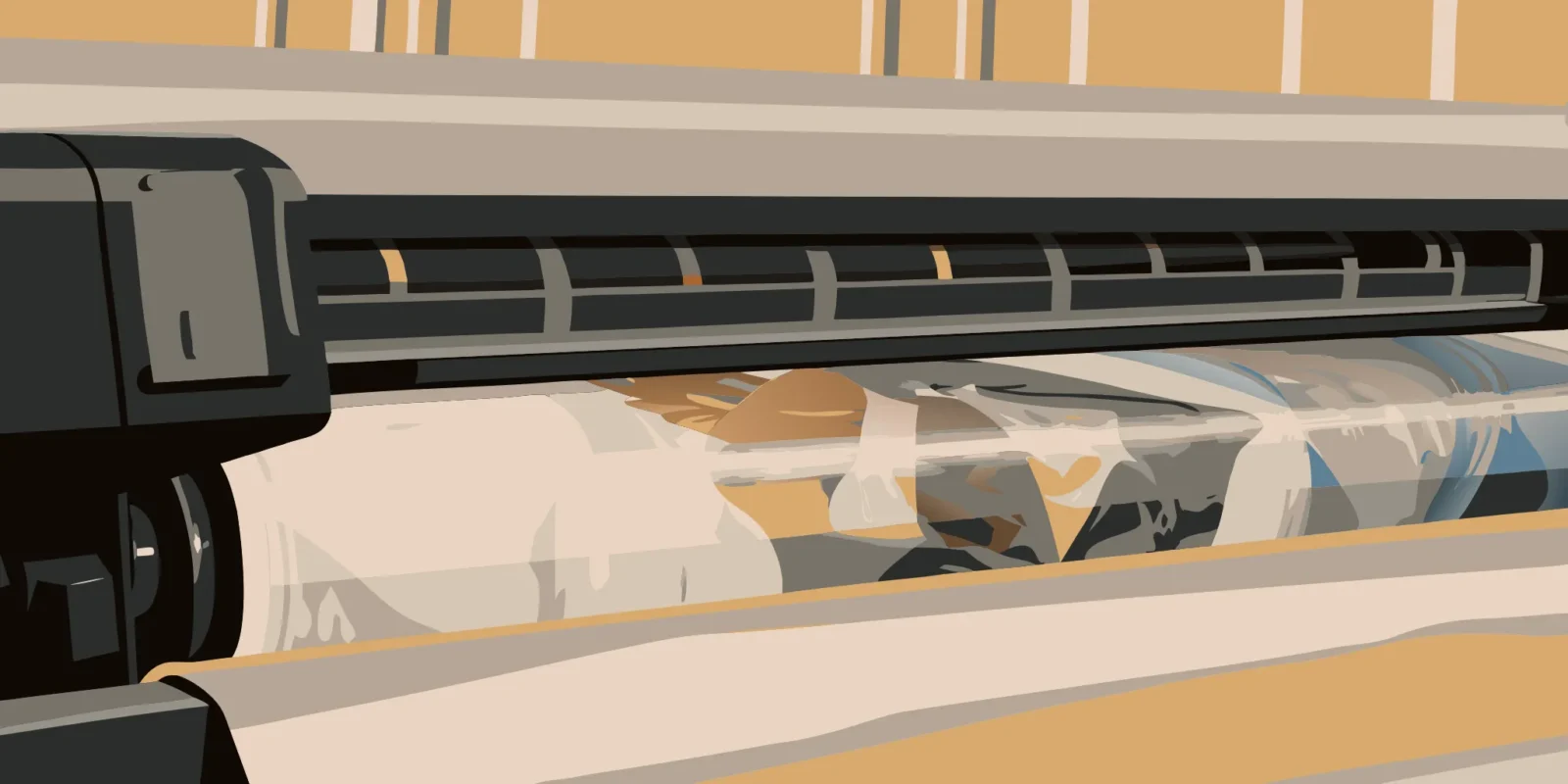
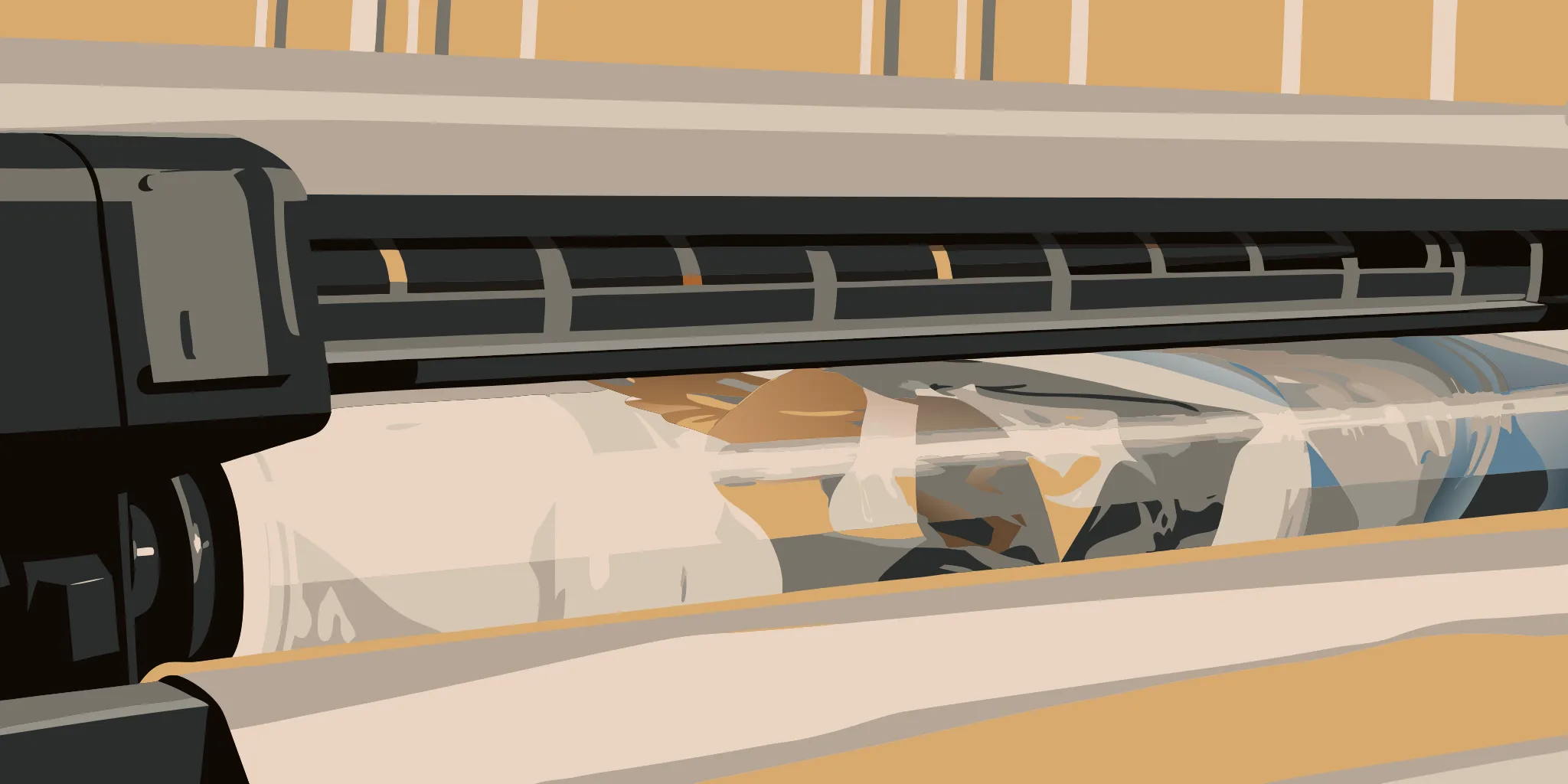
- Digital print run. State-of-the-art wide-format presses produce the graphics with consistent color across every panel in the run. Calibration checks occur at regular intervals to catch drift early.
- Overlaminate application. A protective clear coat is applied to shield the ink from UV exposure, road salt, and Pacific Northwest rain. This layer also adds scratch resistance during bus wash cycles.
- Final quality inspection. Every print is inspected for registration accuracy, color fidelity, and edge quality before it ships or moves to installation. Prints that fail inspection are pulled and reprinted at no additional cost to the client.
Color Management for Brand Consistency
Maintaining consistent brand colors across a campaign is nonnegotiable. Digital color management tools monitor ink density and press calibration throughout the run, so the first print matches the last. This precision matters most when adding new vehicles to an existing campaign months later.
What Materials Work Best for Transit Advertising Graphics?
Material selection directly affects how long a transit graphic stays readable and intact on the road. Each application environment inside a bus versus on an exterior panel demands different substrate properties.
Adhesive Vinyl for Exterior Wraps
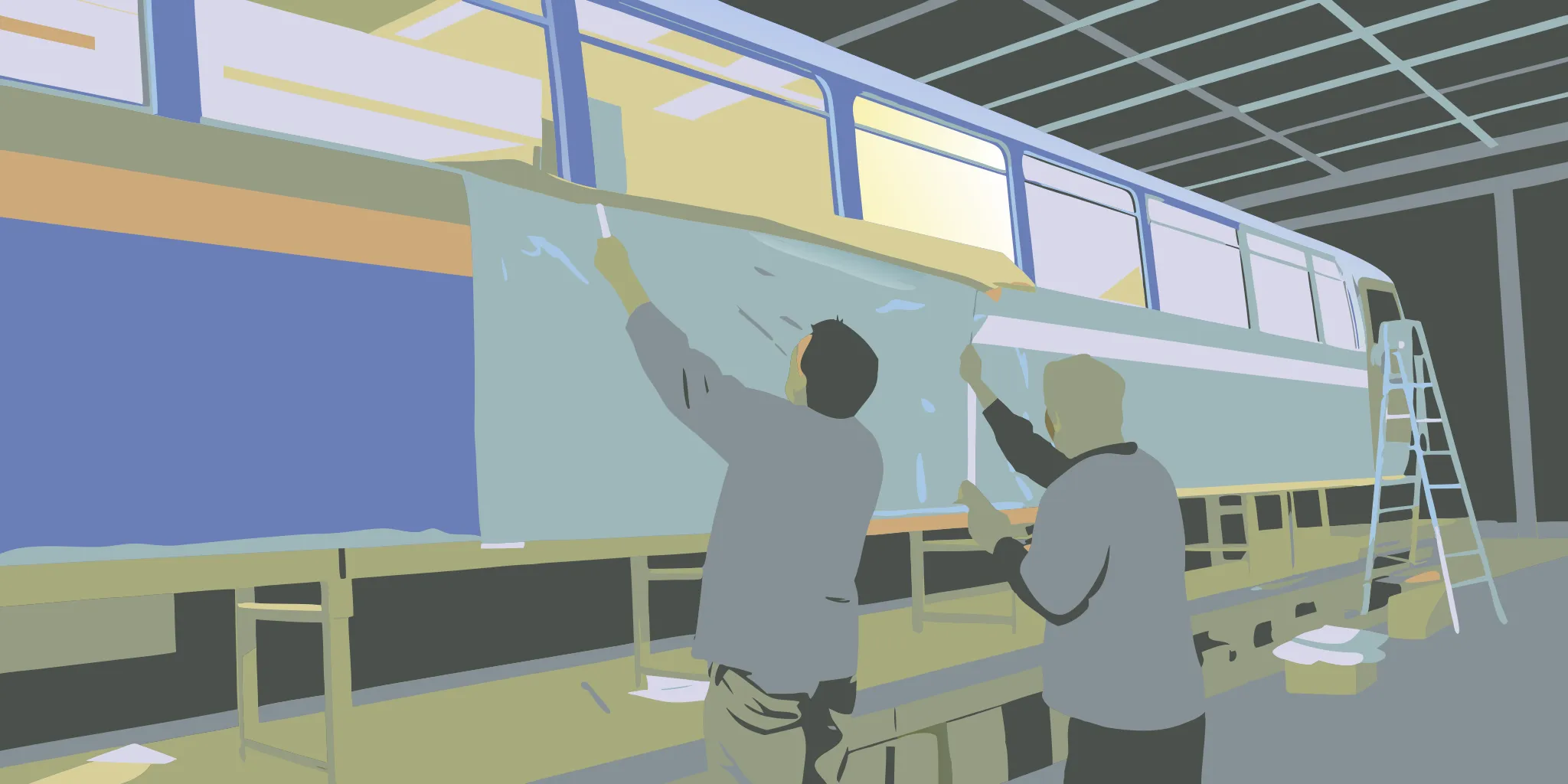
Cast adhesive vinyl is the standard for full bus wraps and partial exterior graphics. It conforms to compound curves, resists UV fading, and withstands automatic bus wash systems. Mesh vinyl is used over windows so passengers can see out while the exterior displays a full-color image. Both materials meet transit authority safety requirements for driver sight lines.
Rigid Media for Interior Car Cards
Inside buses and trains, car cards and interior signage use 18-point card stock or styrene. Card stock offers a budget-friendly option for short-run indoor campaigns. Styrene, a thin waterproof plastic, resists humidity and stays flat in frame holders, making it the preferred choice for signs near doors where rain or moisture can enter.
Corrugated Plastic for Station Signage
For light rail platforms, bus hubs, and transit centers, corrugated plastic provides a lightweight yet durable substrate that handles wind and weather. It is commonly used for wayfinding signs, schedule boards, and promotional posters at transit stops.
| Material | Best Application | Durability |
|---|---|---|
| Cast adhesive vinyl | Full bus wraps, partial exterior graphics | High; UV, water, and wash resistant |
| Mesh vinyl | Over-window graphics | High; allows visibility and airflow |
| 18-pt card stock | Indoor car cards, short-run posters | Medium; best for dry indoor use |
| Styrene | Interior transit signs near doors | High; waterproof and warp resistant |
| Corrugated plastic | Hub signage, wayfinding, station posters | High; lightweight and weather resistant |
What Design Specs Do Transit Agencies Require?
Transit authorities enforce strict design specifications to ensure public safety, brand consistency, and readability at street level. Understanding these requirements before production begins prevents costly reprints and approval delays.
Resolution and Color Standards
All design files for transit advertising graphics must meet a minimum of 300 DPI resolution at full scale. The CMYK color profile is mandatory for all commercial transit printing jobs. APM PrintWorks checks every incoming file for these specifications before releasing it to the press floor, reducing the risk of color-shifted output or pixelated images at vehicle scale.
Bleed and Safe Zone Requirements
A 0.25-inch bleed on all sides is the standard minimum for transit graphics. Critical text and logos must stay within the safe zone typically 1 to 2 inches inside the trim line to prevent cropping during vinyl cutting or installation. Vehicle-specific templates provided by APM PrintWorks account for door handles, wheel wells, panel gaps, and window frames so the final layout fits the exact vehicle model.
Visual Hierarchy for Moving Audiences
Transit graphics are viewed from moving vehicles and sidewalks, often at distances of 50 feet or more. Effective designs use a single focal point, high-contrast colors, and large type to communicate the message in two to three seconds. Empty space is as important as the content itself: cluttered layouts lose readability at speed.
Advanced Printing Technology for Transit Graphics
Digital wide-format printing is the standard production method for modern transit advertising graphics. Unlike screen printing, digital printing handles complex gradients, photographic images, and variable data without setup cost penalties, making it practical for both single-vehicle and fleet runs.
Seamless Printing Up to 150 Feet
APM PrintWorks operates presses capable of producing seamless graphics up to 150 feet in a single piece. This capability means fewer seams on long bus panels and fewer alignment points during installation. Fewer seams translate to a cleaner appearance and reduced risk of edge lifting over time. For articulated buses or light rail cars with long continuous panels. Seamless printing eliminates visible joints where moisture and debris can accumulate, extending the effective lifespan of the graphic on the vehicle.
Consistent Color Across the Fleet
Every digital press run is calibrated to ICC color profiles that match the original design file. Spectrophotometers measure color density during the run and adjust ink levels in real time. The result is a fleet where bus number one and bus number fifty display identical brand colors, even if the vehicles were printed weeks apart. This consistency is critical for transit agencies running multi-year advertising contracts where new wraps must match existing fleet graphics.
How Do Transit Authority Approvals Work?
Every transit advertising graphic must pass an agency approval process before it reaches a vehicle. Understanding this workflow helps campaign teams plan production timelines and avoid unexpected delays. The approval path differs slightly between agencies, but most follow a standard review cycle that takes one to three weeks.
The approval process typically follows four stages. First, the design content is submitted for review against the agency’s advertising policy, which may restrict certain categories of messaging. Second, the approved design is checked against vehicle-specific template dimensions to confirm correct placement. Third, a certified installer from the agency’s approved vendor list is assigned to the project. Fourth, the installation window is scheduled within the vehicle downtime limits that vary by agency but typically do not exceed 72 hours per vehicle. Installation crews must complete the wrap, perform a quality inspection, and return the vehicle to service within that window.
APM PrintWorks has worked with transit agencies for over 20 years and prepares all submissions with the documentation each authority requires. This experience helps campaigns pass review on the first submission and keeps projects moving from design to road-ready in weeks rather than months.
Ensuring Consistency Across Multi-Vehicle Campaigns
Running a multi-vehicle transit campaign requires a single production partner to maintain visual uniformity across different vehicle types and sizes. When a city bus side panel, a light rail car wrap, and interior car cards all carry the same campaign. Even minor differences in color or material finish become visible at transit centers where vehicles park side by side. A cohesive fleet appearance strengthens brand recognition across the entire metro area.
Unified Templates and Color Standards
Using a single template system across all vehicle types ensures that logos, taglines, and contact information appear in the same relative position on every unit. APM PrintWorks maintains template libraries for common transit vehicle models and custom-builds templates for new vehicle types as needed. Combined with spectrophotometer-calibrated color matching, this approach eliminates the look of a patchwork fleet.
Material Matching Across Production Runs
When a campaign launches in phases, material lots matter. Vinyl manufactured in different batches can exhibit slight color or gloss variation. APM PrintWorks sources material for the entire campaign from a single production run and stores it under climate-controlled conditions so replacement wraps printed months later match the originals.
Frequently Asked Questions
How long does it take to produce transit advertising graphics?
Most transit graphic orders are ready within five to seven business days after design approval. Full vehicle wraps may require additional time for template creation and approval coordination with the transit authority. Rush production is available for time-sensitive campaigns.
What is the typical turnaround for bus wrap installation?
Installation generally takes one to three days per vehicle, depending on the wrap coverage level and complexity. Transit agencies typically allow a maximum of 72 hours of downtime per vehicle for advertising installation. APM PrintWorks coordinates installation schedules within these windows to keep fleets operational.
Can I use transit advertising graphics on just part of my fleet?
Yes. Partial fleet campaigns are common and can be scaled to any number of vehicles. APM PrintWorks works with transit agencies to identify the best vehicle classes and routes for your target audience, then produces and installs graphics on only the selected units.
Do transit advertising graphics damage vehicle paint?
High-quality cast vinyl installed by certified professionals does not damage paint when properly removed within the campaign term. APM PrintWorks uses adhesive systems designed for clean removal, and our installation teams follow transit authority guidelines for end-of-term graphic removal and paint restoration.
What is the typical lifespan of a transit advertising graphic?
Exterior transit graphics using cast vinyl and UV-protective overlaminate typically last three to five years before showing visible wear. Interior car cards and signage last the duration of the advertising contract, usually one to three years, and can be replaced at any point during the cycle.
Ready to Launch Your Transit Advertising Campaign
Transit advertising graphics require a production partner who understands the technical specifications, material science, and compliance landscape of public transit advertising. APM PrintWorks has served the Portland metro area for over 20 years from our Beaverton production facility, providing end-to-end services from design through installation and removal. Our team has produced graphics for transit campaigns ranging from single-vehicle tests to full fleet rollouts covering dozens of buses and light rail cars.
Contact us today to request a custom quote for your next transit campaign. Our team will walk you through material options, production timelines, and the approval process for your specific transit authority. Call (503) 270-5524 or fill out our online form to get started.