
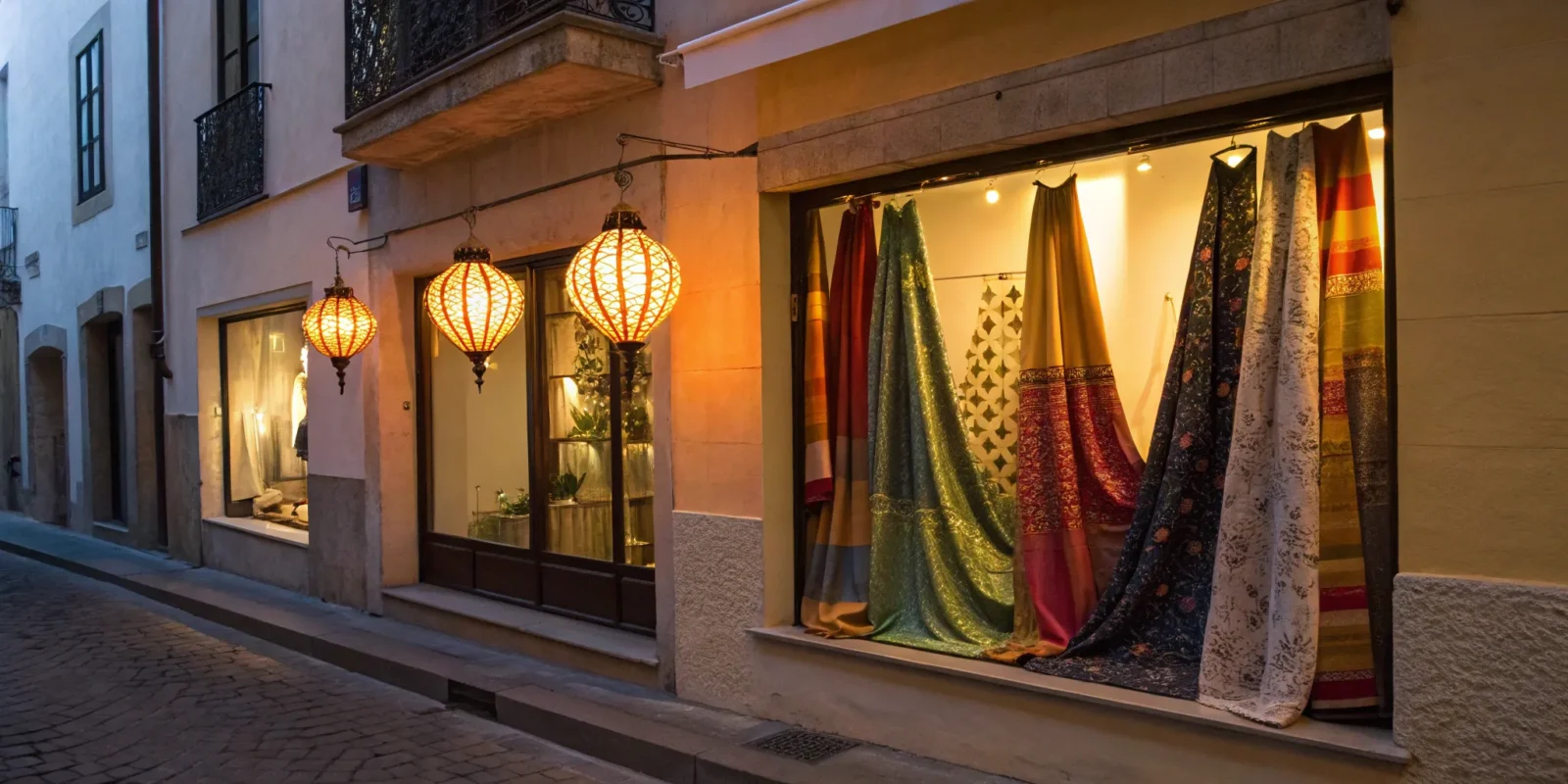
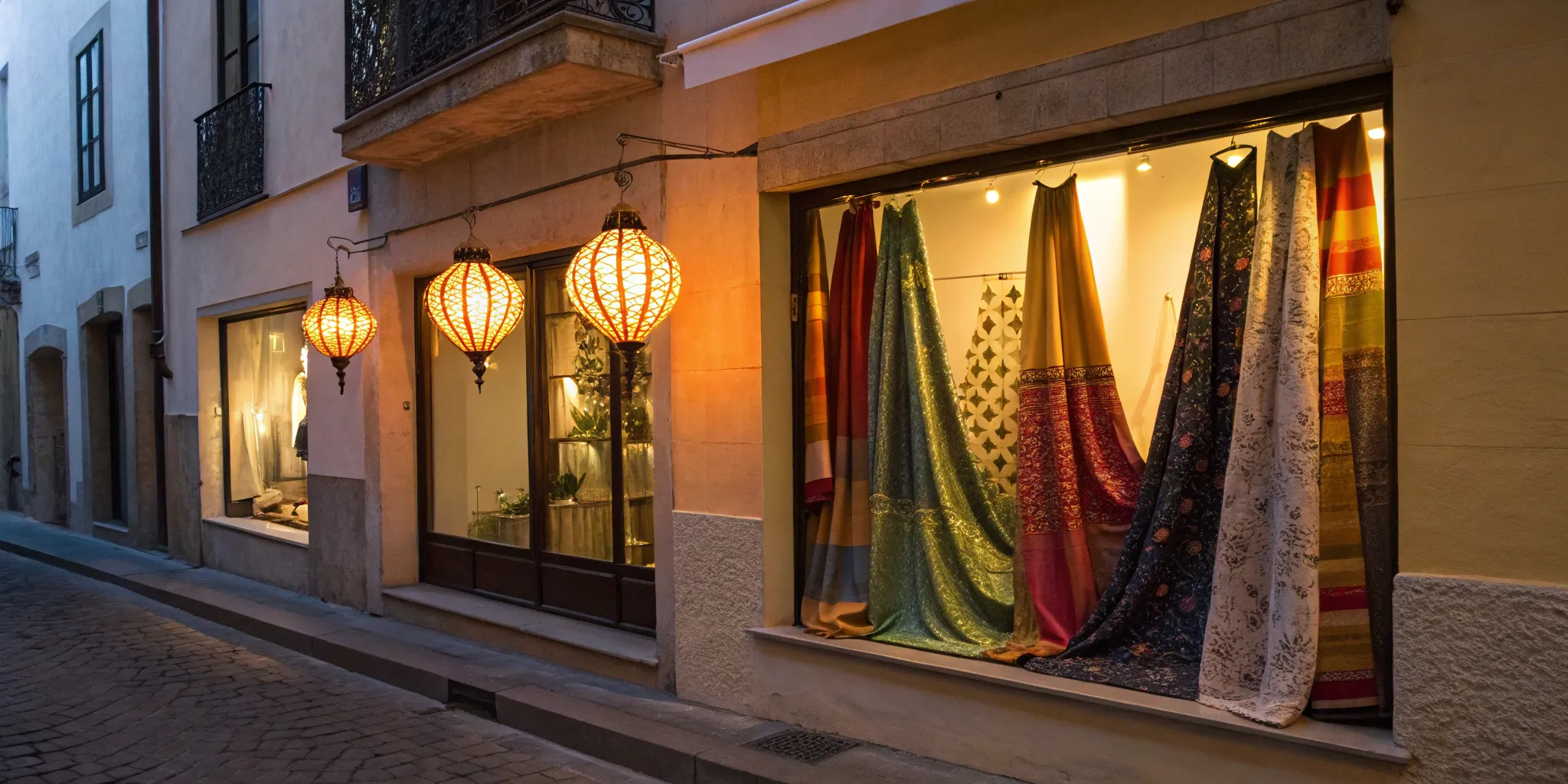
In a city as vibrant as Portland, your business needs to stand out. From the Pearl District to Hawthorne, every street is filled with unique shops competing for attention. Your window display is one of the most powerful tools you have to capture the interest of locals and tourists alike. It’s your chance to communicate your brand’s personality and create a connection with the community before anyone even steps inside. This guide is filled with window display design ideas specifically for businesses that want to make a statement, offering creative concepts that feel authentic, engaging, and perfectly suited to making a memorable impact on our city’s streets.
Key Takeaways
- Focus on a Single, Clear Story: Avoid the temptation to overcrowd your window. Instead, choose one hero product or theme and use every element—from props to your backdrop—to support that single narrative, making your display instantly understandable and memorable.
- Use Strategic Elements to Set the Scene: Color and lighting are your most powerful tools for creating a mood. Combine them with thoughtful materials and props to build a complete, immersive world that draws people in and makes your products shine, day or night.
- Keep it Fresh with a Simple Plan: A display that never changes becomes invisible. Map out a calendar for regular updates tied to seasons, sales, or local events. Even small, frequent tweaks will keep your storefront dynamic and give people a reason to look.
What Makes a Window Display Really Work?
A great window display does more than just show off your products—it tells a story and makes a powerful first impression. It’s your 24/7 salesperson, inviting people to step inside. But what separates a display that stops traffic from one that gets overlooked? It comes down to a few key design principles: a strong focal point, a balanced composition, and a clear visual path for the eye to follow. Mastering these fundamentals will help you create a window that not only looks beautiful but also drives real business results.
Establish a Clear Focal Point
Every compelling display needs a star of the show. This is your focal point—the one element that grabs attention first and anchors the entire design. It could be your newest product, a mannequin in a striking outfit, or a vibrant, large-format graphic that sets the scene. Think of it as the headline of your display. Once you’ve chosen your focal point, every other item you add should play a supporting role. The goal is to draw the eye to that main feature, creating an immediate and memorable impact that makes people want to see more.
Create Balance, Not Clutter
It’s tempting to fill your window with as many products as possible, but a cluttered display can overwhelm and confuse potential customers. Instead, focus on creating a sense of visual balance. This doesn’t mean everything has to be perfectly symmetrical; asymmetrical balance, where different-sized objects are arranged to create a feeling of equilibrium, is often more dynamic. Group smaller items together and leave some empty space—often called negative space—to let your products breathe. A clean, organized layout helps you communicate a clear message and allows your key advertising materials to truly stand out.
Guide the Eye with Visual Hierarchy
A well-designed window display gently directs a person’s gaze through the scene you’ve created. This is called visual hierarchy. Your focal point is the top of the hierarchy, the first place the eye lands. From there, you can use placement, color, and scale to create a path for the viewer to follow. Position your most important items at eye level, as this is where people naturally look first. You can also use lines, lighting, and supporting graphics to guide attention from one element to the next, ensuring your entire message is seen and understood.
How to Use Color and Lighting to Transform Your Display
Color and lighting are two of the most powerful tools you have for creating an effective window display. They aren’t just decorative afterthoughts; they are strategic elements that set the mood, direct attention, and communicate your brand’s personality before a customer even steps inside. A display with a jumbled color palette or poor lighting can look unprofessional and confusing, causing people to walk right by. But when you get them right, the effect is magnetic.
Think of your window as a stage. Color is the set design, creating the emotional backdrop for your products. Is your brand energetic and bold, or calm and sophisticated? Your color choices will tell that story instantly. Lighting is your spotlight operator, making sure the star of the show—your product—is seen in the best possible way. It adds depth, drama, and focus. Together, they create an atmosphere that can stop passersby in their tracks and make them curious about what’s inside. By mastering these two elements, you can turn a simple product arrangement into a compelling visual experience that draws people in.
Choose Color Schemes That Connect
Color is a powerful communication tool that speaks directly to our emotions. The right palette can instantly create a mood and reinforce your brand identity. Think about the feeling you want to evoke. The principles of color psychology show that bright reds and yellows create a sense of energy and urgency, perfect for a sale. Cool blues and greens can feel calming and trustworthy, while neutral tones suggest sophistication. Using a consistent color scheme helps build a cohesive look. You can use custom large format printing for backdrops and window clings to establish your palette and make your display look polished and professional from the street.
Use Lighting to Make Products Pop
Great lighting is what separates an amateur display from a professional one. Its job is to create mood, highlight products, and add a touch of drama. Instead of relying on harsh overhead lights, use multiple light sources to create dimension. Try lighting key products from the front and sides to make them look more three-dimensional and eliminate unflattering shadows. Spotlights are perfect for drawing the eye to your hero product, while softer, ambient lighting can create an inviting glow. Don’t forget that your display needs to be visible at night, so ensure it’s well-lit after dark to keep attracting attention.
Set the Mood with Strategic Color and Light
When color and lighting work together, they create a powerful atmosphere that tells a story. This combination is what makes people stop, look, and feel compelled to come inside your store. For example, you could pair warm, golden lighting with rich, autumnal colors to create a cozy and inviting fall scene. For a summer promotion, you might use bright, crisp lighting with a vibrant, high-contrast color scheme to create an energetic and exciting vibe. The goal is to create a complete sensory experience that not only showcases your products but also improves your brand’s image and helps you stand out from the competition.
Creative Themes to Inspire Your Next Display
Once you have the foundational elements of design down, you can start playing with themes. A strong theme is what ties your display together and grabs attention from across the street. It’s your chance to show off your brand’s personality and create a memorable experience before a customer even steps inside. Think of your window as a stage and your products as the stars. The right theme sets the scene and tells a compelling story that invites people to come in and learn more.
Coming up with fresh ideas can feel like a challenge, but inspiration is everywhere. You can draw from the changing seasons, create relatable lifestyle scenes, incorporate modern technology, or celebrate what makes your local community special. The key is to choose a theme that aligns with your brand and speaks directly to your ideal customer. Let’s explore a few creative concepts that can help you build a window display that not only looks great but also drives foot traffic.
Refresh Your Seasonal and Holiday Themes
Seasonal displays are a classic for a reason—they work. People love to see storefronts change with the seasons, and it gives you a built-in reason to update your look. The trick is to go beyond the obvious. Instead of just putting up a generic holiday display, think about the specific feeling you want to create. Is it a cozy autumn afternoon, a vibrant spring morning, or a festive winter evening? Use colors, textures, and props that capture that mood.
Changing your window displays often gives regular passersby something new to look at and encourages them to stop in. You don’t need a massive budget for each change. Simple updates like new window clings or a seasonal backdrop can completely transform the space. Planning a calendar of themes helps you stay ahead and ensures your storefront always feels fresh and relevant.
Tell a Story with Lifestyle Concepts
One of the most effective ways to connect with customers is to show them how your products fit into their lives. Instead of just placing items on pedestals, create a scene that tells a story. Are you selling outdoor gear? Set up a mini campsite. Do you offer home decor? Design a cozy living room corner. This approach helps people visualize themselves using your products, making them much more desirable.
A lifestyle display makes your brand more relatable and memorable. Think about a day in the life of your ideal customer and build a scene around it. Use props, furniture, and a high-quality printed backdrop to create a complete environment. This narrative approach turns passive window shoppers into engaged potential customers who feel a personal connection to your brand.
Get Interactive with Technology
Want to really stop people in their tracks? Add an interactive element to your display. Technology offers exciting ways to engage customers and merge your physical storefront with your online presence. A simple and effective tool is the QR code. You can print a QR code on a window decal that links to a special offer, a new product page, or your social media profile.
This strategy turns your window into a 24/7 marketing tool. Someone walking by after hours can scan the code to shop or learn more. You can also use digital screens to play videos or showcase a lookbook. By inviting people to interact, you create a more dynamic and modern experience that captures attention and gathers valuable customer information.
Connect with Your Local Community
Show your customers you’re proud to be part of the neighborhood by creating a display with a local theme. This is a fantastic way to build a strong community connection and show your support for the place you all call home. You could highlight a local landmark, celebrate a city-wide event like the Portland Rose Festival, or partner with a nearby charity to raise awareness for a good cause.
A community-focused display feels authentic and helps your business stand out. Use a large printed map of the neighborhood as a backdrop, or feature products from other local artisans. You can even use a QR code to link to more information about a local event or a donation page. This shows you’re more than just a store—you’re an active and invested member of the community.
Which Materials and Props Make the Biggest Impact?
The right materials and props are the secret ingredients that turn a good window display into a great one. They work together to build a world around your products, setting the mood and telling a story that passersby can’t ignore. Think of your window as a small stage—the materials are your set design, and the props are the supporting cast that helps your star product shine. It’s not about filling the space with expensive items; it’s about making thoughtful choices that add texture, depth, and personality.
From rustic wood and soft fabrics to sleek acrylics and custom graphics, your material choices define the entire feel of the display. Do you want it to feel warm and cozy or modern and edgy? The materials you choose will get you there. Props, on the other hand, add context and help shoppers visualize how your products fit into their lives. When you combine the right materials with carefully chosen props, you create a cohesive and compelling scene. This is where you can get really creative with custom advertising solutions like floor graphics or unique backdrops to complete your vision.
Add Warmth and Texture with Natural Elements
Bringing natural elements into your display is a fantastic way to create an inviting, grounded atmosphere. Materials like wood, stone, sand, and live plants add organic texture and warmth that people are naturally drawn to. Think about using reclaimed wood crates as risers for your products, arranging a few beautiful branches to add height and drama, or placing potted succulents to bring a touch of life to the scene. These elements help add depth and make the display feel more authentic and interesting, breaking up the monotony of a flat, sterile space. It’s an easy and often inexpensive way to make your window feel more relatable and welcoming.
Create Depth with Fabrics and Textiles
Fabrics are one of the most versatile tools for adding depth, color, and texture to your window display. You can completely change the mood by simply draping different textiles. A rich velvet backdrop can create a sense of luxury and sophistication, while a light, airy linen can feel fresh and casual. Try layering sheer fabrics to create a dreamy, ethereal effect or use a rough burlap to give off a rustic, earthy vibe. Textiles are also perfect for covering up risers or softening the hard edges of your display. A custom-printed fabric backdrop from our large format printing services can also serve as a stunning, high-impact centerpiece.
Catch Their Eye with Innovative Materials
Don’t be afraid to experiment with unexpected materials to make your display stand out. Sleek, modern elements like colored acrylic, polished metals, or custom vinyl decals can create a high-impact look that stops people in their tracks. You can use colorful acrylic blocks as product stands, hang metallic streamers to catch the light, or apply bold graphics directly to the glass to frame your scene. These materials are great for adding a pop of vibrant color or a touch of industrial chic. The key is to choose materials that align with your brand’s personality while creating a visual surprise that makes people want to take a closer look.
Choose Props That Support, Not Overwhelm
When it comes to props, remember that their job is to support your product, not steal the show. Every display needs a hero—that one item you want everyone to notice first. All other props should be chosen to complement that focal point and guide the viewer’s eye toward it. Instead of cluttering the space, select a few intentional items that add context or visual interest. This could be as simple as a stack of vintage books, a single piece of antique furniture, or a few geometric shapes painted in your brand’s colors. The best props support the story you’re telling without creating distraction.
How to Use Storytelling to Connect with Customers
A great window display does more than just show off your products—it tells a story. People are hardwired to respond to narratives. When you create a scene that sparks curiosity, nostalgia, or excitement, you invite passersby to pause and engage with your brand on a much deeper level. Instead of just seeing an item for sale, they see a solution to a problem, an aspiration they hold, or a fond memory reflected back at them. This strategic approach transforms your window from a simple advertisement into a memorable experience. It’s the difference between showing a coffee maker and creating a cozy morning kitchen scene, complete with a newspaper and a steaming mug, that sells the feeling of a perfect morning.
This connection is what makes your brand stick in their minds long after they’ve walked past. Storytelling gives your products context and personality, helping you build a genuine relationship with potential customers before they even step inside your store. It’s your chance to communicate your brand’s unique values and identity without saying a single word. In a crowded marketplace, a compelling story is what separates you from the competition. It shows that you understand your customers’ lives and desires, turning a simple glance from a passerby into the potential start of a loyal customer relationship. By focusing on the narrative, you’re not just decorating a window; you’re building your brand.
Build a Narrative with Visuals
Instead of just lining up products, create a display that tells a story. Think of your window as a single frame in a movie—what’s the plot? For a clothing boutique, don’t just put a dress on a mannequin. Place that mannequin on a custom-printed backdrop of a Parisian street, with a bistro table and a croissant prop nearby. Suddenly, it’s not just a dress; it’s part of a romantic getaway. This narrative approach makes people more interested and helps them imagine your products in their own lives. Using high-quality large format printing for backdrops can instantly establish the setting for your story, creating an immersive scene that captures attention from across the street.
Design for an Emotional Connection
The most effective displays tap into feelings. Think about the emotion you want to evoke. Is it the cozy comfort of a winter evening, the vibrant energy of summer, or the nostalgia of a childhood memory? Displays that connect with positive emotions can be incredibly powerful. For example, a home goods store could create a scene of a messy, joyful holiday baking session, complete with flour dustings and half-eaten cookies. This doesn’t just sell mixing bowls; it sells the feeling of family and tradition. By focusing on the emotional experience, you create a much stronger bond with your audience than a simple product feature ever could.
Use Props and Backdrops to Enhance Your Story
Props are the details that make your story believable. Use creative items that aren’t your products to help set the scene and add depth. For a bookstore, you could create a cozy reading nook with an armchair, a soft blanket, and a steaming mug. For a sporting goods store, you might use faux grass, trail markers, and a scenic mountain backdrop to tell the story of an outdoor adventure. These props provide context and make the display more dynamic. Custom Advertising & Media Solutions, like vinyl floor graphics or printed cutouts, can act as unique props that bring your narrative to life in a professional and eye-catching way.
How Often Should You Refresh Your Window Displays?
One of the most common questions I hear is, “How often should I actually change my window display?” While there isn’t a single magic number that works for every business, the goal is to strike a balance between keeping things fresh and managing your resources. A display that stays up for too long becomes part of the scenery, and people will walk right by without a second glance. On the other hand, a complete overhaul every week isn’t practical for most businesses.
The key is to think of your window as a dynamic part of your marketing. It’s your store’s first impression and a powerful tool for communication. Good displays make people stop, look, and come into your store. They also show new products, highlight sales, and help you stand out from other stores in a busy neighborhood. The right frequency depends on your foot traffic, your industry, and your promotional calendar. A good starting point for a major change is every four to six weeks, with smaller tweaks in between to keep things interesting.
Know When It’s Time for a Change
Your window display has a job to do: attract customers. If it’s no longer turning heads or reflecting what’s happening inside your store, it’s time for a refresh. A dusty, faded, or irrelevant display can give the impression that your business is just as stagnant. Think about the regulars who walk past your shop every day. You want to give them a reason to feel that something new and exciting is always happening. When your current display no longer highlights your latest products or current promotions, it’s a clear sign to start planning the next one. High-quality large format graphics can make a huge difference in capturing that initial attention.
Try Quick Updates (No Overhaul Required)
Refreshing your display doesn’t always mean starting from scratch. You can keep your window looking fresh with small, strategic updates. Simple changes like swapping out a mannequin’s outfit, adding new props, or updating the text on a window cling can have a big impact. The idea is to change your window displays often enough that regular passersby see something new and are encouraged to stop in. Consider creating a versatile base design that allows for easy swaps. For example, you could change the color of your backdrop fabric or update a small sign with a new weekly special. These quick tweaks keep your display dynamic without requiring a huge investment of time or money.
Plan Your Display Calendar for Maximum Impact
The most effective window displays are planned well in advance. Sit down with a calendar and map out your year. Pencil in major holidays, seasons, and local Portland events that are relevant to your customers. Then, layer in your own business’s key dates, like new product launches or annual sales. When you update your windows regularly, you keep people interested and show off products that fit the season or current trends. This proactive approach allows you to align your windows with your other marketing efforts and order any custom advertising solutions you might need ahead of time. A well-planned calendar turns a reactive task into a strategic part of your business growth.
Small Space, Big Impact: Ideas for Compact Windows
Working with a small window? Don’t see it as a limitation—see it as a creative challenge. A compact display forces you to be intentional with every single choice, which often results in a more focused and powerful design. Instead of filling a huge space, your goal is to create a jewel box that captures attention and draws people in for a closer look. With a few smart strategies, you can make your small window feel dynamic, spacious, and utterly captivating. The key is to use vertical space, create the illusion of depth, and play with reflections to make the most of every square inch. These techniques will help you craft a display that feels anything but small.
Maximize Your Vertical Space
When you can’t build out, build up. Drawing the eye vertically makes a small space feel taller and more grand. Think about how you can use the full height of your window. Floating shelves, hanging installations, or tall, slender props can guide a viewer’s gaze from bottom to top. Place your most important products or messages at eye level to ensure they get noticed immediately. You can also use custom large format printing to create tall, narrow banners or decals that add color and interest throughout the vertical plane. This strategy not only makes your display more dynamic but also ensures you’re using every bit of available real estate to tell your story.
Create the Illusion of Depth
A small window can feel flat, but you can create a sense of depth through clever layering. Don’t place everything right up against the glass. Instead, position items at different distances—some close, some in the middle, and some at the back. Mixing materials, shapes, and textures also adds dimension. For example, you could place a smooth, solid object in front of a textured fabric backdrop. Using high-quality printed backdrops from our advertising and media solutions can instantly create a scene that feels much larger than the window itself, transporting the viewer into the world you’ve created. This layering technique makes the display more engaging and encourages people to pause and explore it.
Use Mirrors and Reflections Strategically
Mirrors are a classic trick for making any space feel larger, and they work wonders in a window display. A well-placed mirror can double your products visually and bounce light around, making the entire setup feel brighter and more open. But you don’t have to stop at traditional mirrors. Think about using other reflective materials like polished metal, acrylic sheets, or even vinyl with a metallic finish. These elements can catch the light and the eyes of passersby in interesting ways. By strategically incorporating reflections, you can create intriguing optical illusions that add a layer of sophistication and magic to your compact display, making it feel more expansive and dynamic.
Budget-Friendly Ideas for a Professional-Looking Display
A show-stopping window display doesn’t need a Hollywood-sized budget. With a bit of creativity and resourcefulness, you can create a professional, eye-catching scene that draws customers in without draining your bank account. The most memorable displays often come from clever ideas, not just expensive props. It’s all about working smart with what you have and being strategic about where you invest.
Focus on making a strong impression that reflects your brand’s personality. A simple, well-executed concept can be far more effective than a cluttered, costly one. By thinking outside the box, you can design a display that not only looks fantastic but also drives foot traffic and gets people talking. Let’s explore a few practical ways to get a high-end look for less.
Get Creative with DIY Props and Backdrops
Your imagination is your most valuable tool for a budget-friendly display. Instead of buying expensive, pre-made props, try making your own. Think about creating oversized paper flowers, painting cardboard shapes, or hanging colorful ribbons to create a dynamic backdrop. Don’t just copy what other stores are doing; unique ideas are what grab attention, especially around holidays and seasonal events. You can also use your own products as part of the design. A custom-printed vinyl backdrop can instantly set a scene and is often more affordable than building out a physical set. It’s a simple way to add a professional touch that ties your entire window together.
Repurpose Materials You Already Own
Before you buy anything new, take a look around your store or stockroom. You probably have plenty of materials that can be given a new life in your window display. Wooden crates, old furniture, ladders, and even stacks of books can be used to add height and interest. A fresh coat of paint can completely transform an everyday object into a stylish prop. You can also be strategic by featuring your most popular products. Check your sales data to see what’s selling best and make those items the stars of your display. This approach not only saves money but also showcases products you know your customers already love.
Know Where to Spend for the Best Return
While DIY is great, some elements are worth investing in. The key is to spend your money where it will make the biggest impact. A high-quality, professionally printed sign or banner can make your entire display look more polished and can be reused for future promotions. Good displays make people stop, look, and come into your store, so a small investment in key advertising materials can yield a significant return. Another smart place to allocate funds is lighting. A few well-placed spotlights can dramatically change the mood and draw attention to your focal point, making your products pop, especially at night.
Are These Window Display Mistakes Costing You Customers?
You can have the most brilliant idea for a window display, but if it’s not executed well, it might do more harm than good. A great display invites people in, while a confusing or messy one can make them walk right on by. The good news is that the most common mistakes are easy to fix once you know what to look for. Think of your window as your store’s first impression—a handshake with every person who passes. You want it to be confident, clear, and welcoming.
Avoiding a few key pitfalls will ensure your display is working hard for your business. From cluttered layouts that overwhelm the eye to designs that don’t speak to your ideal shopper, these simple errors can get in the way of connecting with your community. Let’s walk through some of the most frequent missteps and how you can sidestep them to create a window that truly shines and brings people through your door.
Overcrowding the Space
It’s tempting to showcase everything you have to offer, but a cluttered window can overwhelm potential customers. When the eye doesn’t know where to land, it often just moves on. Instead of filling every inch, focus on creating a single, clear focal point. As the experts at Magestore advise, “Don’t try to show everything you sell. Use your window to tease customers with a few interesting items, making them want to come inside to see more.”
Think of your window as a sneak peek, not your entire stockroom. Select a few key products that tell a cohesive story. A clean, impactful backdrop or a single, well-designed sign from our large format printing services can establish a strong theme without adding clutter, allowing your chosen items to stand out.
Ignoring Your Ideal Customer
A window display that tries to appeal to everyone often ends up appealing to no one. Your display is a direct conversation with your target audience, so it needs to speak their language. A design that resonates with a 20-something artist will look very different from one that attracts a busy parent. As the team at Shopify puts it, you should “always design your display with your ideal customer in mind. Trying to appeal to everyone will make your display less effective.”
Before you start designing, take a moment to think about who you want to walk through your door. What are their interests? What style do they respond to? Tailoring your visuals and messaging to that specific person will make your display feel personal and magnetic, creating a much stronger connection.
Forgetting About Regular Maintenance
A window display isn’t a “set it and forget it” project. A dusty, faded, or out-of-season display can give the impression that your business isn’t paying attention to the details. For the regulars who walk past your shop every day, seeing the same thing for months on end makes your store part of the background. You need to keep things fresh to stay top-of-mind.
You don’t need a complete overhaul every week, but you should plan to “change your window displays often so regular passersby see something new and are encouraged to stop in.” Plan a display calendar around seasons, local events, or new product launches. Simple updates using fresh advertising solutions like new window clings or banners can make a huge difference and signal that there’s always something new to discover inside.
Related Articles
- Window Graphics | Printworks | We’ve got you covered!
- Wall Displays | Printworks | We’ve got you covered!
- Wallpaper | Printworks | We’ve got you covered!
- POP-UP DISPLAYS | Printworks | We’ve got you covered!
- How to Order | Printworks | We’ve got you covered!
Frequently Asked Questions
How do I know if my window display is actually working? The best way to gauge your display’s success is to pay attention to the people walking by. Watch from inside your store—are people slowing down or stopping to look? You can also track foot traffic before and after you install a new display to see if there’s a noticeable increase. Don’t be afraid to ask new customers what brought them in; if they mention your window, you know you’ve created something that connects.
I’m not a designer. What’s the very first step I should take? Don’t get overwhelmed by trying to do everything at once. Start by deciding on the single most important message you want to communicate. Is it a new product launch, a seasonal promotion, or a specific feeling you want to evoke? Once you have that one clear goal, every other decision—from the colors you choose to the props you use—becomes much simpler because it all serves that primary purpose.
My products aren’t very exciting to look at. How can I create a compelling display? This is where storytelling and creative visuals become your best friends. Instead of focusing on the product itself, focus on the problem it solves or the lifestyle it enables. Use large, vibrant backdrops, interesting props, and bold text to create a scene that tells that story. For example, an accounting firm could use a backdrop of a beautiful vacation spot with the tagline, “We handle the numbers so you can relax.” You’re selling the benefit, not just the item.
How do I balance telling a story with making sure my products are the main focus? Think of your story as the supporting cast and your product as the star of the show. Every element in your display—the props, the lighting, the backdrop—should work together to draw the eye toward your hero product. The story provides the context that makes your product more desirable. If a prop is so distracting that people notice it more than the item you’re selling, it’s not doing its job.
How much should I realistically budget for a window display? There’s no magic number, and you definitely don’t need a huge budget to make a big impact. The key is to be strategic. Spend the majority of your budget on high-impact, reusable items like good lighting or a professionally printed backdrop that you can use in different ways. For everything else, get resourceful by repurposing items you already own or creating your own props. A clever concept will always be more effective than an expensive but uninspired one.