
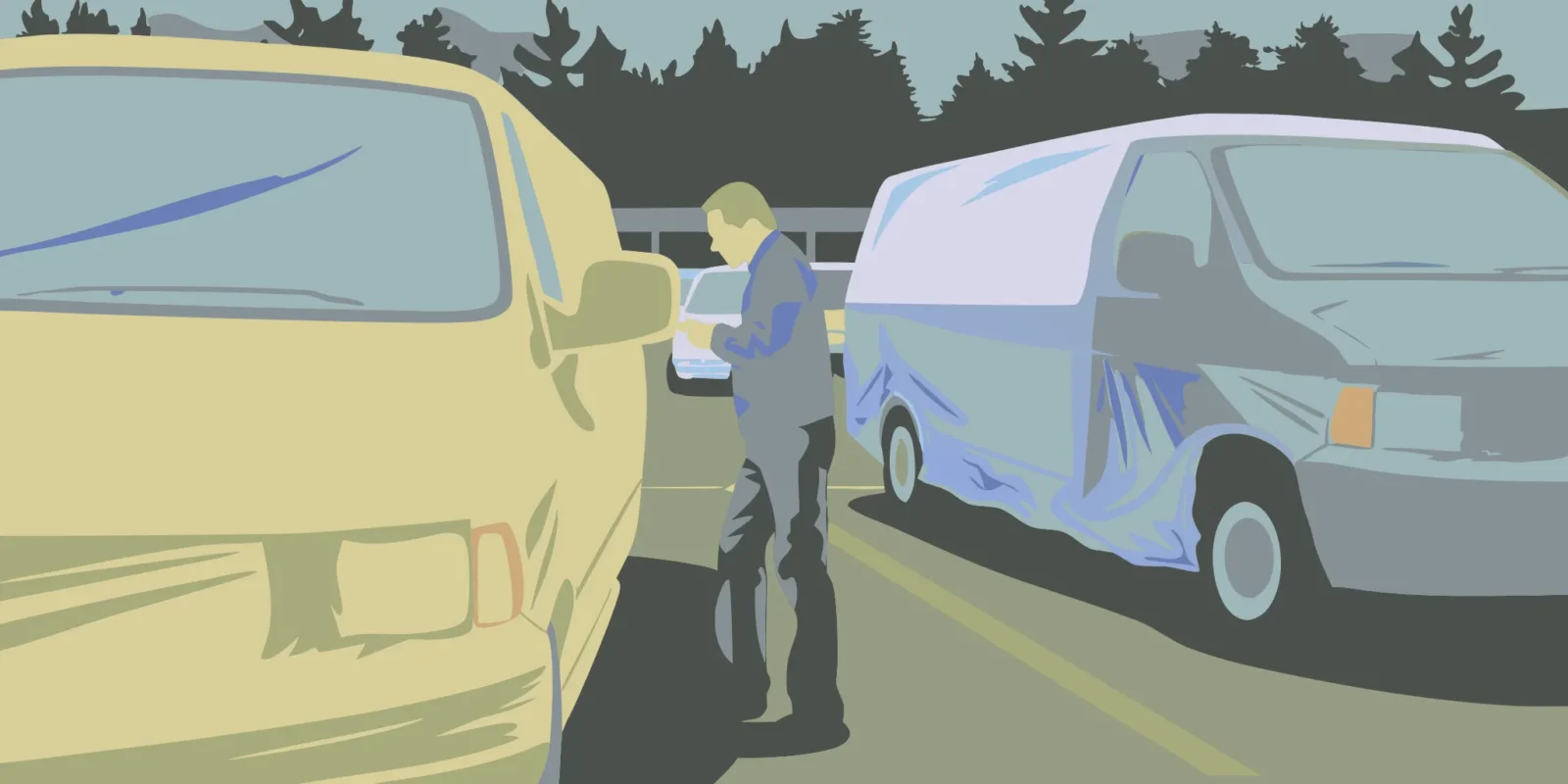
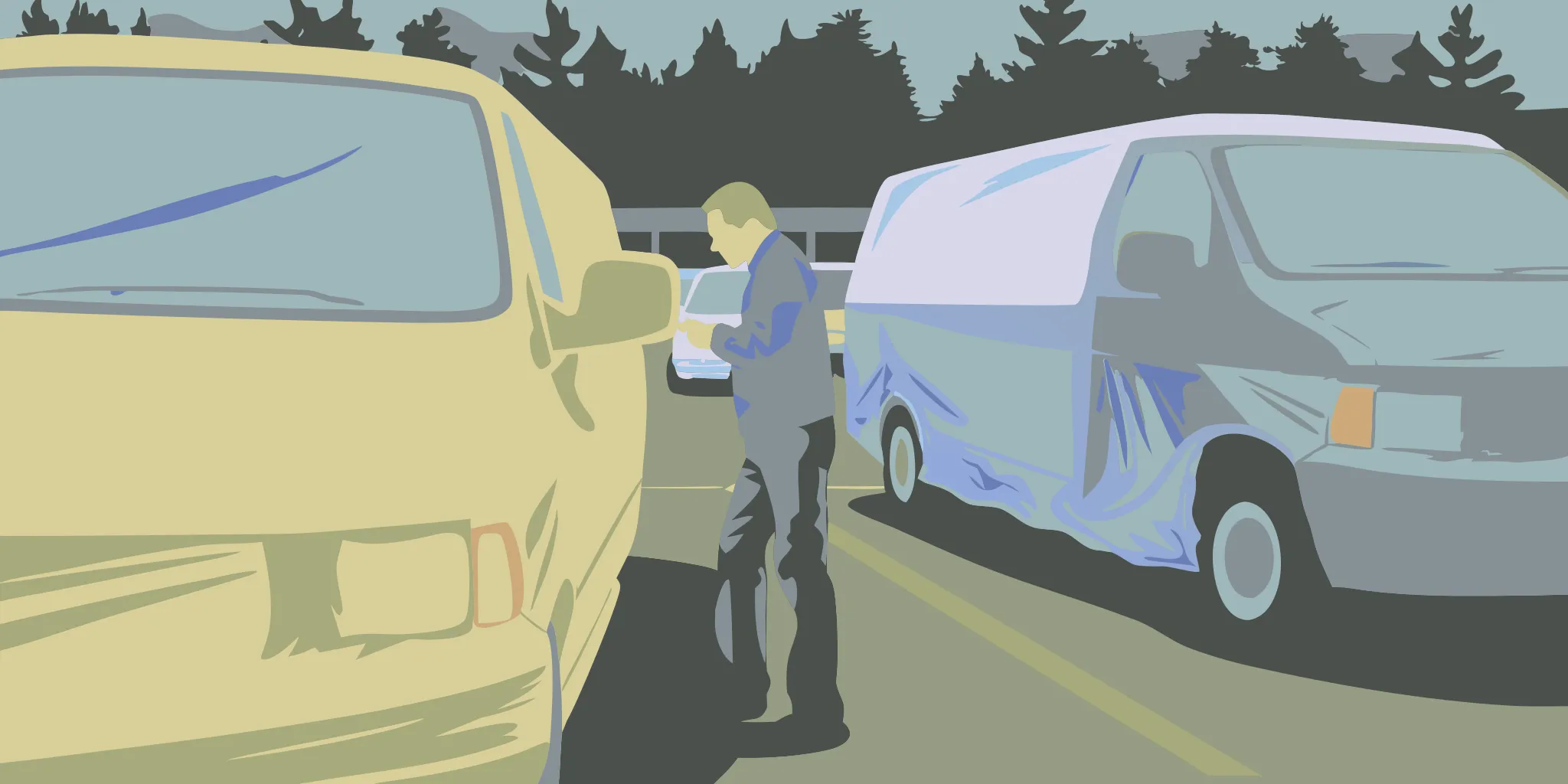
A wrapped fleet vehicle works as a mobile advertisement every day, but its value depends on more than the first impression. Portland routes expose vans and trucks to rain, road grime, temperature changes, and varying levels of sun, while frequent use can accelerate wear at edges and high-contact areas. Planning for maintenance and replacement helps fleet managers protect both the graphics and the advertising investment.
Call APM PrintWorks at (503) 924-6168 for a custom fleet wrap quote.
In practical terms, how long do vehicle wraps last depends on the vinyl finish, installation quality, cleaning routine, parking conditions, and climate. High-quality wraps can last about 5 to 7 years on average. While gloss finishes commonly last 3 to 7 years and satin or matte finishes about 3 to 5 years, according to Vinyl Ink and HEXIS.
The first planning decision is establishing a realistic service-life range for the finish and vehicle type, then matching that range to your operating schedule.
What Is the Average Lifespan of a Commercial Vehicle Wrap?
A professionally installed, high-quality commercial vehicle wrap commonly lasts about 3 to 7 years, although the finish, vinyl construction, installation, and operating conditions all influence the result. For most fleet managers, a three-to-five-year replacement window is a practical planning benchmark. A well-maintained vehicle that is protected from harsh exposure may remain presentable longer, while heavy daily use can shorten its service life.
Here is how expected lifespan generally varies by finish:
- Gloss: Gloss wraps typically last 3 to 7 years, making them a durable choice for fleet graphics and high-visibility branding.
- Satin and matte: These finishes generally last 3 to 5 years. Their appearance can change sooner if they are cleaned with unsuitable products or exposed to frequent abrasion.
- Chrome: Chrome finishes typically last about 1 to 3 years and require especially careful maintenance to preserve their reflective appearance.
- Fluorescent: Fluorescent vinyl is designed for high visual impact rather than maximum longevity and may last less than one year, particularly in strong direct sunlight.
These ranges are consistent with broader estimates that place a high-quality wrap at roughly five to seven years on average. While other professional guidance places a properly installed wrap at three to five years under optimal conditions. The difference reflects variations in materials, climate, vehicle use, and maintenance rather than a contradiction between the estimates. See the finish-specific lifespan guidance from HEXIS for additional context.
Cast vinyl versus calendared vinyl
The vinyl construction also matters. Cast vinyl is thinner and more flexible, so it can conform closely to vehicle contours and generally holds up longer when professionally installed. Calendared vinyl is thicker and often more economical, but it may be less suited to complex curves or long-term fleet use. For a commercial vehicle that serves as a mobile brand asset every day, the material choice should match the expected replacement cycle, surface complexity, and budget.
Fleet vehicles typically accumulate more road exposure, washing, loading activity, and incidental contact than personal vehicles. Selecting custom vehicle wraps for your fleet with the intended service interval in mind helps keep branding consistent and avoids replacing graphics before they have delivered their full value.
UV exposure, material quality, installation skill, and maintenance all affect how long the finish lasts. Understanding what drives these differences helps fleet managers set realistic replacement schedules and protect their investment.
How Long Do Vehicle Wraps Last? Key Factors That Affect Lifespan
A vehicle wrap does not age at one fixed rate. Sun exposure, material choice, installation quality, surface preparation, parking conditions, and climate all affect how long the finish remains attractive and securely bonded. A professionally installed wrap using quality vinyl can last about 3 to 5 years under suitable conditions. Film type, care, and direct-sun exposure also affect durability, as explained in manufacturer guidance on vinyl-wrap longevity.
Vinyl quality: cast versus calendared
The vinyl construction sets the starting point for durability. Cast film is thinner and more flexible, so it conforms more easily to compound curves, recessed areas, and body contours. Calendared film is generally thicker and more economical, making it useful for flatter surfaces and shorter-term applications. The right choice depends on the vehicle, design, expected use, and replacement schedule.
| Factor | Cast vinyl | Calendared vinyl |
|---|---|---|
| Durability | Better suited to long-term outdoor exposure and demanding fleet use. | Suitable for many shorter-term or flatter-surface applications. |
| Conformability | Thin, flexible film conforms well to curves and contours. | Thicker film has less conformability on complex shapes. |
| Cost | Typically carries a higher material cost. | Usually offers a more economical initial option. |
| Lifespan | Often selected when maximizing service life is the priority. | Often selected when a shorter replacement cycle fits the budget. |
For a targeted branding project, choosing between partial and full vehicle wraps can also affect cost, coverage, and how much material is exposed to weather.
Installation, preparation, and daily environment
Professional installation matters because trapped contamination, stretched film, uneven edges, and inadequate adhesion can create early lifting or failure. Thorough surface preparation is equally important. The vehicle should be clean, dry, and free of wax, grease, residue, and other contaminants before the vinyl is applied. A technically sound installation gives the material a better chance to perform as designed.
UV exposure gradually weakens vinyl. Direct sun can accelerate fading, surface defects, and cracking, especially across horizontal surfaces. Manufacturer guidance from HEXIS on vinyl-wrap longevity explains that film type, care, and direct-sun exposure affect durability.
Parking habits provide a practical defense. Vehicles kept in a garage or shaded area generally experience longer wrap lifespans than vehicles left outside continuously. For commercial operators, commercial fleet branding solutions should be planned around each vehicle’s route, storage conditions, and replacement timing rather than material price alone.
Essential Maintenance Practices to Extend Wrap Life
Consistent care protects the vinyl, laminate, and underlying finish from avoidable wear. Avery Dennison recommends cleaning wrapped vehicles every two weeks, and that schedule is a practical baseline for most commercial fleets. Use the following process to preserve appearance and support the longest service life possible.
- Wash the vehicle every two weeks. Hand wash the wrap with clean water, a soft sponge or microfiber cloth, and a mild soap that is safe for automotive finishes. Work from the top down, rinsing dirt away rather than rubbing abrasive particles across the film. Follow the manufacturer’s care guidance for the specific vinyl and laminate installed on your vehicles. For additional fleet-specific recommendations, review our proper maintenance and care practices.
- Choose hand washing over automatic car washes. Brushes, rotating components, and harsh detergents can lift edges, scratch the surface, or place unnecessary stress on seams. Automatic washes are especially risky when a vehicle already has a loose edge or damaged section. Hand washing gives the operator better control around door handles, wheel arches, rivets, and other vulnerable areas.
- Rinse gently and avoid high-pressure sprayers. High-pressure water can force moisture beneath an edge or weaken adhesion, particularly where the wrap has begun to lift. Use a gentle stream and keep the nozzle away from seams, corners, and exposed edges. Do not direct concentrated spray at damaged areas while waiting for a repair.
- Use isopropyl alcohol sparingly. Alcohol may help remove a stubborn spot when used according to the vinyl manufacturer’s instructions, but do not soak the surface or leave it sitting on the wrap. Avery Dennison notes that isopropyl alcohol can soften laminate if it remains on the surface. Rinse the treated area promptly, then dry it with a clean microfiber cloth.
- Dry the wrap after washing. Allowing water, soap residue, or mineral deposits to dry in place can dull the finish and make spotting more difficult. Use a soft, clean cloth and gentle overlapping strokes. Replace cloths that collect grit instead of continuing to drag debris across the film.
- Apply a compatible sealant when appropriate. A wrap-safe sealant can add a protective layer and make routine cleaning easier, but products must be compatible with the film and laminate. Confirm the product and application frequency with the installer or manufacturer before applying it across an entire fleet. Avoid waxes or coatings that are not approved for vinyl graphics.
- Park in shade or a garage whenever possible. Vehicles kept in garages or shaded areas generally have longer wrap lifespans than vehicles left outdoors constantly. For more detail, review manufacturer guidance on parking conditions. Shade reduces direct sun exposure and helps protect the film between service routes.
Inspect each vehicle during washing for lifting, cracking, fading, or changes in texture. Early attention can prevent a small edge issue from becoming a larger replacement project and helps fleet managers plan repairs without unnecessary downtime.
Pacific Northwest Climate Considerations for Fleet Wraps
Portland’s climate is generally easier on fleet wraps than a hot, high-UV desert, but it still creates specific maintenance demands. Overcast skies do not eliminate ultraviolet exposure, and UV radiation can gradually make vinyl more brittle and less resilient over time. Manufacturer guidance from HEXIS on vinyl-wrap longevity explains that film type, care, and direct-sun exposure affect durability. Rain, road grime, and debris can also collect around edges, seams, wheel wells, and other high-contact areas.
Moisture itself is not usually a reason to avoid vehicle graphics. The greater concern is allowing dirt and moisture to remain on the surface or accumulate at vulnerable edges. Regular hand washing with a wrap-safe cleaning method helps remove grit before it can abrade the laminate or work beneath an edge. It is also wise to inspect vehicles after winter driving, construction routes, and extended periods on wet or debris-covered roads.
Portland’s mild temperatures are helpful because the vinyl is less likely to experience the extreme heat that can shorten wrap life on sun-facing horizontal surfaces. However, daily exposure still matters. A vehicle that spends every workday outside may age differently from one parked under cover overnight. Garage or shaded parking can significantly extend a wrap’s useful life compared with constant outdoor exposure.
Local conditions also make professional installation especially valuable. A Portland installer understands how to prepare vehicles for wet-season work, manage contamination risks, and select materials and laminates appropriate for commercial use. APM PrintWorks serves businesses throughout the greater Portland area with custom vehicle wraps for your fleet, including guidance on care, replacement timing, and finish selection. For Portland businesses ordering related materials, APM can also coordinate flat rate shipping and provide a project plan that accounts for production and installation timing.
There is no single answer to how long do vehicle wraps last in the Pacific Northwest. Material quality, installation, parking, mileage, cleaning, and exposure all affect the result. A local assessment gives fleet managers a more useful expectation than a generic national lifespan estimate.
Warning Signs Your Fleet Vehicle Wrap Needs Replacement
A vehicle wrap can continue looking acceptable from a distance while its protective performance is already declining. Inspect fleet vehicles closely during routine cleaning, especially around edges, seams, door handles, mirrors, wheel arches, and horizontal surfaces. Early replacement is usually easier to manage than waiting until failing vinyl exposes the paint to sun, moisture, and road debris.
Cracks and a Rough, Brittle Texture
Fine lines, splits, or a rough surface indicate that the vinyl is losing flexibility. Ultraviolet radiation can contribute to brittleness and surface defects, and manufacturer guidance on vinyl-wrap longevity notes that film type, care, and direct-sun exposure affect durability. Once the material cracks, washing and normal road vibration can make the damage spread quickly.
Run a clean hand lightly over the wrap rather than relying only on its appearance. A texture that feels unusually dry, rough, stiff, or brittle deserves a professional assessment. Do not try to disguise advanced deterioration with aggressive polishing or solvent use.
Peeling Edges and Loss of Adhesion
Peeling at an edge, seam, panel break, or recessed area is a warning that the adhesive bond is failing. Lifting vinyl can collect water and grit beneath the wrap, allowing the affected area to expand as the vehicle moves or is washed. Bubbling, curling corners, open seams, and sections that shift when gently touched are all reasons to stop treating the wrap as serviceable.
Document the location and size of each lifted area, then have a qualified installer determine whether a localized repair is practical or whether the panel should be replaced. Repeated edge failure across several vehicles may point to age, surface-preparation problems, or environmental exposure rather than a single isolated defect.
Significant Fading or Loss of Gloss
Color change is more than a cosmetic concern for a branded fleet. Uneven fading can make vehicles look inconsistent and reduce the legibility of important graphics. Constant direct sunlight can cause vibrant wrap colors to fade in approximately three months, according to HEXIS (HEXIS guidance on vinyl-wrap longevity). Fluorescent colors require particularly careful expectations in high-exposure applications.
Compare a vehicle with an approved color reference, a recently wrapped unit, or a protected section that has seen less sunlight. A dull, chalky finish, pronounced color mismatch, or gloss loss across the vehicle should prompt an evaluation, especially when it appears alongside cracking or adhesion problems.
When to Schedule an Assessment
Arrange a professional inspection when two or more warning signs appear, when damage is spreading, or when the wrap no longer provides a uniform barrier over the paint. An installer can assess the vinyl, adhesive, seams, and underlying finish, then recommend a repair, panel replacement, or complete rewrap. Catching deterioration early helps protect the vehicle beneath the graphics and gives fleet managers more control over replacement timing, vehicle downtime, and budget.
Fleet Lifecycle Planning: When and How to Replace Wraps
Fleet wraps should be managed as part of a vehicle replacement and maintenance plan, not treated as a one-time installation. Commercial fleets typically need wrap replacement every 3 to 5 years because vehicles face consistent road use, weather exposure, washing, and loading activity. Planning ahead helps you protect brand consistency while avoiding rushed decisions when a wrap fails unexpectedly.
Budget for planned replacement
A planned replacement cycle gives fleet managers time to forecast costs, approve artwork updates, and schedule several vehicles together. Review each vehicle’s wrap condition at least annually, then build replacement allowances into the fleet budget before visible failure becomes urgent. For a closer look at the variables that affect pricing, review our guide to fleet vehicle wrap budgets.
Planned work is generally more cost-effective than emergency replacement. A wrap that is already cracking, peeling, or losing adhesion may require additional preparation before a new installation. Waiting can also force a vehicle out of service at an inconvenient time. Create inconsistent branding across the fleet, and leave a high-visibility unit operating without the intended message.
Coordinate vehicles to reduce downtime
Instead of replacing wraps one vehicle at a time without a schedule, group vehicles by route, age, wrap condition, or operating department. A coordinated plan allows your installer to prepare artwork and materials in advance and gives dispatch a predictable sequence for taking vehicles offline. Schedule installations during planned maintenance, seasonal slow periods, overnight windows, or other downtime already built into the operating calendar.
Keep a simple record for each vehicle that includes the installation date, vinyl type, maintenance history, and next review date. This makes it easier to identify units approaching the 3-to-5-year planning window and prioritize those showing early deterioration. A professional partner can also align replacement work with broader commercial fleet branding solutions when logos, messaging, or vehicle assignments change.
Choose timing based on condition and operations
The calendar provides a useful baseline, but condition should determine the final decision. A well-maintained wrap may remain presentable toward the end of its expected cycle, while heavy-use vehicles may need attention sooner. Compare appearance, adhesion, and the operational cost of taking each vehicle offline. With that information, you can replace wraps before failure creates a disruption and move smoothly into the next stage of your fleet branding plan.
Vehicle Wrap Pricing and Turnaround Planning
The starting point for a fleet vehicle wrap budget is a custom quote. Vehicle size, coverage, film and laminate, artwork, vehicle condition, removal, and installation all affect the final estimate. APM PrintWorks can prepare a written estimate for Portland-area fleets instead of applying a one-size-fits-all price. Review our commercial vehicle wrap cost guide for additional planning factors.
APM PrintWorks confirms the production and installation timeline after artwork, vehicle count, and scope are approved. Turnaround depends on material selection, vehicle preparation, fleet size, and installation scheduling, so the final schedule should be agreed before production begins. APM PrintWorks can coordinate installation waves to limit downtime for Portland-area fleets.
Talk with APM PrintWorks about a fleet wrap plan built for Portland conditions.
Frequently Asked Questions
How long does a professional vehicle wrap typically last?
A high-quality, professionally installed wrap commonly lasts about 3 to 5 years on a working fleet vehicle. With premium materials, consistent care, and favorable storage, some wraps can last 5 to 7 years, consistent with Vinyl Ink’s vehicle-wrap lifespan guidance.
What factors affect the lifespan of a vehicle wrap?
Material quality, vinyl finish, installation, surface preparation, UV exposure, climate, road use, and maintenance all matter. Professional installation and premium vinyl can support a 3- to 5-year service life, while poor preparation or installation can shorten it substantially. See HEXIS guidance on film type and durability for finish-specific ranges.
Does indoor or shaded storage help a wrap last longer?
Yes. Parking a wrapped vehicle in a garage or shaded area limits direct sunlight and weather exposure, which can extend its useful life compared with leaving it outdoors continuously. For fleets, even partial access to covered parking can help protect high-visibility graphics.
How does climate affect vehicle wrap durability?
Heat and intense UV radiation accelerate fading and material degradation. Manufacturer guidance from HEXIS on vinyl-wrap longevity explains that film type, care, and direct-sun exposure affect durability. Regular cleaning and covered parking help reduce environmental stress.
What are the signs that a vehicle wrap needs replacement?
Look for cracking, peeling edges, pronounced fading, loss of gloss, bubbling, or a brittle texture. When these problems appear across a door, hood, roof, or other prominent panel, schedule a professional assessment before the wrap becomes harder to remove or stops protecting the underlying paint.
Ready to Plan Your Fleet Wrap Replacement?
A custom quote can help you compare your fleet’s current condition, vehicle count, and replacement needs before scheduling the next phase. APM PrintWorks serves Portland-area businesses with coordinated vehicle wrap and graphics support for commercial fleets.
Call APM PrintWorks at (503) 924-6168 for a custom fleet wrap quote.