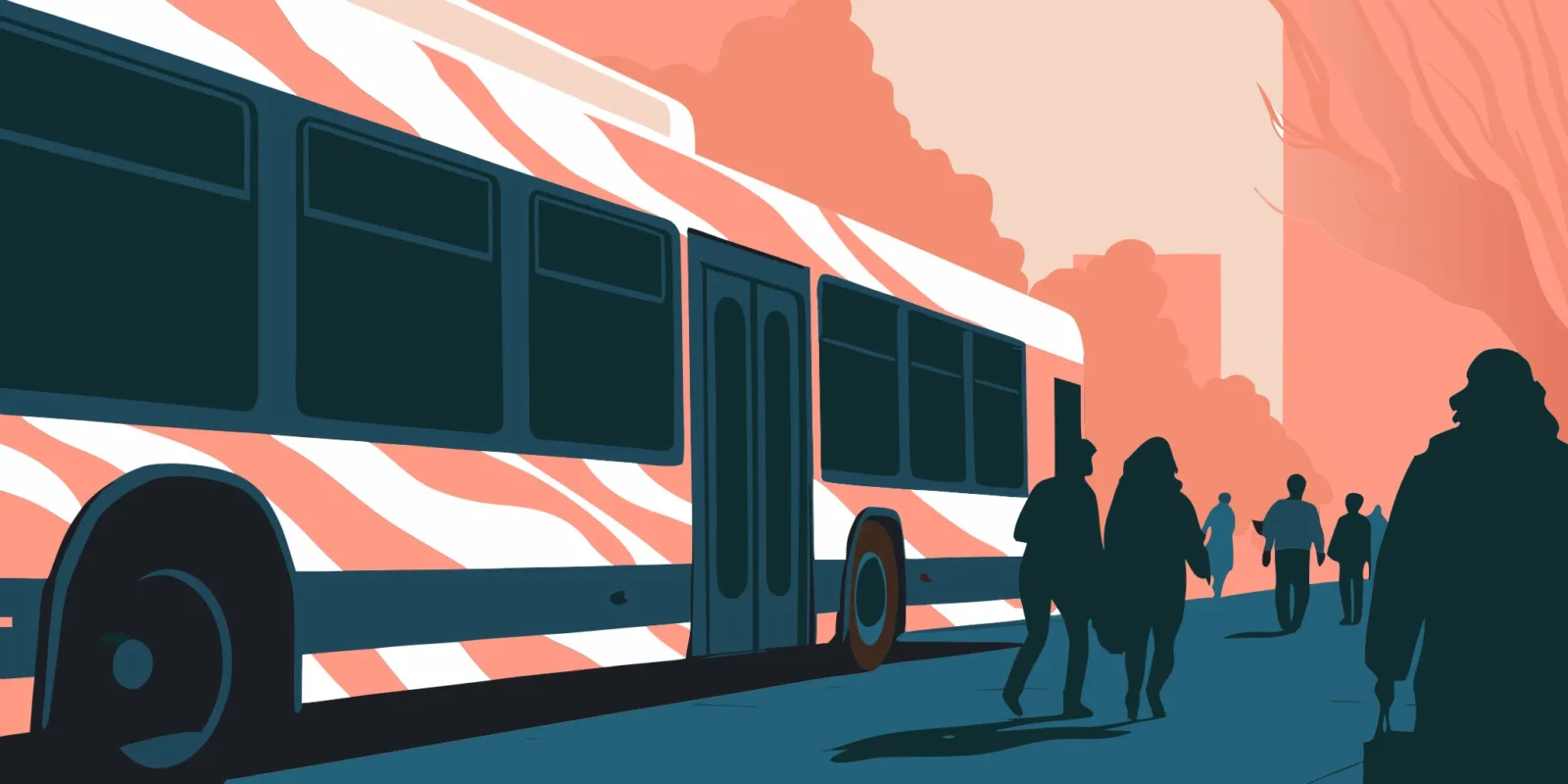
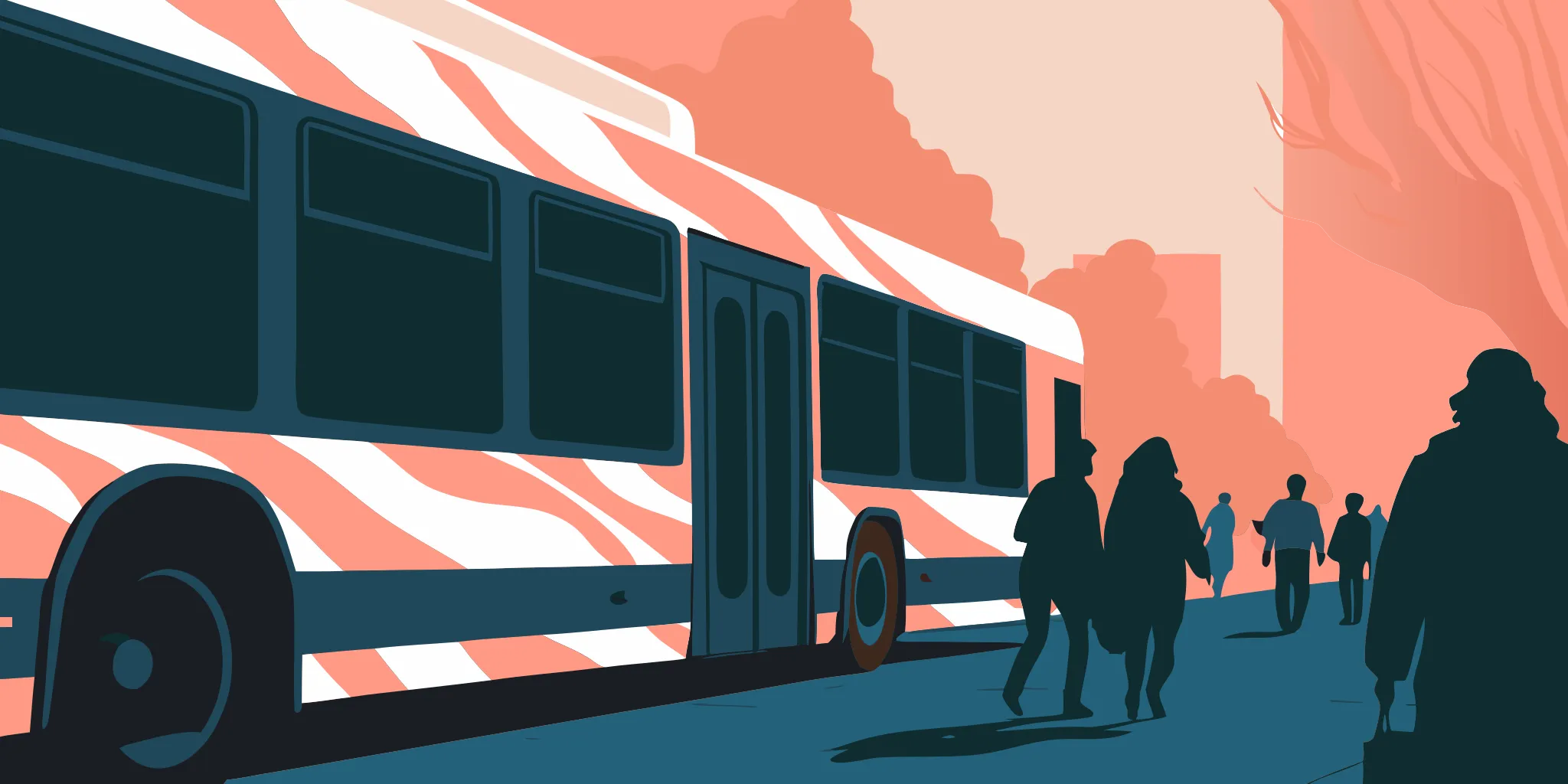
A bus graphic has only seconds to make a first impression, but a well-planned campaign can keep working across an entire route, neighborhood, and commute. The strongest results begin before artwork is opened: define the audience, choose placements that fit the message, and coordinate creative production with the transit operator’s requirements.
Schedule a free transit advertising consultation for production and installation.
A successful transit advertising campaign connects a clear objective with the right routes, formats, and readable creative. Plan the message and production details together so every bus, shelter, or station placement presents a consistent brand experience and remains effective throughout the campaign.
For Portland-area organizations, that process also means accounting for local movement patterns and the practical demands of large-format outdoor graphics. APM PrintWorks brings more than 20 years of transit advertising experience and can guide projects from concept through deployment, beginning with why the medium deserves a deliberate plan.
What Is a Transit Advertising Campaign and Why Plan One?
A transit advertising campaign is a coordinated program that places a consistent brand message across public transportation environments. Depending on the market and audience, placements may include bus exteriors, bus wraps, transit shelters, station displays, and other locations where riders, pedestrians, and motorists encounter the message. The campaign is planned as a connected media system rather than as a series of unrelated ad purchases.
In practical terms, a transit advertising campaign aligns the audience, routes, formats, creative, schedule, and production requirements before anything is deployed. Planning gives each placement a defined role and helps the campaign build recognition through repeated exposure. It also makes it easier to adapt one central idea to different viewing distances, dwell times, and transit environments.
Transit ads beat billboards on dwell time, because riders may stay with a message throughout part of a trip. Bus advertising can also capture attention when commuters are standing still, rather than passing a message at driving speed. That environment supports clear storytelling, provided the creative remains easy to understand and visually disciplined. Research on transit advertising dwell time supports this distinction.
A planned approach also accounts for the public role of transit. The Centers for Disease Control and Prevention notes that public transportation can expand access to jobs and healthcare while reducing motor vehicle traffic and congestion. Advertising in that environment can therefore connect a brand with the daily movement of a broad, community-based audience, not just with isolated vehicle impressions. The CDC’s public transportation overview provides that broader context.
Reach and frequency matter because repeated exposure among regular commuters can build brand recognition and affinity over time. A bus route may introduce a message to one neighborhood, while shelter or station placements reinforce it elsewhere. Without a plan, those opportunities can produce inconsistent visuals, uneven coverage, or messages that compete instead of reinforce one another.
APM PrintWorks brings more than 20 years of transit advertising experience to this planning process. As Portland’s local, consultative large-format partner, APM can help coordinate the path from campaign concept through production and deployment, rather than treating each graphic as a separate transaction. The next step is defining what the campaign must accomplish and how success will be measured.
Set Campaign Goals That Match Your Transit Audience
A transit audience is not one uniform group. Riders, pedestrians, drivers, employees, and visitors encounter a campaign in different places and at different moments, so the objective should determine the routes, placements, message, and measurement plan. Start by deciding what the campaign must accomplish, then select the transit environments most likely to reach that audience.
Answer capsule: A strong transit advertising campaign connects a specific audience to a measurable action. Use bus routes for neighborhood reach, station media for hub-level targeting, and trackable calls to action when engagement matters as much as visibility.
- Build brand awareness. Use consistent creative across routes or placements when the priority is recognition and recall. Repeated exposure can build brand recognition and affinity among regular commuters over time, according to transit media research.
- Reach a defined geographic area. Bus routes can extend a campaign’s reach at the neighborhood level, while digital transit signage can target audiences at specific stations and hubs. This approach is useful when a business serves selected communities, locations, or corridors.
- Drive foot traffic. Align the campaign with a nearby store, service area, event, or destination. Six in ten urban jobs sit within a half-mile of a transit stop, so transit environments connect advertising with workplaces and daily routines. Treat this figure as context for planning, not as a guarantee of visits.
- Generate measurable engagement. Give viewers a clear next step, such as searching for the brand, visiting a website, calling, or engaging through social media. One industry source reports that more than two-thirds of viewers take an action after seeing digital transit station advertising, including searches, website visits, and social activity.
Set a baseline before launch so the results have meaning. For awareness, compare branded search volume or direct traffic across the campaign period. For local response, use a dedicated landing page, campaign-specific offer, or location-level inquiry tracking. For a public information or issue campaign, measure both reach and response. An NSF-supported study found that careful transit creative changed beliefs, raised optimism about mitigation, and directed commuters to a website for more information.
These goals can overlap, but one should lead. A clear priority keeps the message focused and makes it easier to judge whether route selection, creative, and placement delivered the intended result.
Which Transit Advertising Formats Fit Your Campaign?
Format selection should follow the audience you need to reach, where that audience travels, and how long it can engage with the message. A route-based campaign may need a different mix than a launch designed for broad visibility across a metro area.
Answer capsule: The strongest transit advertising campaign matches each placement to a specific job: exterior media builds broad awareness. Shelters and stations support location-based visibility, and interior, digital, or rideshare formats create more focused engagement. Combining formats can extend reach while keeping the message consistent.
Bus Exterior and Full-Wrap Media
Bus exteriors and full wraps make a brand visible across multiple neighborhoods as vehicles follow established routes. This format is useful for awareness, geographic coverage, and campaigns that depend on repeated exposure. Route selection can also support neighborhood-level targeting, allowing the creative to appear where a particular customer segment lives, works, or spends time. Large-scale imagery is especially effective because it can attract pedestrian and vehicle traffic beyond the riders themselves, as documented by transit advertising media guidance.
Transit Shelter and Station Placements
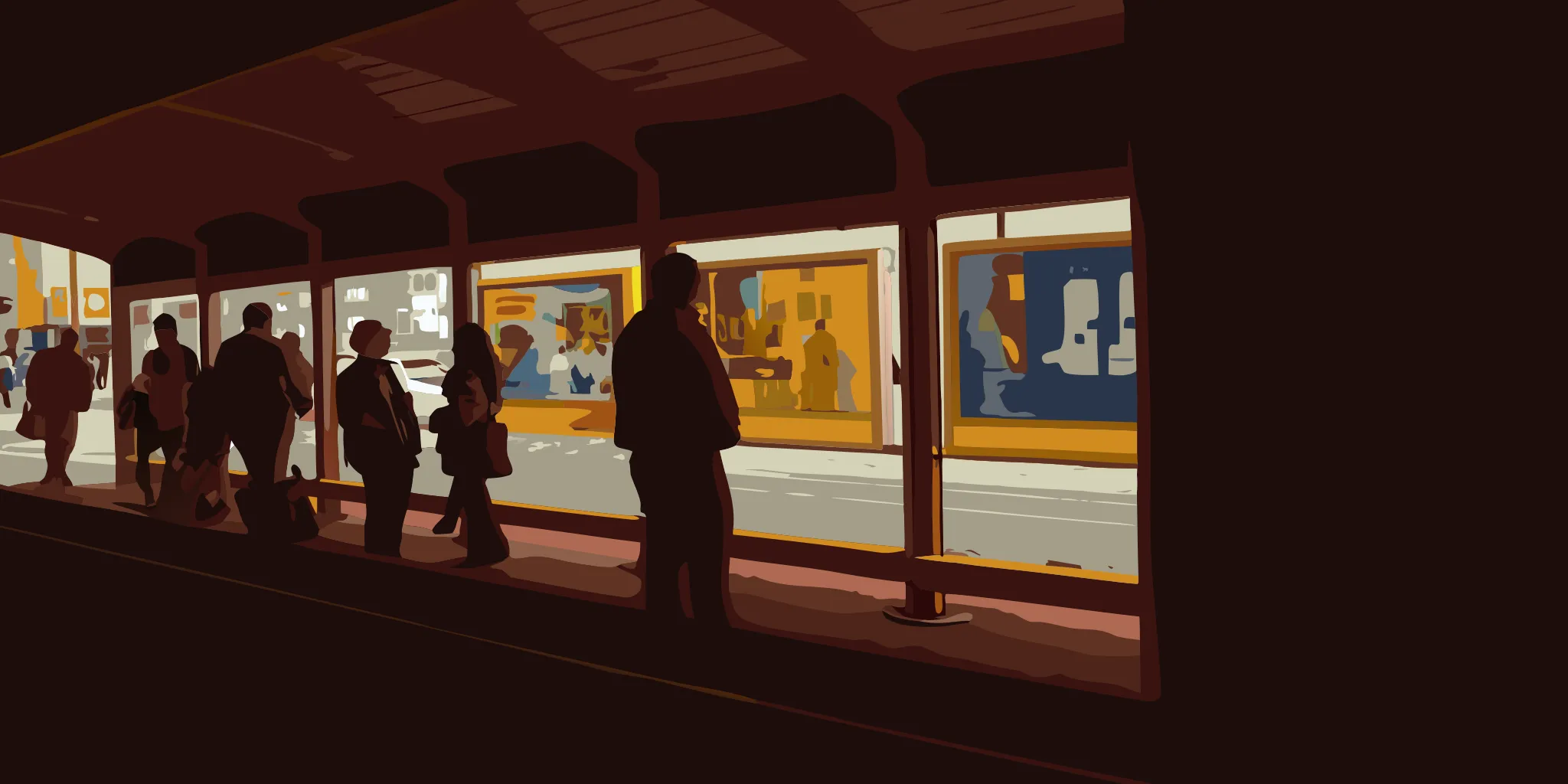
Shelters and stations place creative where people wait, transfer, and make decisions about their next destination. These environments can support a clear offer or a local service message, and they offer room for a sequential story when viewers have time to look. Station placements can also concentrate impressions around a defined hub or corridor. Choose locations based on audience fit and dwell time, not simply the number of available faces.
Interior, Digital, and Rideshare Media
Interior cards and panels reach riders during the trip, when a captive audience may have time for more detailed storytelling. Digital out-of-home placements can add data-driven creative, interactive content, or augmented reality when those features serve a measurable campaign objective, rather than distracting from the core message. Taxi and rideshare wraps provide another mobile exterior option, particularly when the campaign needs flexible coverage across active commercial areas. The table below provides a practical starting point.
| Format | Best use | Audience | Production consideration |
|---|---|---|---|
| Bus exterior or full wrap | Broad awareness and route-based reach | Riders, pedestrians, and passing motorists | Durable large-format graphics and careful vehicle templates |
| Shelter or station | Local offers and location-specific visibility | Waiting passengers and nearby foot traffic | Confirm panel dimensions, illumination, and installation rules |
| Interior placement | Detailed messages and sequential storytelling | Passengers during their trip | Design for close viewing and approved interior specifications |
| Digital or rideshare | Dynamic engagement or flexible mobile coverage | Hub audiences, riders, and neighborhood traffic | Plan screen durations, triggers, or wrap requirements in advance |
Design Readable Creative That Works at Traffic Speed
Transit creative must communicate before a bus moves out of view, yet it should remain engaging when riders or pedestrians have more time to look. A strong transit advertising campaign balances immediate recognition with enough visual depth to reward a longer glance.
Answer capsule: Use bold type, high contrast, one clear message, and large imagery so people can understand the ad quickly. Transit riders may have longer dwell times than billboard audiences. But passing motorists can see exterior placements for more than 12 hours a day, so readability must work at both speeds.
Start by identifying the single action or idea the placement needs to convey. A short headline, a recognizable brand element, and one supporting detail usually create a stronger impression than a crowded layout. If the message requires explanation, use the captive audience inside a vehicle or at a station for modestly longer storytelling, while keeping the first visual cue instantly clear.
- Use large, bold typography. Select a typeface with open letterforms and size it for the viewing distance, not the designer’s monitor.
- Keep the message short. Lead with one memorable point, then remove words that do not help the audience understand or act.
- Build strong contrast. Separate text from the background with deliberate color, spacing, and value contrast so the message remains legible in changing light.
- Limit competing elements. A focused logo, headline, image, and call to action are easier to process than a collection of small details.
- Choose larger-than-life imagery. An oversized, simple subject can catch pedestrian attention and remain recognizable from a moving vehicle.
- Design for the whole route. Check the layout against likely sightlines, shadows, vehicle movement, and the distance from adjacent traffic.
Bus advertising can capture attention when commuters stand still with few competing visual distractions, giving creative room for a little more narrative than a roadside billboard. That flexibility does not excuse clutter. Creative should remain simple and engaging first, with secondary information reserved for viewers who have time to continue looking.
APM PrintWorks can translate approved creative into durable, high-impact assets, including large-format banner printing for supporting campaign placements. Portland-area organizations benefit from a local production partner that can review the design at full scale before the campaign moves into fabrication and deployment.
Production Specs and Rollout That Keep Your Transit Campaign on Schedule
Once objectives and audiences are defined, production planning turns a strong concept into a reliable deployment. A transit advertising campaign stays on schedule when artwork, materials, approvals, and installation windows are coordinated before files enter production.
Answer capsule: Confirm the placement specifications first, select materials that can withstand outdoor exposure, and build approval and installation time into the schedule. APM PrintWorks combines seamless large-format capability, consultative planning, and fast turnaround for Portland metro campaigns.
File and Artwork Specifications
Begin with the transit authority’s current templates and requirements for dimensions, safe areas, bleeds, color, resolution, and file formats. These details vary by placement, so artwork should be built for the approved vehicle or shelter rather than adapted at the last minute. Define the campaign objective and audience early, then make sure every panel supports the same message, hierarchy, and call to action.
APM can print seamless graphics up to 150 feet, which helps large installations maintain a continuous visual system without awkward breaks. Before production, review scaled proofs for logo placement, contrast, image quality, and legibility from the intended viewing distance. The transit advertising graphics production guide provides a useful technical reference for preparing files and reducing avoidable revisions.
Material and Finish Choices
Material selection should reflect the placement, exposure, surface, cleaning requirements, and expected campaign duration. Outdoor transit graphics need professional production that can withstand changing weather while preserving color and brand consistency throughout the run. Discuss substrates, laminates, protective finishes, and removal requirements before approving the final specification.
These choices also affect installation handling and the appearance of the finished campaign. A durable, appropriate finish can help the graphics remain presentable across repeated exposure to sun, moisture, road debris, and routine vehicle cleaning.
Installation Windows and Rollout
Coordinate production completion with the transit authority, fleet or facility managers, and installation crew. Reserve an approval window for proofs, allow time for material checks and corrections, and confirm whether vehicles or sites will be available in waves. A phased rollout can keep the campaign moving when placements have different schedules.
As a transit advertising production partner, APM PrintWorks can guide projects from creative preparation through deployment. The Portland local printer brings more than 20 years of transit experience, quotes graphics from a project-specific starting rate, and delivers fast turnaround for coordinated campaigns.
Keep Creative Consistent Across Every Transit Placement
Transit campaigns become easier to recognize when each placement feels like part of the same brand experience. A bus wrap, shelter panel, and digital screen can use different dimensions and viewing conditions while still sharing a clear visual and verbal identity.
A successful transit advertising campaign keeps the brand lockup, color system, voice, and central message consistent across formats, then adapts the layout to each placement. That consistency helps repeated reach and frequency accumulate recognition and affinity instead of producing disconnected impressions.
Start with a single campaign framework before creating individual files. Define the approved logo treatment, color values, typography, imagery style, tone, and one primary message. Route-level targeting can then change the supporting message or callout for a neighborhood without changing the campaign’s core identity. Transit advertising can reach specific communities through bus routes and transit hubs, making this balance between local relevance and brand discipline especially important. Route-based targeting can extend a campaign’s reach at the neighborhood level.
- Central asset library: Store approved logos, color references, fonts, photography, copy, production files, and placement templates in one controlled location.
- Version control: Name files consistently and record which message, route, format, and revision each file represents.
- Sign-off process: Assign one accountable reviewer to approve the master creative and all meaningful adaptations before release.
- Placement QA: Check every bus wrap, shelter panel, and digital execution for color, logo position, copy accuracy, contrast, and safe-area compliance.
Consistency also depends on production quality. Colors, imagery, and finishes should remain dependable from the first installation through the end of the campaign, including when assets are adapted for outdoor environments. A consultative, one-stop partner can coordinate creative preparation, large-format production, and deployment so the brand does not drift between vendors or handoffs. APM PrintWorks brings more than 20 years of transit advertising experience to that process.
APM’s Dream, Plan, Create philosophy keeps strategy and execution connected. As Portland’s local large-format printing partner, APM PrintWorks can help your team build a consistent campaign system and carry it across every transit placement.
Frequently Asked Questions
How much does it cost to put your ad on a bus?
Bus advertising costs vary by vehicle format, route coverage, market, campaign duration, artwork requirements, and installation needs. A single exterior placement has a different budget than a broader fleet rollout. Request a project-specific estimate after the media plan and creative scope are defined so production and deployment costs are accounted for together.
What is transit advertising?
Transit advertising places brand messages on or around public transportation, including bus exteriors, interiors, shelters, stations, and related transit environments. Campaigns can combine moving vehicles with stationary placements to reach riders, pedestrians, and passing motorists across selected neighborhoods.
How effective is transit advertising?
Effectiveness depends on audience fit, route selection, frequency, creative clarity, and a measurable call to action. Transit placements can build recognition through repeated commuter exposure, while carefully designed campaigns can also influence beliefs and drive people to seek more information. A National Science Foundation-supported study found that a transit campaign changed climate beliefs and increased visits to a related website: study findings.
How long should a transit advertising campaign run?
The right duration depends on the campaign objective, route availability, budget, and how quickly the audience needs to act. Sustained campaigns are useful for building reach, frequency, recognition, and brand affinity among regular commuters. Plan the end date alongside creative refreshes, seasonal changes, and installation windows rather than treating the media schedule as a separate production decision.
Ready to Plan Your Transit Advertising Campaign?
A focused production consultation can help align your creative, materials, and installation plan before your campaign moves into transit placements. APM PrintWorks can support the process with Portland-based guidance and large-format production expertise. Schedule a consultation for transit advertising production and installation with the team to discuss your campaign goals, placement needs, and next steps.