
Picking the wrong construction sign material can leave a Portland job site with warped boards, unreadable safety messages, and avoidable replacement costs. The right substrate should match the sign’s expected lifespan, mounting method, viewing distance, and exposure to rain and wind.
Request a construction sign quote from APM PrintWorks to match the substrate, finish, and mounting plan to your project.
Construction sign materials fall into three practical groups: corrugated plastic for temporary and frequently moved notices, aluminum or aluminum composite material for demanding long-term outdoor use, and rigid PVC for smooth, professional displays in indoor or sheltered locations. Portland project teams should select by service life, weather exposure, mounting method, and required finish.
This guide compares those materials for construction and operations teams that need dependable large-format signs, not a generic overview of every sign product.
Construction sign materials at a glance
Picking the right sign type is key for your job. You must weigh cost, life span, and site spots. Most site signs use one of three substrate types: corrugated plastic, aluminum or ACM, and rigid PVC. Each one fits different service-life and mounting requirements. Choosing the right construction sign materials ensures your message stays clear until the job is done.
Coroplast for temporary site needs
Coroplast is a brand of lightweight corrugated plastic sheet. Its twin-wall construction makes it practical for yard signs and short-term site notices that crews must move or replace as work progresses. Most yard signs use a 4mm size. This size is easy to move and mount on wire stakes. It works well for site entrance signs and safety notices that change as the project enters a new phase.
You can also find thick 10mm choices for heavy use. These thick sheets meet U.S. work zone safety laws for certain road tools. They can take more wind and hits than the thin sheets. While Coroplast is cheap, it may fade or warp after a few months in the sun. It is best for tasks that last less than a year.
Aluminum and ACM for long-term strength
Aluminum is the top pick for signs that must last for years. It stops rust and holds up well in the wet Portland rain. Most road and long-term safety signs use solid aluminum. It is strong and keeps its shape in high winds. You can mount it to posts, walls, or fences with ease. It is the toughest option of the three for demanding outdoor job sites.
Some signs use aluminum composite material, or ACM. This joins two metal sheets to a plastic core. It stays flat and does not rot, peel, or swell. This type is lighter than solid metal but just as stiff. ACM is best for large site signs that need a flat and smooth face. It gives your job a high-end look that lasts from start to end.
PVC for rigid professional display
PVC boards offer a smooth and clean look for indoor or covered spots. They are often used for site office signs and project logos. You can get them in sizes from 1mm up to 10mm thick. They are harder than plastic sheets but easier to cut than metal. PVC works well for signs that people will see up close. It has a dull finish that cuts down on glare from lights.
While PVC is tough, it can get weak in very cold air. It is best for semi-permanent use in spots with some cover. Many firms use it for “Coming Soon” signs or site maps. Using the right comparing construction sign substrates helps you get the best price. It ensures your signs look great without costing more than they should.
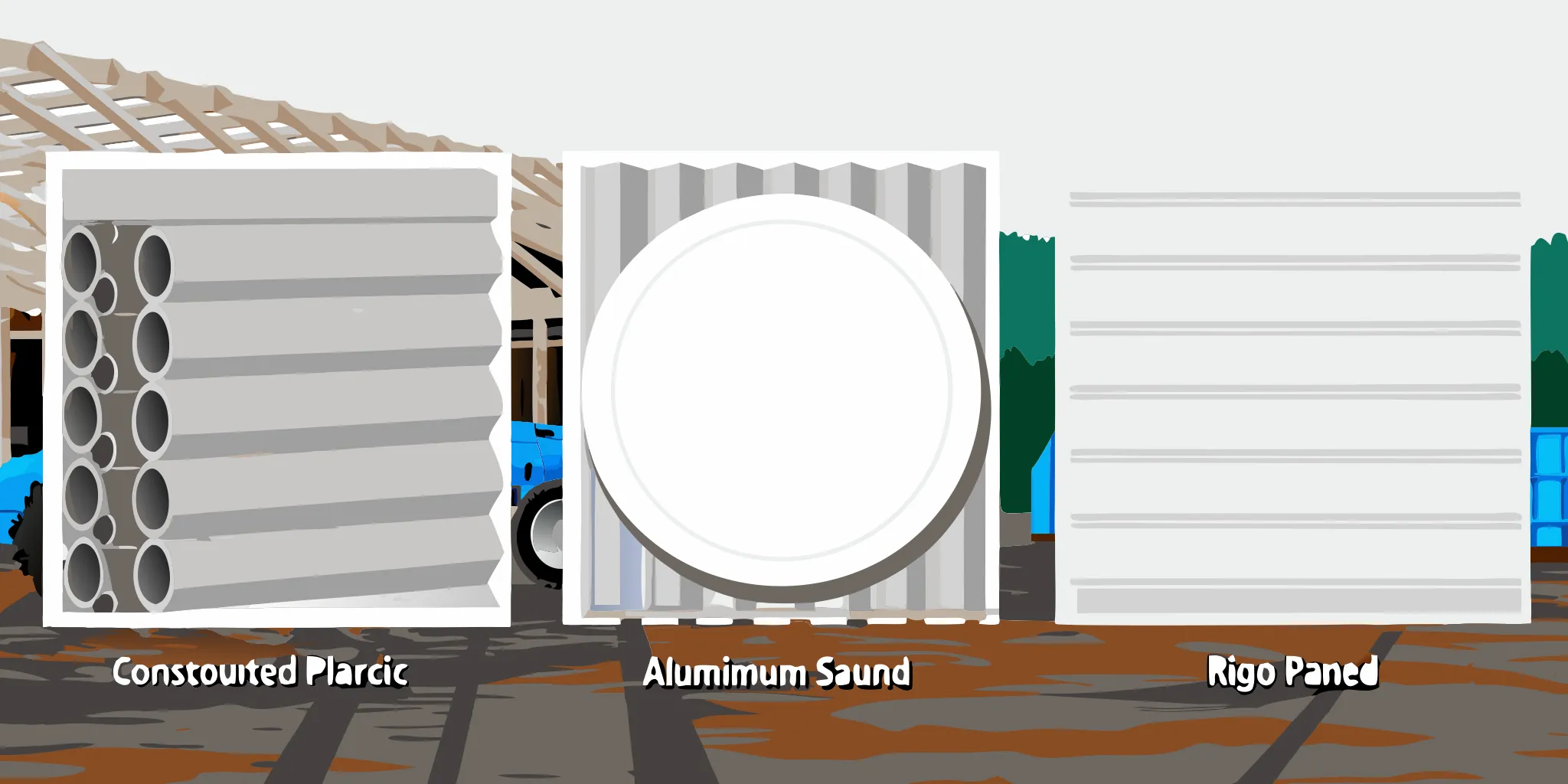
| Material | Best Use | Durability | Weight | Budget |
|---|---|---|---|---|
| Coroplast | Yard signs, short-term marks | Low (under 1 year) | Very Light | Lowest |
| Aluminum | Road signs, permanent safety | High (many years) | Heavy | High |
| ACM | Large site signs, branding | High (3-5 years) | Medium | Medium |
| PVC | Office signs, site maps | Medium (1-2 years) | Light | Medium |
When is Coroplast the right choice?
Coroplast is a common brand of corrugated plastic. This material is a practical choice within the range of construction sign materials. It looks like cardboard but is made from tough plastic. Most builders use it for short-term needs on a job site. It is light. You can move it from place to place with ease. This makes it great for sites that change every day. You can grab a stack of these signs and set them up as the work zone grows.
Best use cases for temporary signs
Short-term signs help keep a site safe and neat. Coroplast works well for signs that show where to park or where to find the office. Since it is light, you can hang it on a fence with zip ties. You can also stick it into the ground with wire stakes. Most people use the 4mm thickness for these yard signs. It is a low-cost way to share info for a few weeks or months. You can also add metal eyelets, called grommets, to make hanging even easier.
This material is also great for safety warnings that change with each phase of the job. You can print bold colors and clear text on the smooth surface. This helps workers and guests see vital rules from a distance. Because the cost is low, you can replace a sign if it gets dirty or torn. This keeps your site looking clean and tidy without a huge spend.
Handling moisture and outdoor exposure
Job sites often face rain and mud. Unlike wood or paper, Coroplast does not soak up water. It will not rot or peel when it gets wet. This makes it a smart choice for outdoor use in the Portland area. The plastic ribs inside the sheet give it strength while keeping it light. For bigger jobs on the road, some thick plastics are even safer. In fact, 10mm thick corrugated plastic is allowed for use on many highways. It can handle wind and weather better than the thin types.
When to consider an upgrade
While Coroplast is tough, it is not meant to last for years. Over time, the sun can make the plastic brittle. It may also bend if the wind is too strong for too long. If your project will last for more than a year, you may need something stronger. When comparing construction sign substrates, you might look at aluminum or PVC. These types cost more but stay stiff for a long time. They are better for main site signs that need to look new for many seasons.
Setting up these signs is quick and simple. You do not need heavy tools or a large crew. Most workers can put up many signs in just a few minutes. This speed helps you stay on track with your work. You can also take them down and use them again at the next site. This saves money and cuts down on waste for your business. It is the best choice for fast, easy, and low-cost job site tools.
Why choose aluminum for long-term jobsite signs?
For projects that last months or years, aluminum is the top choice for construction sign materials. This metal handles the wet weather in the Portland area without rust or rot. It stays stiff and flat even in high winds. Solid aluminum sheets or composite panels give you a strong base for any site message. These signs stay clear and easy to read from start to finish.
Strength of solid aluminum
Solid aluminum is a dense and heavy material that resists big impacts. It does not crack or peel when the temperature drops. Most road and traffic signs use this metal because it meets strict safety rules. For example, some 10 mm thick plastics are allowed on the National Highway System, but aluminum remains the standard for work zone safety devices. Its hard surface makes it a smart pick for signs near heavy tools or active gear.
You can mount solid metal signs to posts, walls, or fences with ease. They do not warp or sag over time like thinner plastics might. This means your brand looks professional every day. Using these sign material choices helps you avoid the cost of replacing damaged boards. It is a one-time buy for the life of your build.
Benefits of aluminum composite
Aluminum composite material, or ACM, is a modern take on metal signs. It uses two thin layers of metal with a plastic core in the middle. This design makes the board very light but still quite stiff. Brands like Alumalite are built to resist water damage like rot or swelling. It will not pull apart or wick moisture even after many rain storms. ACM is a great fit for large site maps or signs that need a flat, smooth look.
This material is often used for site offices or main entry gates. It gives you a clean look that mimics solid metal at a lower weight. Because it is light, you can hang it in more spots without extra support. You get the look of a premium sign without the heavy weight of a thick metal slab. Many teams use ACM when comparing construction sign substrates for their best projects.
Weather and rust resistance
Aluminum naturally forms a layer that stops it from rusting. This is vital for the rainy Pacific Northwest. While steel signs can flake and turn brown, aluminum stays clean. It also holds paint and vinyl well, so your colors stay bright. The metal does not get brittle in the cold or soft in the heat. This stable nature makes it the best long-term option for any outdoor site.
Where does rigid PVC perform best?
Rigid PVC sign board is a solid and smooth plastic used for high-quality signs. It is a dense material that stays flat and resists bending. Unlike hollow sheets, PVC is solid all the way through. This gives it a professional look. Many businesses choose it when they need a clean finish for their construction sign materials or site displays.
Best uses for PVC boards
PVC boards are best for indoor use or spots with cover. They work well for site office signs, safety boards, or menus. The smooth face of the board makes colors look bright and sharp. Since the material is rigid, it does not warp easily in a stable room. This makes it a top pick for signs that people will see up close in a professional space.
While PVC is tough, it has some limits with weather. Direct sun can cause the board to bow or fade over time. It can also get brittle in very cold air. Because of this, it is best for short-term outdoor use or sheltered areas. For long-term outdoor needs in the Portland area, other sign material choices might serve you better.
Weights and thicknesses
You can get PVC board in many sizes to fit your job. Common options include thin 1 mm sheets and thicker 10 mm boards (Vanderbilt University). A 3 mm or 6 mm board is often the standard choice for wall signs. These middle sizes offer a good balance of weight and strength. They are easy to mount but still feel solid to the touch.
When you pick a thickness, think about how you will mount the sign. Thinner boards are light and easy to hang with tape or small screws. Thicker boards provide more impact resistance and can stand on their own if needed. Our team can help you find the best match for your project goals and budget.
How to select a construction sign material
Choosing the right construction sign materials is vital for any Portland job site. The wet weather in the Pacific Northwest can damage weak signs fast. You need a board that stays clear and strong until your work is done. This helps keep your crew safe and makes your site look good to the public.
Check your site conditions
Your project spot tells you what you need. Sites with high wind need thick boards that will not bend or snap. If your sign is near a road, you must check local safety rules. For example, some 10 mm corrugated plastics are approved for use in work zones on the National Highway System. These boards are tough enough to handle road debris.
Think about how much people will move or touch the sign. Frequent handling can scratch soft items like thin PVC. If your site has lots of dust, pick a type that is easy to wash. A smooth surface keeps your brand colors bright in a messy workspace. This ensures your message is easy to read from a distance.
Think about your project length
Short jobs often use light plastic boards. These are easy to carry and simple to put up. If your work lasts for a year or more, you should buy metal. Aluminum composite panels are a top choice. They resist water damage and will not rot, swell, or peel over time. This saves you money because you do not have to buy new signs each season.
Matching the sign life to the job length is a smart way to plan. Using a costly metal for a one-week job may waste your cash. But a cheap sign that breaks mid-job causes a safety risk for everyone. We can help you pick the right board to fit your goals and your budget.
Plan for mounting and look
You must think about where the sign will go. A sign on a flat wall can be thin. A sign on a post needs to be stiff. Some metals can be cut into custom shapes to fit your space. This helps your site look clean and well-run. You can choose from many sizes to find the best fit for your frame or fence.
The look of the sign matters for your brand. High-quality prints on PVC look very clean for sales offices. On the other hand, shiny metal is best for safety signs that need to be seen at night. Picking the right finish helps your site stand out for the right reasons. We can guide you through these choices to find a great match.
- Look at the local wind and rain. Check where the sign will be placed. Heavy wind or rain in the Portland area needs tough boards like metal or thick plastic.
- Think about the total job length. Use 4 mm Coroplast for short tasks that last less than a month. Switch to aluminum for any job that stays up for half a year.
- Decide how you will hang the sign. Light boards work well on chain-link fences. Heavier metal sheets need a flat wall or a strong post to stay safe and upright.
- Set your total project budget. Plastic is the best low-cost choice for many small signs. Metal costs more at first but lasts a long time in the sun and rain.
- Check for custom shape needs. Ask if your sign needs to be a special size. Many metals can be cut to fit your site, which makes them easy to mount.
- Pick your final type and size. Choose thick PVC for a clean look on a sales office. Use heavy metal for road signs that need to be very stiff and strong.
Plan the message, finish, and installation
Effective construction signs pair the right substrate with legible artwork, a finish suited to the viewing environment, and mounting hardware sized for the location. Planning those details together reduces glare, premature wear, and installation delays.
Explore APM PrintWorks sign capabilities for custom sizes, finishes, and large-format production.
Picking the right construction sign materials is just the first step. You must also plan how people see and read your message on a busy site. Good design helps your signs work well and stay safe. APM Printworks helps firms in the Portland area make signs that are clear and easy to find from far away.
Design for distance and contrast
The size of your text depends on how far people are when they look at it. High contrast between the back and the letters makes words easy to read. For example, black text on a yellow or white base stands out well in most light. Put the most vital info, like safety rules or site names, at the top of the sign where people see it first.
When you pick sign material choices, think about the finish. A matte finish helps cut glare from the sun, which is good for signs near roads. Shiny finishes can make colors look bright but might reflect too much light in some spots. Our team can help you choose the best look for your site.
Safety rules and finishing options
Safety signs must follow clear rules to keep people safe. Federal groups like the FHWA have set rules for materials used in work zones. For instance, 10 mm corrugated plastic is accepted for use on some traffic tools. Using the right thickness and material helps your site stay within safety norms.
Finishes make your signs last longer and make them easy to mount. Aluminum signs can be cut into custom shapes and come in many thickness levels like .040 or .080 inches. You can add metal rings to help you hang signs on fences. Pre-drilled holes also make it fast to bolt signs to walls or posts during a busy day.
Stakes and frames for site setup
How you set up your sign is just as vital as the print quality. Many short-term signs use H-stakes that slide into the gaps of plastic boards. These stakes work well for soft ground or grass. For long-term needs, you might use heavy-duty A-frames or wood posts. These keep your signs steady even when the wind picks up or the weather changes.
Planning your setup early saves time and cash. Think about where your signs will go before you start the job. Do you need frames, holes, or special mounts? Good plans ensure that every sign is in the right place to guide people and keep them safe. APM Printworks works with you to make sure your signs are ready for any task.
What should Portland project teams consider?
Portland project teams face special tasks when they pick construction sign materials. The local weather, with its steady rain and strong winds, puts a lot of stress on short-term signs. Choosing the right goods makes sure your signs stay seen and look good from the start of the build until the day you open. You must think about how the signs will handle the wet and how often you will need to move them.
Weather and site conditions
Portland is famous for its wet days. Steady moisture can cause some boards to warp or peel over time. To avoid this, teams should look for goods that resist water damage. For example, aluminum composite material (ACM) uses two metal sheets with a plastic core. This stops swelling or rotting during long weeks in the rain. This makes it a great choice for signs that must last through many months of winter.
Wind is another big factor in the local area. Large banners or fence wraps can act like sails if they are not put up right. Using mesh goods or adding wind holes can help lower the load on your fence. You also need to think about the wall where the sign will hang. A sign on a flat wall handles wind in a different way than one on a wire fence. Picking the right mount for the job is just as vital as the sign itself.
Project phases and movement
Building sites are always on the move. Signs often need to shift as crews move from site prep to framing and finishing. Light options like 4mm Coroplast are easy to carry and hang again as needed. If you plan to move your construction sign materials often, look for light but tough boards that can handle the work. These materials save time and keep your team safe as they shift signs around the site.
Project phases also tell you which signs you need and when. Early phases might use simple mesh wraps for privacy and dust control. Mid-project stages often need safety signs that meet strict rules. Final stages usually feature high-quality “coming soon” or leasing signs. Keeping the same look across all these signs builds trust with the public. Using the same colors and fonts across your fence wraps and site boards helps people know your brand at a glance.
What your printer needs to know
To get the best results, you must give your print shop clear facts. They need to know how long the sign will stay up and where it will go. A sign that sits in direct sun for a year needs a different coat than a sign used in a shed for a month. If you are not sure, ask for a pro view. The team can help when you are comparing construction sign substrates for your site.
When you talk to your printer, bring these details to the meeting:
- The exact size of the space where the sign will hang.
- How the sign will be put up (screws, ties, or frames).
- How long you expect the sign to stay in one place.
- Any special rules for the job site or local area.
Sharing these facts helps the printer pick the best material for your budget. This makes sure you do not spend too much on signs for a short task. It also prevents you from buying signs that will fail in the next storm.
Frequently Asked Questions
These quick answers address common purchasing questions about construction sign materials, durability, and compliance. Final specifications should still reflect the site, mounting method, and applicable project requirements.
What are the most durable materials for construction signs?
Aluminum is widely seen as the most durable option for outdoor construction sites. According to the City of South Milwaukee, aluminum composite materials are both strong and light. These panels use two metal sheets with a plastic core to stop water damage. This build helps the signs resist rust and rot during long projects in wet weather. This makes them much more lasting than plastic or wood boards.
When should you use Coroplast versus aluminum for construction signs?
Choose Coroplast for short tasks like temporary site notices or yard signs. It is low in cost and light. Pick aluminum for permanent safety signs or long-term branding that must stay clear for years. Data from FHWA shows that 10 mm corrugated plastics are safe for work zones. Use Coroplast to save money on quick needs and aluminum to ensure your message lasts through wind and rain.
How do PVC signs compare to aluminum for construction sites?
PVC boards offer a smooth and professional look often used for branding and office signs. While PVC is thick and rigid, it lacks the extreme weather resistance of aluminum. High-quality aluminum can resist UV rays and physical impact better over time. Experts at Vanderbilt University note that PVC comes in many thicknesses for indoor or outdoor use. Aluminum remains the top choice for heavy-duty safety signs on active builds.
What OSHA requirements apply to construction sign materials?
OSHA rules focus more on what a sign looks like than what it is made of. The signs must be easy to read and stay in place while work happens. They must use the right colors and shapes to warn of risks on the job site. While OSHA does not name one specific material, you must pick one that can handle the local site conditions. Most teams use metal or rigid plastic to meet these safety goals.
Is Coroplast suitable for long-term outdoor construction use?
Coroplast is not the best choice for long-term outdoor use. It is a plastic material that can become brittle or fade after too much sun and wind. For a project that lasts more than a few months, aluminum or PVC will perform better. Use Coroplast for fast, cheap signs that you plan to replace often. This helps keep your site costs down while ensuring your signs stay bright and easy for workers to see.
Request a quote for Portland construction signs
The best material is the one that stays readable for the required service life without adding unnecessary weight or replacement cost. Share the sign size, placement, expected duration, mounting method, and exposure conditions with APM PrintWorks so the production team can recommend a practical substrate and finish.
Request a quote from APM PrintWorks for high-quality construction signs with fast turnaround.