
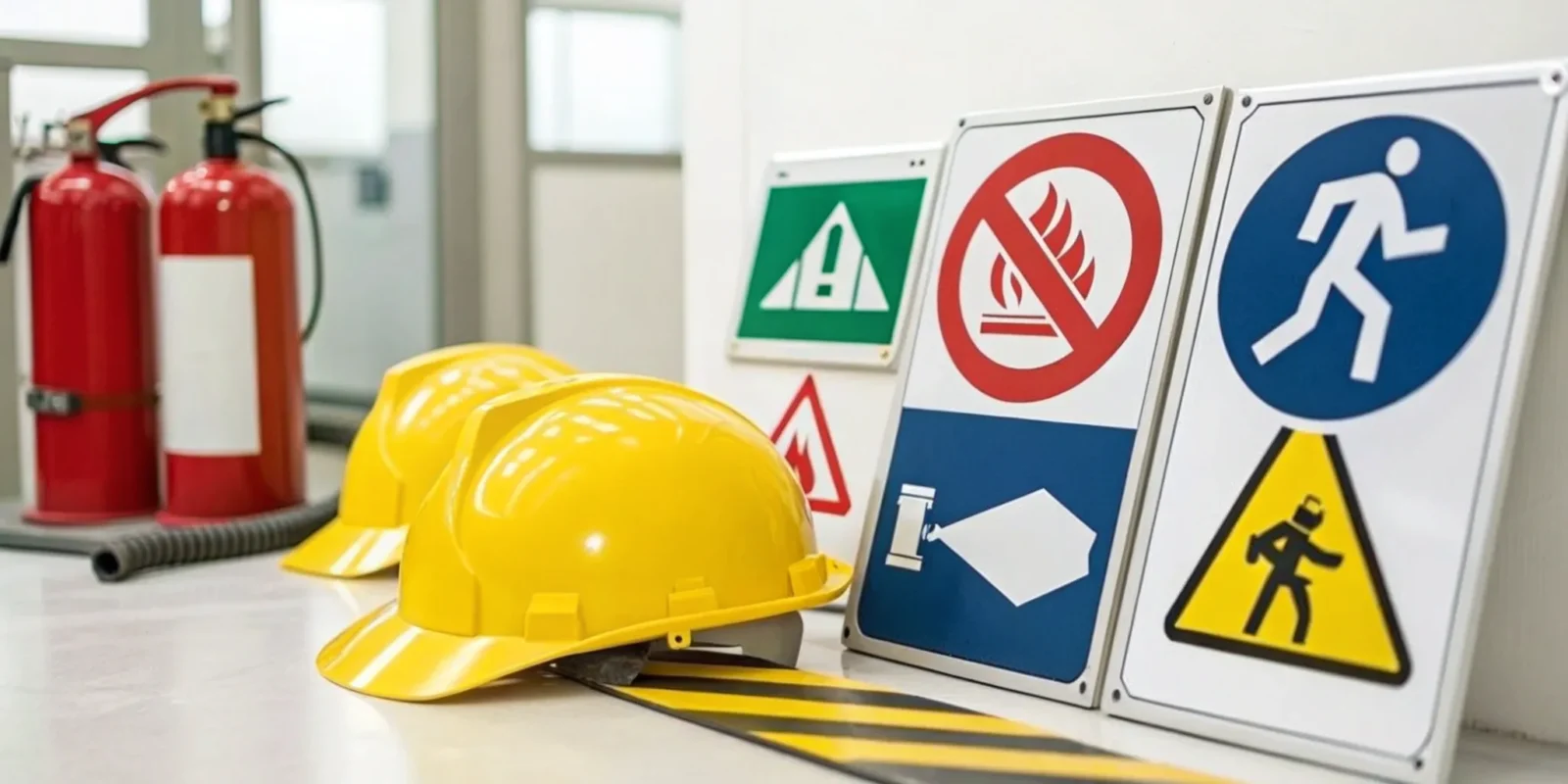
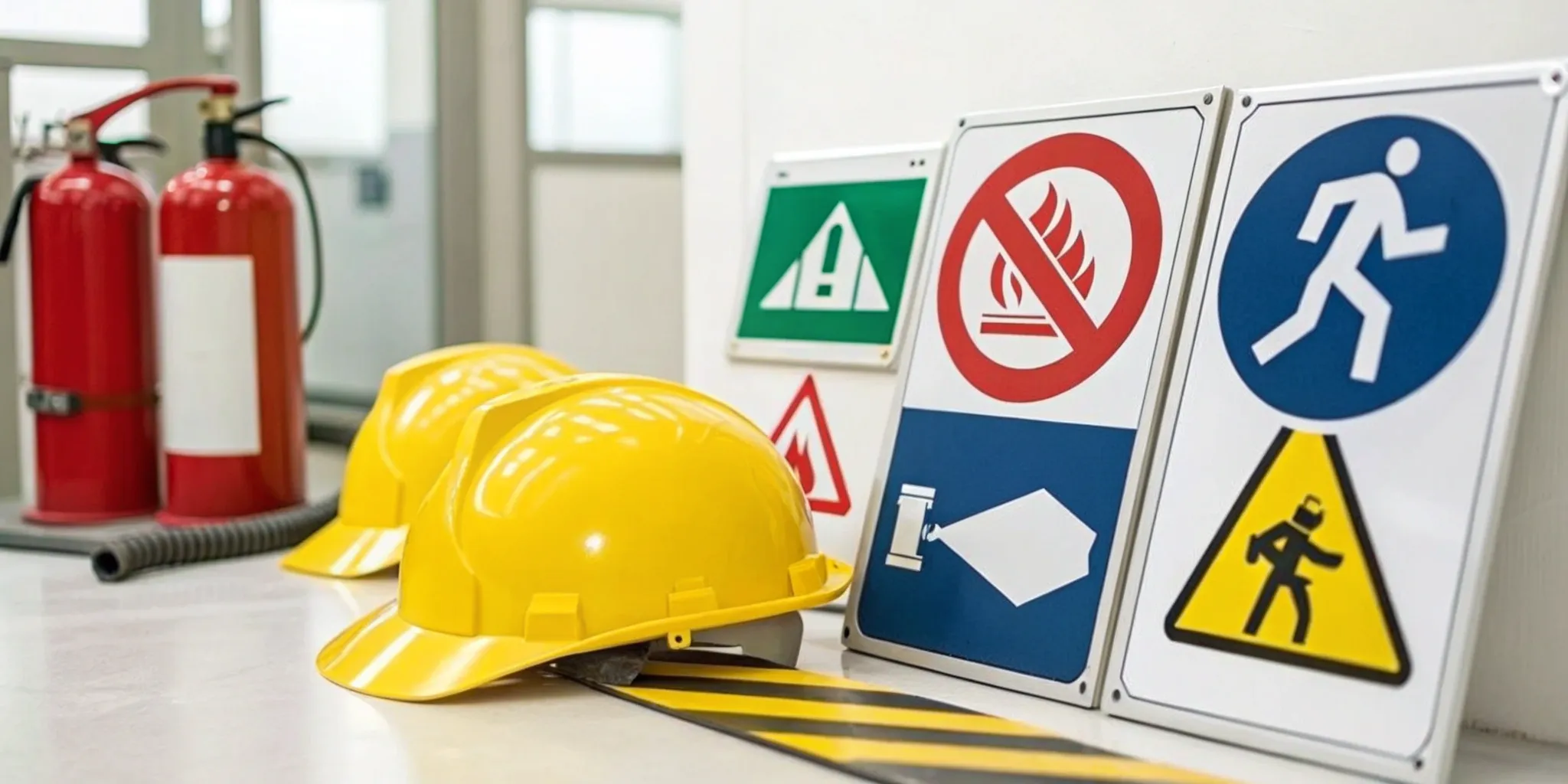
Think of safety signs as a universal language. Using a standardized system of colors, shapes, and symbols, they convey critical information instantly, cutting through noise and overcoming language barriers. When implemented correctly, safety signs in the workplace act as constant reminders that guide behavior and alert your team to potential dangers before it’s too late. But this visual language only works if you and your team are fluent. This guide will help you understand what each type of sign means, how to choose signs that communicate with absolute clarity, and how to place them for maximum impact, turning your facility into a safer, more intuitive environment.
Key Takeaways
- Master the Five Sign Categories: Learn the distinct roles of prohibition, warning, mandatory, emergency, and fire safety signs. Using the correct sign for each situation ensures your safety messages are clear, instantly understood, and effective.
- Invest in Compliant, High-Quality Materials: Your signs are a long-term safety tool, not a disposable expense. Choose durable, weather-resistant materials that meet OSHA standards to guarantee they remain legible and effective, preventing accidents and avoiding costly replacements.
- Integrate Signs into Your Broader Safety Program: Effective signage goes beyond just hanging it on the wall. Reinforce their meaning with employee training, perform regular maintenance checks, and place them strategically to support—not replace—your overall safety culture.
What Are the Main Types of Workplace Safety Signs?
Walking into any workplace, you’ll notice a variety of signs. They aren’t just decorations; they’re a critical communication tool designed to keep everyone safe. These signs use a standardized system of colors, shapes, and symbols to convey important information at a glance, overcoming language barriers and ensuring messages are understood quickly. Knowing the different categories of safety signs is the first step toward creating a safer environment for your team and visitors.
Each type of sign serves a distinct purpose, from telling you what not to do to showing you where to find life-saving equipment. By understanding these classifications, you can ensure your facility has the correct safety materials in all the right places, helping you meet regulatory requirements and, more importantly, prevent accidents. Let’s break down the five main types of workplace safety signs you’ll encounter.
Prohibition Signs
Prohibition signs are the rule-setters of the workplace. Their job is to clearly state which actions are forbidden to prevent immediate danger. You can spot them by their distinct look: a round shape with a black symbol on a white background, all framed by a bold red border with a red slash running through the symbol. Think of the classic “No Smoking” sign—it’s a perfect example. These signs are non-negotiable and are placed in areas where a specific action could lead to injury or accidents. Common examples include “No Entry” for restricted areas or “Do Not Operate” on faulty machinery.
Warning Signs
If a prohibition sign says “don’t,” a warning sign says “watch out.” These signs alert everyone to potential hazards or dangers that might not be immediately obvious. They are designed to catch your attention with their triangular shape, yellow background, and black symbol. You’ve likely seen them for “Slippery When Wet” floors, “High Voltage” areas, or near hazardous materials. The goal of a warning sign is to make people aware of a risk so they can proceed with caution or take necessary precautions, playing a key role in preventing workplace incidents before they happen.
Mandatory Signs
Mandatory signs are all about instructions that you must follow to stay safe. These signs specify a particular action or behavior required before entering an area or performing a task. They are easily identified by their round shape and blue background with a white symbol. These signs often relate to Personal Protective Equipment (PPE), with common examples being “Hard Hat Area,” “Eye Protection Required,” or “Safety Footwear Must Be Worn.” Following these directives is essential for personal safety and for maintaining compliance with workplace safety standards. They act as a constant reminder of the safety protocols in place.
Emergency Signs
When things go wrong, emergency signs show you the way to safety. These signs are your guide during an urgent situation, pointing out the location of emergency exits, equipment, and facilities. They feature a green background with a white symbol and are typically square or rectangular. You’ll see them indicating “Emergency Exit,” “First Aid Station,” or an “Evacuation Route.” In a high-stress situation, the clear and simple design of these signs helps people quickly find escape routes or access first-aid supplies, which can make a life-saving difference. Their consistent green color is universally associated with safety and go-aheads.
Fire Safety Signs
Specifically designed to assist during a fire, these signs point out the location of fire-fighting equipment. They are almost always red to signify danger and the urgency of fire, and they come in square or rectangular shapes with a white symbol. Common examples include signs for a “Fire Extinguisher,” “Fire Hose,” or “Fire Alarm” call point. Having this equipment clearly marked is a fundamental part of any building’s fire safety plan. In the event of a fire, these signs help people take immediate action, whether it’s fighting a small blaze or activating an alarm to alert everyone to evacuate the building safely.
How to Choose High-Quality Workplace Safety Signs
Selecting the right safety signs goes beyond just picking the correct message. The quality of the sign itself—from its material to its design—plays a huge role in its effectiveness. A sign that fades, breaks, or is hard to read can be just as dangerous as no sign at all. Think about it: a faded “High Voltage” warning or a cracked “Slippery Floor” sign fails at its one job, creating a false sense of security. When you invest in high-quality signage, you’re making a direct investment in your team’s safety and your company’s compliance. It shows your employees that you take their well-being seriously and helps build a stronger safety culture from the ground up. To make sure your signs can do their job properly, you need to focus on four key areas: the durability of the materials, the clarity of the design, adherence to official standards, and strategic placement. Getting these elements right ensures your safety messages are seen, understood, and respected when it matters most, turning a simple sign into a powerful tool for accident prevention.
Look for Durable, Weather-Resistant Materials
One of the biggest mistakes you can make with safety signs is choosing a material that can’t hold up to your work environment. A sign that peels, fades, or cracks after a few months isn’t just a waste of money; it’s a safety liability. To avoid this, look for a solution that can stand the test of time. For outdoor signs or those in tough industrial settings, consider materials like aluminum or rigid plastics that resist weather, chemicals, and UV exposure. Choosing the right safety materials from the start means you won’t have to worry about frequent replacements, and your critical safety messages will remain clear and intact for years.
Prioritize High Visibility and Readability
A safety sign is only effective if people can see and understand it instantly. Your signs should be legible, brief, and use the proper colors to convey their message without confusion. This means using high-contrast color combinations, clean and simple fonts (think sans-serif), and universally recognized symbols or pictograms whenever possible. The goal is for an employee to glance at a sign and immediately grasp the hazard or instruction, especially in a fast-moving or emergency situation. A cluttered or poorly designed sign can cause hesitation, which can be dangerous in a hazardous environment.
Ensure OSHA and ISO Compliance
Following official safety standards isn’t optional—it’s a legal requirement. Adhering to the rules set by the Occupational Safety and Health Administration (OSHA) helps you avoid significant fines and legal trouble. More importantly, these standards are designed to create a genuinely safer workplace by ensuring consistency and clarity in safety communication. When ordering signs, confirm they meet OSHA 1910.145 specifications for signage. Working with a print provider who understands these regulations ensures your signs are fully compliant, protecting both your employees and your business.
Select the Correct Size and Placement
Even a perfectly designed, compliant sign is useless if it’s hidden behind a piece of equipment or is too small to read from a distance. One of the most common errors is placing signs where they are easily overlooked. Before installing a sign, consider the viewing distance and the typical line of sight for people in the area. Place signs at eye level in well-lit locations, free from obstructions. The size of the sign should be large enough for the text and symbols to be legible from a safe distance, giving employees enough time to react to the warning or instruction.
Common Safety Signage Mistakes (And How to Avoid Them)
Putting up safety signs is a great first step, but their effectiveness hinges on how they’re used. Simply having signs in your facility isn’t enough to guarantee a safe environment or ensure compliance. Many well-intentioned businesses make simple mistakes that render their signage ineffective, creating a false sense of security. From placement to maintenance, every detail matters.
To get the most out of your investment in safety, it’s important to be aware of the common pitfalls that can undermine your efforts. By understanding these mistakes, you can create a visual communication system that truly protects your team and keeps your workplace safe. Let’s walk through the most frequent errors and, more importantly, how you can easily avoid them.
Overcrowding an Area with Signs
When you’re committed to safety, it can be tempting to put up a sign for every possible hazard. However, plastering a wall with too many warnings can backfire. This overload of information can lead to what’s known as ‘sign blindness,’ where employees become so accustomed to seeing signs that they stop paying attention to any of them. Instead of adding clarity, you create visual noise. To avoid this, be strategic. Focus on the most critical hazards in a specific area and use clear, concise signs. A single, well-placed sign is far more effective than ten that get ignored.
Neglecting Regular Maintenance
A safety sign is only useful if people can read it. Over time, signs can become dirty, faded, or damaged, making them difficult to understand or even see. A sign covered in dust in a dim corner or a warning label that has peeled off a machine serves no purpose. This isn’t just an issue of tidiness; it’s a direct safety risk. Make it a point to include your safety materials in your regular facility maintenance checks. Wipe them down, check for damage, and ensure they are well-lit to maintain visibility and keep your team protected.
Choosing the Wrong Location
Where you place a sign is just as important as what it says. One of the most common mistakes is putting signs in locations where they are easily overlooked—behind a piece of equipment, above a doorway, or too low to the ground. A sign should be placed in the direct line of sight of the people it’s meant to protect, and it should appear just before they encounter the potential hazard. Think about the workflow in the area. Place signs at eye level and in well-lit spots where they can’t be missed.
Substituting Signs for Safety Training
Safety signs are powerful tools, but they are meant to be reminders, not replacements for proper safety protocols and training. A “Caution: Wet Floor” sign is helpful, but it doesn’t fix the leaky pipe causing the puddle. Signs should be used to reinforce training and draw attention to hazards that cannot be completely eliminated. Remember, signs are meant to complement, not replace, making the workplace safer or providing your team with hands-on instruction. They are one piece of a much larger safety puzzle.
Forgetting to Educate Employees
You can have perfectly designed, compliant signs placed in all the right spots, but they mean nothing if your employees don’t understand them. Never assume that everyone knows what a specific symbol, color, or phrase means. Effective training for employees on what each sign means is crucial for compliance and, more importantly, for their safety. Incorporate safety sign education into your new-hire onboarding process and hold regular refreshers during team meetings. When your team understands the “why” behind each sign, they are much more likely to follow its direction.
Where to Source Your Workplace Safety Signs
Once you know what signs you need, the next step is finding a reliable partner to produce them. The right supplier will provide durable, compliant signs that clearly communicate hazards and keep your team safe. When you’re ready to order, consider your options for local partners, custom orders, and the balance between cost and quality.
Your Local Portland Partner: APM Printworks
Working with a local Portland printer for your safety signage has major advantages. A local team understands the specific needs of businesses in our area, from construction sites to manufacturing facilities. At APM Printworks, we offer fast turnarounds and hands-on support, so you can get your signs quickly and ensure they’re right for your environment. We specialize in creating clear, durable, and compliant essential safety solutions that protect your employees and keep your business running smoothly. Partnering locally means you get personalized service from a team that’s invested in our community’s safety.
Options for Custom and Bulk Orders
Your workplace has unique risks, and sometimes a standard sign just doesn’t cut it. That’s why it’s important to find a supplier who offers custom options. Whether you need to add specific instructions, include your company branding, or create a sign for a unique hazard, customization ensures your message is perfectly clear. Many suppliers can create custom signs without a significant extra charge. If you’re outfitting a large facility or multiple locations, ask about bulk ordering. Buying in larger quantities can often reduce the cost per sign, making it more affordable to implement a comprehensive safety signage program across your entire operation.
How to Compare Different Suppliers
When vetting potential suppliers, look beyond the price tag. The quality of the materials is one of the most important factors. Will the signs hold up in your specific work environment—whether it’s outdoors in the Portland rain or inside a busy warehouse? Ask about the durability of their products and what materials they use. A reputable supplier will prioritize high-visibility colors and clear, readable fonts that meet compliance standards. Check their reputation by looking at customer reviews and examples of their work. A great partner acts as a resource, helping you get the effective signage you need.
Balancing Price with Quality
It can be tempting to choose the cheapest signs available, but this approach often costs more in the long run. Low-quality signs can fade, peel, or crack, quickly becoming unreadable and non-compliant. This not only creates a safety hazard but also means you’ll have to spend more time and money replacing them. Instead, view safety signs as an investment. Opting for signs made from durable materials ensures they will last for years, providing a reliable and cost-effective solution. High-quality, long-lasting signs are a small price to pay for the safety and well-being of your team.
How to Install and Maintain Your Safety Signs
Once you have your high-quality safety signs, the next step is to make them an effective part of your workplace. Proper installation and ongoing maintenance are just as important as the signs themselves. A sign that’s hidden, dirty, or outdated won’t do its job of keeping your team safe. By creating a clear plan for placing, inspecting, and managing your signs, you ensure they remain a reliable tool for accident prevention. Think of it as a simple system that protects your employees and your business day in and day out.
Follow Best Practices for Placement
Where you put a sign matters. A warning sign tucked away behind a piece of equipment or in a dimly lit hallway is easy to miss. To make sure your signs are effective, always place them in high-visibility areas, preferably at eye level. Before you install a sign, walk through the area and think about the natural lines of sight for your employees as they move through their workday. The goal is for the message to be seen and understood instantly, without anyone having to search for it. Following OSHA’s guidelines for placement can help you get it right.
Create a Schedule for Regular Inspections
Safety signs are not a one-and-done task. Over time, they can fade, get dirty, or become damaged, making them difficult to read. Set up a simple maintenance schedule to check on your signs regularly—perhaps once a month or every quarter. During your inspection, make sure each sign is clean, well-lit, and free of any damage that obscures its message. This quick check helps you catch any issues early and identify signs that need to be repaired or replaced. A consistent schedule ensures your safety materials remain a clear and effective part of your safety program.
Train Your Team to Recognize Each Sign
A sign is only useful if your team understands what it means and how to react. Don’t assume everyone knows the difference between a warning and a mandatory sign. Make safety sign education a part of your new employee onboarding process and include refreshers in your regular safety meetings. This training should cover not just the meaning of each symbol and color but also the specific actions employees need to take in response. When your team is well-informed, your signs can function as intended, creating a safer and more aware work environment for everyone.
Stay Current with Safety Regulations
Workplace safety standards aren’t static; they can be updated as new information and technologies emerge. It’s your responsibility as a business owner to stay informed about current health and safety regulations to ensure your signage is compliant. This applies to businesses of all sizes. Regularly checking for updates from bodies like the Occupational Safety and Health Administration helps you avoid potential fines and, more importantly, ensures you’re providing the best possible protection for your employees. Staying current with these rules is a key part of a proactive safety culture.
Related Articles
- Essential Safety Solutions | Printworks | We’ve got you covered!
- Covid Signage | Printworks | We’ve got you covered!
- Signs | Printworks | We’ve got you covered!
Frequently Asked Questions
Do I need to use all five types of safety signs in my workplace? Not necessarily. The specific signs you need depend entirely on the unique hazards and procedures within your facility. A small office will have different requirements than a large manufacturing plant. The best approach is to conduct a thorough safety assessment of your workspace to identify potential risks. This will help you determine which signs—from prohibition to emergency—are essential for keeping your team safe and your business compliant.
What’s the biggest mistake people make with safety signs? One of the most common errors is treating safety signs as a one-time task. Many businesses will install a sign and then completely forget about it. A sign that is placed in a poor location, becomes covered in grime, or fades over time is just as ineffective as having no sign at all. Safety signs require attention to be effective, from strategic initial placement to regular checks to ensure they are still visible and legible.
Can I just print my own safety signs on a standard office printer? While it might seem like a quick and cheap solution, printing your own signs is generally not a good idea. Signs printed on standard paper lack the durability to withstand workplace conditions and will quickly fade, tear, or become unreadable when exposed to moisture or light. More importantly, they may not meet the strict OSHA requirements for color, size, and material, which could put you at risk for non-compliance fines.
How do I know if my signs are compliant with OSHA regulations? The simplest way to ensure compliance is to work with a professional print provider who understands the specific legal standards for safety signage. OSHA has detailed rules about the colors, shapes, and symbols used for different types of warnings. A knowledgeable printer can guide you to ensure the signs you purchase meet all the necessary requirements, protecting both your employees and your business from potential issues.
How often should I be updating or replacing my safety signs? There isn’t a strict expiration date for a safety sign, but they should be replaced as soon as they are no longer effective. This means you should replace any sign that is faded, damaged, or difficult to read. It’s also important to update your signage if your workplace procedures change or if safety regulations are updated. Including your signs in a regular monthly or quarterly maintenance check is a great way to stay on top of it.