
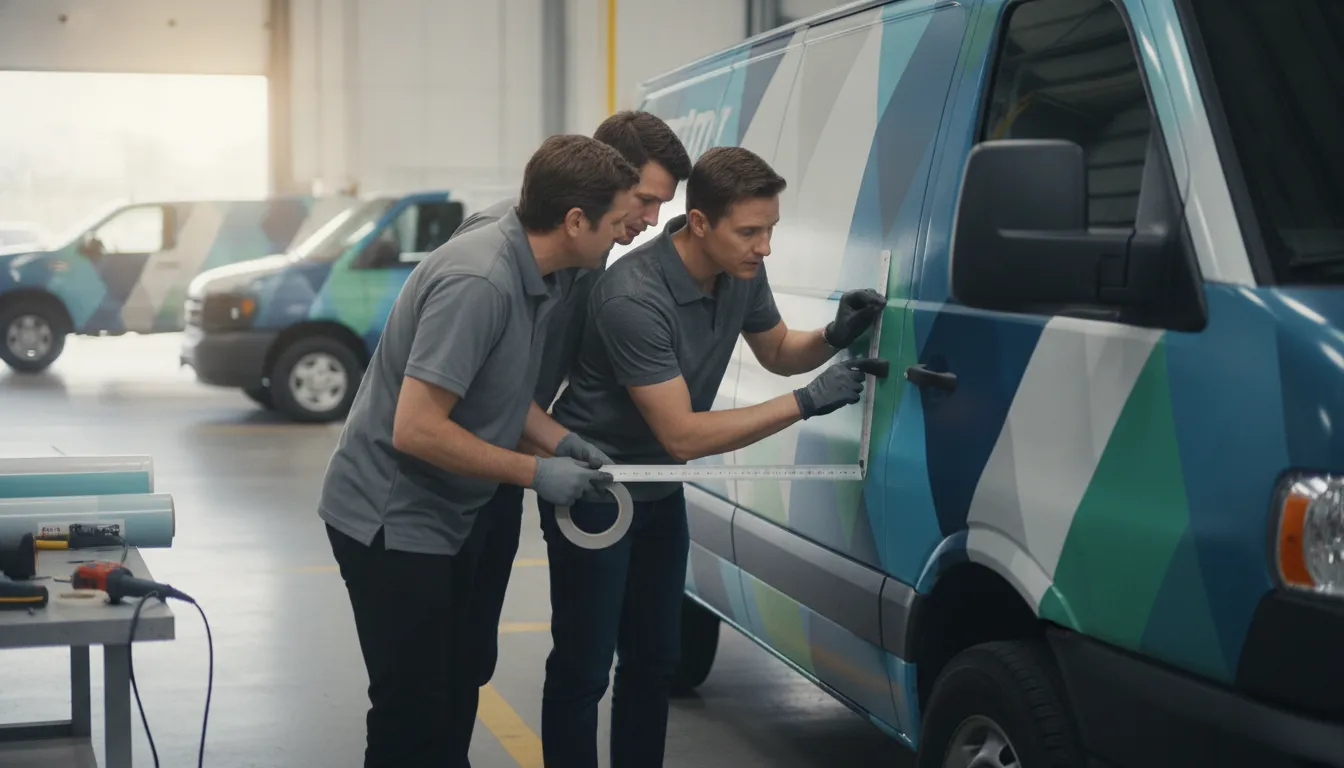
Removing graphics from a work van, service truck, or fleet vehicle is not a single flat-rate task. The work may involve lifting different film materials, working around trim and hardware, addressing adhesive residue, and inspecting the vehicle before a replacement or rebrand. A clean plan starts with the vehicle count, coverage, film condition, and the finish you need afterward.
The cost to remove vehicle wrap depends on project scope, including vehicle size. How much surface is covered, film and adhesive condition, access, and the number of vehicles involved. A professional assessment is the reliable way to define labor and timing without inventing a price before the vehicles are inspected.
For Portland-area businesses and fleets, APM PrintWorks can help coordinate removal planning with the next graphics project from its Beaverton location. That local perspective matters when several vehicles need a consistent schedule, careful handling, and a clear path from current branding to the next one. Understanding the main cost drivers makes the planning conversation more productive.
Contact APM PrintWorks for a project assessment.
How to Plan for the Cost to Remove Vehicle Wrap Graphics.
There is no universal flat price for the cost to remove vehicle wrap graphics because every vehicle and film installation presents a different scope of work. A clear quote depends on what is being removed, how much surface it covers, the condition of the material and underlying surface, and what process the project requires. A fleet with consistent vehicles and similar graphics may be easier to plan than a group assembled over several years with different films, panels, and installation histories.
A useful assessment starts with the vehicle itself. The size and number of vehicles affect the total scope, while full wraps, partial wraps, spot graphics, decals, and other applications can require different levels of labor. The condition of the existing graphics also matters. Film that is firmly bonded, weathered, layered, or leaving adhesive behind may require more careful work than a straightforward removal. These are reasons to avoid treating an online estimate as a guaranteed project price.
What a removal quote should account for
- Labor: The crew’s time depends on the amount of film, access to each panel, the vehicle design, and how readily the material releases.
- Materials and process: Removal may involve appropriate tools and cleanup materials. The selected process should reflect the film, vehicle surface, and project requirements.
- Condition review: Existing adhesive, paint condition, prior repairs, and surface irregularities should be discussed before work begins. A removal assessment is not a promise about the final condition of the vehicle.
- Project scope: A single vehicle, a mixed fleet, and a coordinated rebranding program each require different scheduling and project planning.
APM PrintWorks uses project-based custom quotes, with complexity, volume, materials, and process influencing final pricing. Its vehicle wrap graphics and installation team can help Portland-area businesses evaluate removal alongside replacement or rebranding needs. Based in Beaverton, APM serves organizations across the Greater Portland metro with a local, consultative approach to planning the work.
Why Vehicle Size and Coverage Change Removal Effort.
The cost to remove vehicle wrap graphics depends partly on how much surface is covered and how many separate areas must be assessed. A tall box truck, delivery van, work truck, and passenger vehicle can present very different panel shapes, access points, and working areas. An automotive training publication makes the basic material point clearly: larger vehicles require larger pieces of vinyl for wrapping. That same difference in surface area helps explain why removal scope should be based on the actual vehicle, not a generic per-vehicle assumption.
Coverage type is another important planning detail. APM PrintWorks offers full wraps, partial wraps, spot graphics, custom-cut vinyl decals, car magnets, and fleet graphics programs. Each option can leave a different removal plan. Full wraps may involve most painted panels, while a partial wrap or spot graphic may limit the work to selected doors, sides, hood, or other areas. Decals and smaller graphics can be more localized, but panel count, edge detail, access, and the condition of the film still need review.
| Coverage or program. | What to document. | Why it changes the work. |
|---|---|---|
| Full wrap | Vehicle size and all covered panels | More surface area and access points may require a broader removal plan. |
| Partial wrap | Covered sides, doors, hood, or rear areas | Selected panels can simplify the scope, but transitions and edges still matter. |
| Spot graphic or decal | Graphic locations, quantity, and edge detail | Localized graphics may reduce coverage while increasing the importance of precise panel review. |
| Fleet program | Vehicle types, quantities, and graphic consistency | Volume adds scheduling, tracking, and coordination across vehicles. |
For a fleet, count more than vehicles. Record each vehicle type, the panels covered, and whether graphics match across units. A mixed fleet may need separate removal plans even when the branding looks similar. APM’s commercial vehicle wrap options provide a useful starting point for organizing that scope. A Portland-area business can then request a project-specific assessment based on its vehicles, coverage, and rebranding goals.
How Film Age, Adhesive, and Surface Condition Affect the Work
Two vehicles with the same wrap coverage can require very different removal work. Film age, sun exposure, adhesive behavior. And the condition of the underlying finish all influence how quickly a technician can lift the material and prepare the vehicle for its next use. That is why the cost to remove vehicle wrap should be based on an inspection rather than a vehicle size alone.
Older film may take more careful labor
Industry estimates commonly note that newer, well-maintained film may release more readily, while vinyl that has spent years in strong sun can become more brittle or firmly bonded. Heat, weather, washing practices, and exposure vary from one vehicle to another, so age is a planning signal, not a guaranteed timetable. A fleet manager can review vehicle wrap replacement planning alongside the removal schedule to identify units that may need attention first.
Adhesive residue changes the scope
Removing the visible film is only part of the job. Adhesive residue may remain on the surface, particularly when the material has aged, the vehicle has been exposed to heat, or the wrap material behaves differently than expected. Industry discussions describe residue cleanup as a significant labor variable, sometimes requiring additional remover, controlled work, and repeated surface checks. Those reports provide useful context, but they are not a quote or a promised outcome for every APM project.
Surface and material condition deserve a close review
Before removal, the team should look for existing paint wear, repairs, oxidation, trim complications, and areas where the film or adhesive may interact differently with the finish. The film itself can also vary by manufacturer, construction, age, and installation history. NIST identifies characterization of automotive vinyl wraps as a research need and discusses the potential effects of wrap materials on paint transfer. Read the NIST material-characterization assessment for that technical context.
These factors do not automatically mean damage or an unsuccessful removal. They explain why a responsible assessment should document the vehicle’s present condition, identify the film where possible, and separate removal from any unrelated paint correction or bodywork. For a single vehicle or a larger rebranding effort, APM PrintWorks can review the condition and scope before recommending the next step.
What Should a Fleet Inspect Before Removal?
A short inspection can make the cost to remove vehicle wrap easier to evaluate and help a fleet avoid scheduling surprises. Before requesting a quote, collect the same information for every vehicle and note differences that could affect the work.
Build a vehicle-by-vehicle record
- Vehicle identity: Record the year, make, model, unit number, and current location. Include photos of each side, the front, rear, roof, and any areas with graphics.
- Wrap coverage: Identify whether the vehicle has a full wrap, partial wrap, spot graphics, decals, magnets, or layered graphics. Note lettering or markings that may be separate from the main film.
- Film details: Write down the installation date, installer, manufacturer, product name, and material type if those records are available. If the film’s age or composition is unknown, say so rather than guessing.
- Panel condition: Mark peeling edges, tears, bubbles, deep scratches, repaired panels, rust, heavy contamination, or areas where adhesive appears to have migrated beyond the film.
Document the paint and work environment
Photograph the exposed paint or substrate where it is already visible, and note recent bodywork, repaints, decals beneath the wrap, or known surface defects. These observations do not predict a particular removal result, but they give the installer useful context for planning and discussing potential variables.
Access matters for fleets. Confirm whether vehicles can be grouped at one location, whether indoor space is available, and whether the shop can reach all sides of each vehicle. List any delivery windows, active routes, lifts, height restrictions, or vehicles that cannot be taken out of service at the same time.
Decide what happens next
Finally, decide whether each unit will return to its original appearance, receive replacement graphics, or move into a broader rebrand. Separate removal from replacement in the vehicle list so the scope stays clear. APM PrintWorks has in-house creative and professional installation teams, which can support a coordinated discussion when new graphics are part of the plan. Its vehicle wrap replacement planning resource can help organize that next conversation.
Removal vs. Replacement: How to Plan the Full Rebrand
Removing existing graphics and installing a new identity are related decisions, but they are not automatically one service or one appointment. Start by deciding whether each vehicle needs a clean removal, a direct replacement, or a phased rebrand that keeps the fleet identifiable while the work proceeds. The right sequence depends on the vehicle condition, the graphics being replaced, the number of units, and how much downtime the organization can manage.
For a single vehicle, the plan may be straightforward: review the current film, schedule removal, inspect the surface, approve the new design, and arrange installation. A fleet needs more coordination. Identify which vehicles share the same layout, which have different body styles, and whether the new identity must appear across every unit at once. A shared design system can keep colors, logos, contact details, and placement consistent without forcing every vehicle into an identical template.
Design approval should happen before removal is scheduled when the replacement graphics are part of the same business decision. That gives the team time to confirm artwork, vehicle measurements, naming conventions, and any location-specific details. APM PrintWorks supports coordinated graphics, replacement, rebranding, and fleet programs for businesses and organizations. Its fleet wrap rebranding preparation resource can help managers organize design files and production questions before a larger rollout.
When temporary graphics make sense
Permanent graphics are not the only option. APM notes that vehicle wraps may be permanent or temporary, with removable options suited to businesses whose needs change. Temporary or removable graphics may be worth considering for leased vehicles, seasonal campaigns, interim branding, or a transition during a merger or name change. They still require a material and surface review, so do not assume that a removable option eliminates planning or inspection.
Coordinate the fleet, not just the artwork
Build the schedule around vehicle availability, operating routes, cleaning and inspection needs, and the order in which graphics will be removed and replaced. Some organizations may prefer a staged rollout so vehicles remain in service; others may prioritize a consistent launch date. APM also offers large vehicle vinyl graphics and multiple coverage options, which can help match the new identity to each vehicle’s role. A local Portland metro provider can discuss the scope and sequence with the fleet manager before the work is scheduled.
What Does a Professional Removal Timeline Include?
A professional removal project is easier to plan when it is treated as a sequence of decisions rather than a single shop visit. For Portland-area fleets, the cost to remove vehicle wrap graphics and the schedule depend on the number of vehicles. The coverage, the film and adhesive, and the condition of each surface. APM PrintWorks uses a project-based approach, so a custom assessment is more useful than an assumed hourly or daily promise.
1. Scope request and vehicle review
Start by sharing the fleet count, vehicle types, graphics coverage, and the reason for removal. Photos, vehicle locations, and any known changes in ownership or branding help define the initial scope. Full wraps, partial graphics, spot graphics, and fleet-wide programs can require different plans. APM’s vehicle wrap graphics and installation services provide a practical starting point for discussing the existing work and the next phase.
2. Film, adhesive, and surface assessment
The removal team reviews the vehicle or available images for film age, exposure, seams, edges, repairs, paint condition, and signs of adhesive residue. That review matters because two vehicles with similar graphics can require different handling. A careful assessment also identifies items that may need owner approval before work begins, rather than treating a particular removal result as guaranteed.
3. Scheduling and removal
Once the scope is understood, the provider coordinates access, vehicle availability, site logistics, and the order of work. Fleet managers may choose a sequence that keeps essential vehicles in service while others are being handled. Removal then proceeds according to the approved scope, with progress adjusted when the film or surface presents conditions that were not visible during the initial review.
4. Surface review and rebrand handoff
After the graphics are removed, the surface is reviewed for remaining residue or condition concerns. The final handoff can include notes for cleaning, repair, design updates, replacement graphics, or a broader rebrand. Discussing the next graphics package early helps align creative, production, and installation instead of leaving vehicles unmarked longer than necessary. APM serves businesses across the Greater Portland metro from Beaverton and can develop a custom path for a single vehicle or coordinated fleet.
Portland Fleet Removal Planning Checklist.
Before requesting an estimate, gather the information that will help a removal partner understand your fleet and its next step. A clear brief can make the conversation more useful, especially when several vehicles need coordinated scheduling.
- Records: List each vehicle by year, make, model, unit number, and location. Note which panels carry graphics and whether the vehicle has had prior repairs, repainting, or decal work.
- Inspection: Record the film type if known, approximate installation date, sun exposure, peeling or cracking, adhesive residue, and visible paint or surface concerns. Take well-lit photos of representative vehicles and close-ups of problem areas.
- Schedule: Identify which vehicles are available, where they can be worked on, and whether the fleet must remain operational. Include blackout dates, driver handoffs, and any access limits at your Portland-area facility.
- Replacement decision: Decide whether each vehicle needs a full replacement, partial graphics, spot graphics, decals, magnets, or no new branding yet. APM supports both permanent and temporary options for changing business needs. Review this vehicle wrap replacement planning guide as you compare options.
- Quote questions: Ask what the assessment includes, how vehicle condition and adhesive affect the scope, whether cleanup is separate. How fleet volume changes coordination, and what information is needed for a replacement or rebrand plan.
There is no universal answer to the cost to remove vehicle wrap because materials, condition, coverage, volume, and process can change the work. APM PrintWorks is a Beaverton provider serving businesses and organizations throughout the Greater Portland metro. Bring your checklist and photos to a local project discussion so the team can help define the right next step without assuming a price or outcome before inspection.
Discuss your vehicle-wrap removal plan with APM PrintWorks.
Frequently Asked Questions
How is the cost to remove vehicle wrap determined?
There is no reliable universal price because the scope can vary by vehicle size, film coverage, material, adhesive condition, surface condition, fleet volume, and cleanup needs. A provider should review the vehicles and project requirements before preparing a custom quote. Ask whether the estimate covers removal, adhesive cleanup, inspection, and any follow-up work that may be recommended.
Can I remove a vehicle wrap myself?
DIY removal may be possible in some situations, but the result depends on the film, its age, the vehicle surface, temperature, and the tools and technique used. Before starting, confirm the film manufacturer’s guidance and consider whether slow removal or adhesive residue could create more labor. For a business vehicle or fleet, professional planning can help protect scheduling and identify condition concerns before work begins.
Does an older wrap cost more to remove?
Age and exposure can affect how a wrap releases, while adhesive residue and surface condition can add inspection or cleanup work. Do not assume that every older wrap will have the same outcome. Share the installation date if known, note prolonged sun exposure, and provide photos of lifting edges. Damaged panels, or visible residue so the provider can plan a more useful assessment.
What should I ask a Portland-area provider before scheduling removal?
Ask how the provider will assess the film and vehicle, what the quote includes, how fleet quantity affects coordination, and what information is needed before scheduling. Also ask how removal fits with replacement or rebranding plans. APM PrintWorks serves businesses and organizations across the Greater Portland metro from Beaverton, with design and professional installation support for coordinated vehicle graphics projects.